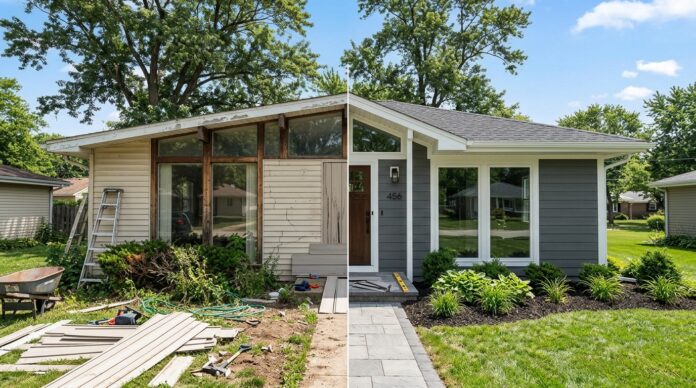
Owning a home brings a steady stream of responsibilities, opportunities, and decisions. Whether you have recently settled into a property or have lived in the same residence for decades, keeping a house comfortable and functional requires deliberate effort. Many homeowners find themselves torn between tackling overdue maintenance tasks and pursuing exciting design upgrades. Balancing these competing priorities is the key to creating a supportive, orderly domestic environment.
A thoughtful approach to home improvement focuses on preservation first, followed by meaningful enhancements that align with your daily routine. By establishing clear priorities, you can protect your living space against wear and tear while crafting an interior that truly serves your lifestyle. Here are practical strategies to guide your home care and renovation journey.
Evaluating Structural Integrity Before Aesthetic Changes
Before planning cosmetic renovations like repainting cabinets or replacing tile, conduct a thorough assessment of your home’s vital infrastructure. The primary structural components—the foundation, roof, plumbing lines, electrical wiring, and climate control equipment—form the backbone of any sound residence. Overlooking minor warning signs in these areas often leads to costly repairs later that can disrupt decorative work.
Take time to walk through the property with a critical eye. Look for hairline cracks along interior drywall, examine basement walls for dampness, and check around windows for drafty gaps or moisture accumulation. In attics and crawl spaces, check for proper insulation depth and adequate ventilation to prevent moisture buildup. Paying close attention to how water drains away from your exterior walls during heavy rainfall is equally important for preserving the foundation.
Developing this diagnostic mindset empowers you to make informed decisions about where to spend your energy and resources. For homeowners seeking to deepen their understanding of domestic mechanics and property evaluation, exploring dedicated guides on House Muscle provides reliable insights for identifying critical maintenance priorities. Addressing these structural fundamentals first ensures that any subsequent aesthetic updates rest on a stable, secure foundation.
Developing a Practical Seasonal Maintenance Schedule
Consistent, preventative maintenance is far more effective than reacting to sudden breakdowns. Homes experience varying levels of stress throughout different seasons, from freezing temperatures and heavy snow to blistering summer heat and sudden storms. Breaking your property care into manageable seasonal tasks prevents maintenance from becoming overwhelming.
A practical maintenance checklist should focus on areas that experience regular wear or exposure to weather. Focusing on a small set of essential tasks each quarter helps preserve the condition of your home:
- Inspect exterior weatherstripping around exterior doors and window frames.
- Clear fallen leaves and twigs from gutters, downspouts, and drainage basins.
- Check indoor air filters and test home safety alarms to ensure proper operation.
- Inspect visible plumbing lines under sinks and behind appliances for subtle leaks.
- Examine exterior caulking around siding joints, vents, and masonry transitions.
Completing these checks on a predictable schedule protects your property from water intrusion, pest entry, and unexpected equipment failures. Keeping a dedicated maintenance notebook or digital log allows you to track when filters were swapped, roofs were cleared, or equipment was serviced, establishing a clear record of your home’s care.
Aligning Interior Upgrades with Modern Lifestyle Needs
Once essential maintenance is under control, attention naturally shifts toward interior renovations that improve comfort and usability. Modern homes must accommodate a wide variety of activities, including remote work, cooking, fitness, and family gatherings. Rather than following transient decorative trends, plan improvements that solve specific daily friction points.
Consider how traffic flows through your main living areas. Cluttered entryways, inefficient kitchen workflows, and poorly lit hallways can create unnecessary daily stress. Simple structural adjustments—such as adding built-in storage near entryways, reconfiguring pantry shelving, or installing layered lighting in work areas—can dramatically enhance everyday comfort.
Living well in any residential setting relies on smart space management and disciplined domestic habits. Readers seeking inspiration on optimizing living zones and developing orderly routines can review everyday habits for comfortable modern apartment living to see how thoughtful organization transforms smaller and shared spaces. Applying these adaptable organizational principles to a single-family house creates a serene and practical domestic atmosphere.
Understanding Long-Term Value and Property Standards
Whenever you invest in property improvements, it is wise to consider how those updates affect the overall quality and appeal of the residence. While your primary goal should always be personal comfort, understanding modern residential standards ensures your choices remain practical and desirable for the future. Quality craftsmanship, durable materials, and timeless design elements tend to stand the test of time far better than novel fads.
When selecting materials for high-traffic areas like kitchens, bathrooms, and flooring, choose durable surfaces that resist moisture and daily wear. Natural stone, hardwood, ceramic tile, and solid wood cabinetry offer lasting durability and classic aesthetic appeal. High-efficiency fixtures, smart zoning for temperature control, and well-designed storage solutions are universally appreciated features that add genuine utility to any residential layout.
Gaining a clear sense of what defines an exceptional residential property can help you prioritize your long-term renovation goals. By consulting premier property resources like sinolandquality.com, homeowners can observe the design choices, architectural finishes, and layout considerations that characterize dream properties across the housing landscape. Using high-caliber benchmarks helps you refine your vision and select finishes that elevate your property’s enduring quality.
Budgeting and Managing Renovation Timelines Realistically
Renovation projects often expand in scope if they are not carefully managed from the start. Scope creep occurs when minor adjustments accumulate into major additions, leading to stretched budgets and extended construction timelines. Establishing clear project boundaries before picking up tools or hiring specialists protects your peace of mind.
Begin by outlining the exact scope of work for each project, separating essential elements from optional upgrades. If unforeseen issues arise behind walls or under flooring—such as outdated wiring or historic plumbing leaks—having a dedicated contingency reserve prevents sudden halts in progress. Tackle home improvements in distinct phases rather than attempting to renovate multiple primary rooms simultaneously, which minimizes domestic disruption.
Clear communication with contractors and service providers is essential for a smooth renovation experience. Request detailed written plans outlining the sequence of work, expected milestones, and material specifications. Taking a deliberate, phased approach allows you to assess the craftsmanship at every stage, adapt to unexpected challenges calmly, and maintain control over your domestic environment.
Creating a Sustainable Routine for Lasting Comfort
Caring for a home is an ongoing journey rather than a single destination. Properties require continuous attention, but maintaining and upgrading them should feel rewarding rather than burdensome. When you balance preventative structural maintenance with deliberate, high-quality interior upgrades, your home becomes a more reliable and enjoyable sanctuary.
By taking proactive steps to evaluate structural health, establishing seasonal checklists, and drawing inspiration from established housing standards, you cultivate a living environment that supports your well-being. A well-maintained home provides security, functionality, and enduring peace of mind for everyone under its roof.

