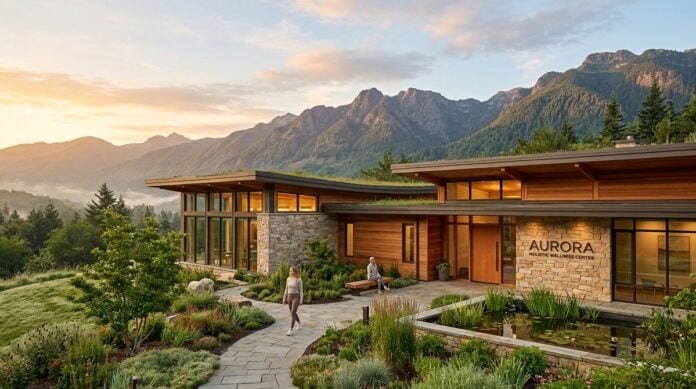
Modern living places immense demands on personal time and energy. As everyday routines become increasingly fast-paced and screen-focused, residents across diverse neighborhoods seek grounding spaces where physical activity, mental calm, and social connection meet. Establishing a neighborhood wellness center is an inspiring way to address this growing community desire. Unlike conventional athletic facilities that concentrate almost exclusively on repetitive workout machines, a dedicated wellness hub supports holistic personal care, sustainable movement, and meaningful relationships among local neighbors.
Bringing such a project to life requires thoughtful preparation, neighborhood awareness, and steady operational practices. When you design a facility centered on personal vitality and fellowship, you create an environment where individuals feel welcomed and motivated to maintain positive lifestyle habits. Cultivating this kind of local sanctuary demands a balance of functional space design, supportive programming, and dependable outreach.
Defining Your Core Philosophy and Neighborhood Needs
Every thriving community initiative begins with a clear mission. Before opening doors or acquiring equipment, take time to understand what local residents genuinely need. Some neighborhoods may lack quiet areas for mindful breathing and gentle mobility classes, while others might desire beginner-friendly strength workshops, posture clinics, or stress-reduction seminars. Engaging with neighbors through casual conversations or community boards helps you identify gaps in local health resources.
Understanding local schedules also shapes your calendar. If your area includes many commuters or remote workers, offering early morning movement or evening wind-down sessions helps people integrate healthy habits into busy days. Staying informed on emerging wellness concepts also helps organizers shape balanced offerings. Resources such as usamarketarea.com provide ongoing insight into physical fitness, preventative care, and daily wellness habits, making it easier to design programs that align with modern personal health priorities.
Once you understand neighborhood needs, establish a guiding philosophy that reflects your values. Whether your emphasis centers on accessible movement for all ages, mindful stress relief, or active recovery, clarity of purpose helps prospective members understand what sets your center apart. A cohesive philosophy also guides staffing decisions, ensuring that every instructor and team member shares a common vision of encouragement, patience, and mutual respect.
Creating an Inviting and Purposeful Physical Environment
The layout of a wellness center shapes member experiences from the moment someone steps inside. A cluttered room feels intimidating, whereas an open, tidy space immediately encourages relaxation. Prioritize natural lighting whenever possible, and ensure proper air circulation to keep studio areas fresh. Simple design choices, such as muted wall tones and wood accents, create an atmosphere of quiet renewal.
Acoustic management is another essential component of peaceful spatial design. Gentle sound-dampening panels, cork flooring, or soft textiles help minimize harsh echoes, allowing meditation, breathing exercises, and quiet discussions to take place without distraction. Even during active group sessions, thoughtful acoustic choices ensure that instruction remains clear and the atmosphere feels composed rather than frantic.
Functionality should always match comfort. Designate quiet transition zones where visitors can store personal belongings, remove outdoor footwear, and mentally decompress before beginning a session. Providing comfortable seating near the entrance encourages casual conversations before and after classes, transforming your facility into a warm community living room where lasting friendships naturally develop.
Cleanliness and order must remain central to daily routines. A pristine studio reflects respect for members and safeguards public health. Keep equipment organized in clearly designated storage areas, replenish cleaning supplies regularly, and establish consistent daily routines for sanitizing surfaces and airing out practice spaces between group gatherings.
Building Community and Expanding Your Digital Presence
Even the most welcoming physical space depends on clear communication to attract and support members. A straightforward website allows residents to explore your schedule, discover your philosophy, and reserve session spots without confusion. Having transparent schedules and simple booking systems reduces administrative friction and makes participation seamless for busy neighbors.
Cultivating an authentic online footprint involves sharing practical guidance, spotlighting community stories, and providing updates on upcoming events. When expanding your organization, turning to educational platforms like Go And Grow Online can help you develop essential digital communication skills, refine outreach strategies, and build a cohesive web presence that connects directly with your intended audience.
Digital channels should always serve your offline mission. Use email updates and social announcements to educate members on healthy habits rather than constantly broadcasting promotional messages. Sharing tips on posture, gentle stretches, or hydration keeps members engaged throughout the week and reinforces your role as a trusted wellness resource in the neighborhood.
Developing Structured Programs and Sustainable Operations
Carefully structured programming gives members a clear path toward personal improvement while providing operational predictability for your space. Offer a logical progression of introductory classes, regular sessions, and specialized workshops so newcomers feel supported rather than overwhelmed. A predictable weekly rhythm allows participants to weave regular attendance into their everyday family and work routines.
To maintain balance and long-term interest among your members, consider incorporating several core elements into your calendar:
- Introductory sessions designed specifically for hesitant beginners
- Consistent class schedules that accommodate diverse working hours
- Focused weekend workshops on stress reduction and functional movement
- Regular listening forums to gather direct feedback from participants
Smooth daily operations depend on dependable organizational systems. Establishing standard procedures for scheduling and facility maintenance prevents burnout. For founders who prefer refreshing an existing enterprise rather than starting from scratch, following clear frameworks for buying and revitalizing a local business provides valuable perspective on updating equipment, retaining patrons, and aligning operations with modern standards.
Financial discipline is equally essential for long-term endurance. Keep overhead manageable by investing in durable, multipurpose equipment rather than expensive novelty machines. Focus your resources on clean facilities, skilled instructors, and welcoming communal areas, which contribute far more to member satisfaction and ongoing attendance than complicated gadgets.
Fostering Long-Term Member Engagement and Retention
Long-term sustainability relies far more on retaining dedicated members than on constantly chasing new sign-ups. When people feel seen, supported, and appreciated, they remain committed to their wellness routines. Train your team to greet members by name, listen attentively to their goals, and celebrate personal consistency rather than competitive performance.
Encouraging peer support strengthens retention even further. Host informal gatherings, seasonal wellness walks, or community charity initiatives that allow members to interact outside structured sessions. These shared experiences turn individual wellness journeys into collective milestones, anchoring your center as a vital social pillar within the wider neighborhood.
Cultivating a community wellness center is an ongoing endeavor that requires patience, genuine empathy, and consistent dedication. By prioritizing personal well-being, maintaining an inviting physical space, and nurturing meaningful local relationships, you create a lasting resource that enriches the lives of your neighbors for many seasons to come.

