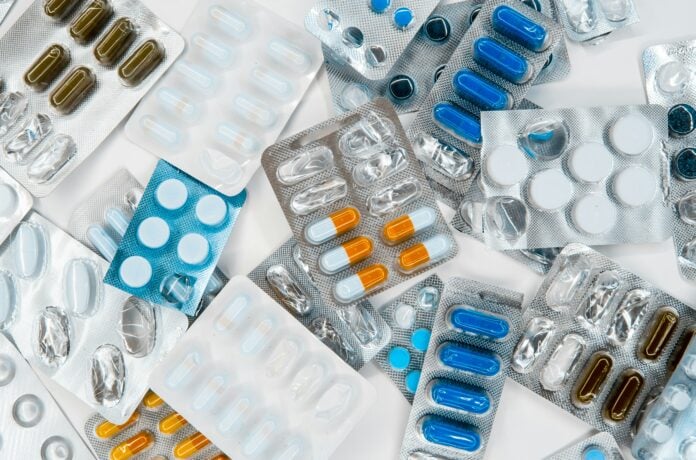
When a patient takes a new medication, they aren’t just hoping it cures their illness; they’re counting on it to improve their overall day-to-day life. That trust relies on a rigorous background process known as pharmacovigilance. It’s the science of monitoring, evaluating, and preventing adverse effects from pharmaceutical products. For decades, this process was slow and relied on physical paperwork. Today, modern technology completely transforms how we track drug safety. It’s no longer just about catching dangerous side effects. It’s about optimizing treatments so patients feel their best.
Documenting these findings is a huge task, and pharmaceutical companies frequently rely on a professional medical writing service to clearly communicate critical safety data to regulatory boards. Through the smart application of software, data analytics, and continuous monitoring, the healthcare industry responds to potential risks faster than ever. Let’s look at how technology and pharmacovigilance work together to directly improve patient outcomes.
Finding Patterns in the Noise
In the past, tracking an adverse drug reaction required a patient to tell their doctor, who then filled out a form, which was eventually mailed or faxed to a regulatory agency. By the time someone noticed a pattern, months might have passed. Patients suffered through uncomfortable side effects because the data simply wasn’t moving fast enough. Technology changes that entire timeline.
Now, algorithms and artificial intelligence sort through vast information in real time. When thousands of people report feeling dizzy after taking a specific blood pressure pill, advanced software spots the trend almost instantly. These systems analyze electronic health records, online reporting portals, and even social media discussions to identify potential safety signals. Because the technology flags these issues early, pharmaceutical companies can update dosing guidelines or issue warnings right away. For a patient, this means they don’t endure prolonged discomfort. Their doctor receives the updated safety profile and quickly adjusts their prescription, bringing immediate relief and a better quality of life.
The Rise of Wearable Health Tech
We can’t talk about modern drug safety without mentioning consumer technology. Smartwatches, fitness trackers, and smartphone health apps aren’t just for counting steps anymore. They’re vital tools for monitoring how a patient’s body reacts to a new treatment.
Imagine a patient starting a new asthma medication. In the past, they’d try to remember how they felt over three months before their next checkup. Today, their wearable device tracks their resting heart rate, sleep quality, and blood oxygen levels every single day. If the new medication causes their heart rate to spike while they’re sleeping, the device records it. Patients can share this concrete data directly with their healthcare providers.
This continuous stream of information bridges the gap between clinical trials and real-world application. Clinical trials happen in highly controlled environments, but real life is unpredictable. Wearables show exactly how a drug performs when a patient lives their normal life. When pharmacovigilance teams receive this anonymous, aggregated data, they gain a much clearer understanding of how a medication impacts daily well-being. It allows them to refine the drug’s safety profile, ensuring future patients won’t face those same hidden side effects.
Empowering Patients Through Direct Reporting
Historically, patients felt disconnected from the drug safety process. If a medication made them nauseous or lethargic, they usually just stopped taking it and threw the bottle away. The manufacturer never found out why the treatment failed.
Technology gives patients a direct voice. Mobile apps and web-based portals allow individuals to report their own side effects quickly and easily. They don’t need to wait for a doctor’s appointment to make their experience known. This direct-to-consumer reporting is a crucial component of modern pharmacovigilance. It captures the subtle side effects that might not be life-threatening but still ruin a patient’s day. For example, a medication might cure a skin rash, but if it causes severe fatigue, the patient’s quality of life plummets.
By utilizing user-friendly reporting apps, pharmaceutical teams gather these subjective experiences. When they see a high volume of fatigue reports, they investigate further. They might discover that taking the pill at night instead of the morning completely resolves the issue. That simple, data-driven adjustment drastically improves the daily lives of everyone taking that medication.
Better Communication Leads to Better Care
Collecting data is only half the battle. The other half involves getting that information to the people who need it. Pharmacovigilance teams rely on secure, cloud-based networks to share safety updates globally. If a clinic in Europe discovers a rare interaction between two common medications, doctors in the United States need to know about it before they write their next prescription.
Modern databases ensure this information flows seamlessly across borders. When a doctor pulls up a patient’s electronic medical record, the system automatically cross-references their current prescriptions with the latest global safety data. If there’s a potential risk, the computer alerts the physician before the patient even leaves the exam room.
This interconnected web of information removes the guesswork from prescribing medications. Patients don’t have to act as guinea pigs, hoping their pill combination is safe. They can leave the clinic with confidence, knowing their treatment plan is backed by real-time, global safety monitoring.
Looking Ahead to a Safer Future
The relationship between healthcare technology and drug safety will only grow stronger in the coming years. We’re moving toward a future where predictive analytics won’t just track side effects; they’ll anticipate them. By analyzing genetic markers alongside historical safety data, software could soon tell a doctor which specific patients are most likely to experience a bad reaction before a drug is ever prescribed.
At its core, pharmacovigilance is about protecting people. While the medical science behind developing new drugs is incredible, the ongoing effort to keep those drugs safe is just as important. By integrating advanced technology into the monitoring process, the medical community ensures treatments do exactly what they’re supposed to do. The ultimate goal isn’t just surviving a medical condition, but truly thriving and enjoying a high quality of life despite it.

