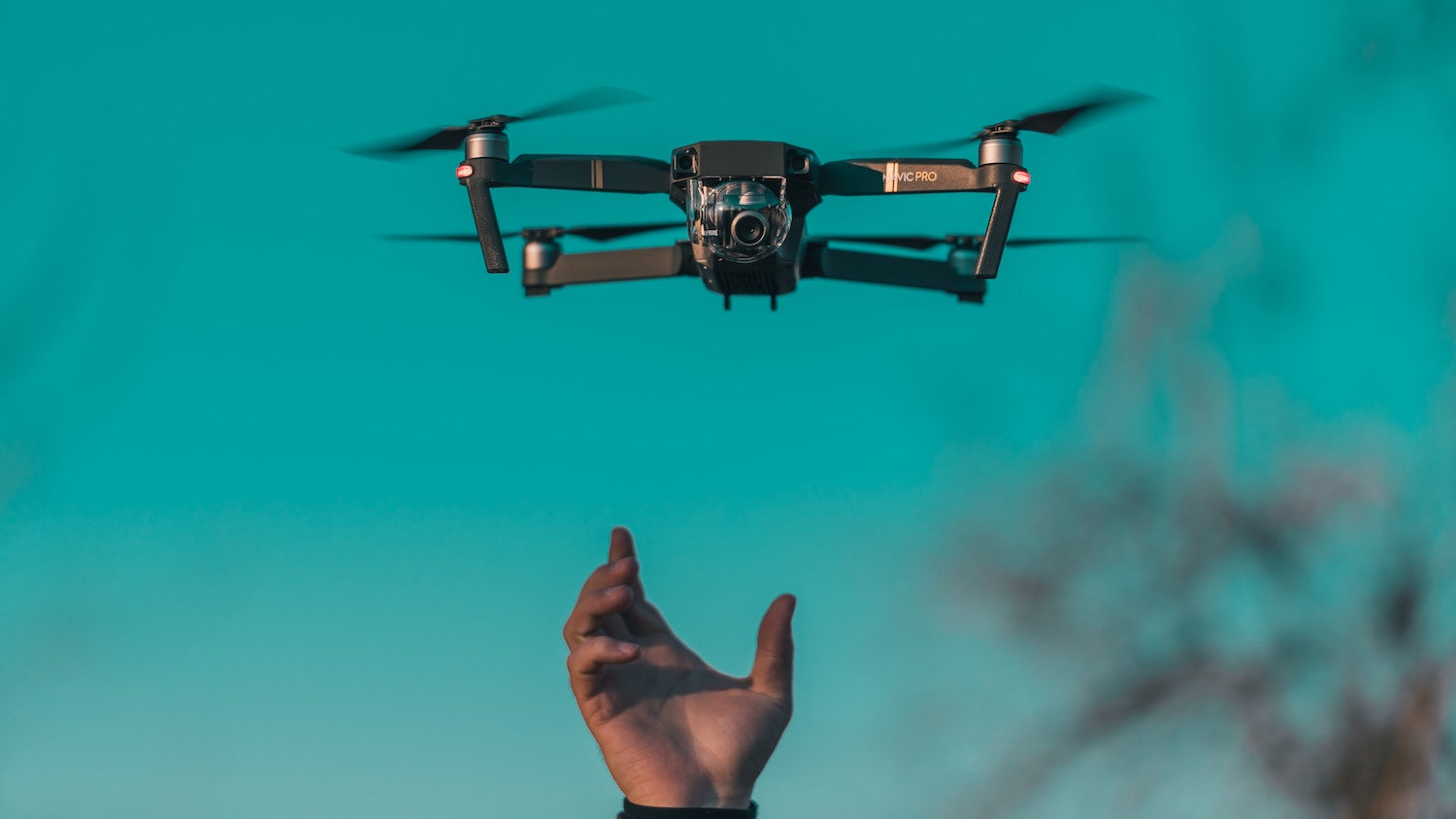
In times of emergencies and natural disasters, every second counts. The ability to swiftly assess the situation, locate survivors, and manage resources efficiently can mean the difference between life and death. With the advent of Unmanned Aerial Systems (UAS), also known as drones, a new era in emergency response and disaster management has emerged. These versatile and agile devices have proven to be game-changers, offering unprecedented advantages in saving lives and optimizing resource allocation. In this blog, we will explore the significant role UAS plays in emergency response and disaster management, along with its remarkable impact on saving lives and conserving resources.
UAS in Emergency Response: A Game-Changing Technology
The use of UAS in emergency response has revolutionized the way first responders and relief teams tackle crises. With their rapid deployment and mobility, UAS provide a bird’s-eye view of the affected areas, allowing for real-time aerial surveillance and situational awareness. This invaluable information enables responders to make informed decisions, prioritize rescue efforts, and allocate resources efficiently. UAS are also equipped with high-resolution cameras and thermal imaging sensors, enabling search and rescue teams to locate survivors even in the most challenging terrains and conditions. Numerous success stories showcase the effectiveness of UAS in emergency response, such as their utilization during hurricane responses, wildfire management, and urban search operations following earthquakes.
The Unauthorized Use of UAS in Natural Disasters
In natural disasters, the unauthorized use of Unmanned Aerial Systems (UAS) by civilians can pose significant challenges to emergency response efforts. While UAS can be valuable tools in disaster management, uncontrolled and unauthorized drone flights can interfere with official operations, compromise the safety of responders and survivors, and hinder airspace management. To mitigate this risk, Counter-Unmanned Aerial Systems (C-UAS) technology has emerged. C-UAS systems are designed to detect, track, and neutralize unauthorized drones within a designated airspace. These systems employ various methods such as radar, radio frequency detection, and optical sensors to identify and assess potential threats posed by unauthorized UAS. By effectively detecting and neutralizing unauthorized drones, C-UAS technology plays a crucial role in ensuring the integrity and safety of disaster response operations, enabling responders to carry out their duties without disruptions or additional risks.
UAS Applications in Disaster Management
Beyond emergency response, UAS also play a crucial role in disaster management before and after an event. Prior to disasters, UAS can be used for pre-disaster planning and risk assessment. By mapping and collecting data on hazardous areas, UAS assist in identifying potential risks and designing effective mitigation strategies. They also contribute to predictive modeling and simulation, aiding in understanding the potential impact of various disaster scenarios. After a disaster strikes, UAS excel in post-disaster assessment and damage estimation. By conducting rapid damage assessments and evaluating infrastructure integrity, UAS help determine the extent of devastation and guide recovery efforts. Furthermore, UAS provide critical support in resource management and logistics by delivering supplies to affected areas and monitoring relief operations.
Challenges and Limitations of UAS in Emergency Response
While UAS offer tremendous advantages, several challenges and limitations need to be addressed for their effective integration into emergency response systems. Regulatory and legal considerations are essential to ensure safe and responsible UAS operations. Striking a balance between privacy concerns and the need for timely information is another challenge that must be carefully navigated. Technical constraints, such as limited flight endurance and payload capacity, can restrict the full potential of UAS in certain scenarios. Additionally, the training of personnel and seamless integration of UAS into existing emergency response protocols require careful planning and coordination.
Future Trends and Developments in UAS for Emergency Response
The future of UAS in emergency response holds immense promise. Ongoing advancements in UAS technology are enhancing their capabilities, such as increased flight endurance, improved payload capacity, and enhanced autonomous features. Furthermore, the integration of UAS with other emerging technologies, such as Artificial Intelligence (AI) and the Internet of Things (IoT), will unlock new possibilities in data analysis, real-time decision-making, and coordinated response efforts. Collaborative efforts and partnerships between government agencies, private companies, and research institutions are fostering innovation and pushing the boundaries of UAS applications in emergency response. The potential impact of UAS on the field of emergency response practices is staggering, paving the way for more efficient and effective crisis management.
Conclusion
Unmanned Aerial Systems have emerged as invaluable tools in emergency response and disaster management, offering unprecedented capabilities and advantages. From their rapid deployment and aerial surveillance to search and rescue operations, UAS have proven their worth in saving lives and optimizing resource allocation. They play a vital role in pre-disaster planning, post-disaster assessment, and logistics support, assisting in every phase of crisis management. However, addressing regulatory challenges, technical limitations, and ethical concerns remains crucial for their widespread adoption. As UAS technology continues to evolve and collaborative efforts drive innovation, the future holds great potential for these aerial systems to redefine emergency response practices, ultimately leading to more lives saved and resources conserved in times of crisis. It is imperative that we continue to explore and harness the power of UAS in emergency response, ensuring a safer and more resilient future for communities worldwide.

