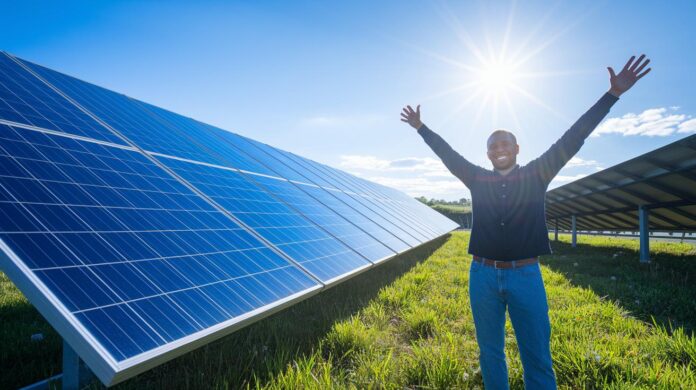
Ever wonder if renewable energy can brighten our future and add a little joy to our everyday lives? Today, more than 30% of the world's power comes from clean sources, showing how quickly we’re moving away from outdated energy options.
New solar designs and smarter wind turbines, devices that capture energy from the sun and wind, make it easier than ever to harness nature’s power. Plus, cool marine innovations are adding an exciting twist to the mix.
In this chat, we'll dive into how breakthrough tech in renewable energy is reshaping our homes and lives, paving the way to a brighter and safer world. Isn't it amazing to think how every new gadget and idea might just change the way we live?
Definitive Overview of Breakthrough Tech Innovations in Renewable Energy
Renewable energy now powers over 30% of the world's electricity in 2024, and it's a pretty clear sign that sustainable energy is on the rise. Experts say we might soon see renewables outpacing coal as our main power source. Solar technology, for instance, is really setting the pace right now. Thanks to new design tools, planning a solar site is as simple as picking the best spot and getting instant energy forecasts, much faster than the old-school methods.
Wind and marine technologies are also making major leaps. Advances in turbine design mean we can capture more wind energy, while tidal and river-current devices are proving to be strong players in watery environments. Hydro and geothermal systems stick to delivering steady, reliable power, and they even help with things like flood control and irrigation.
The move to renewable energy isn't just about tech, it’s about building a brighter future. It boosts energy security, sparks economic growth, and even improves public health. With smarter grid integration and energy management systems balancing supply and demand, these innovations in solar, wind, marine, and geothermal power are really setting the stage for a resilient, efficient future. It’s an exciting time for tech enthusiasts and energy pros alike!
Pioneering Solar Panel and Photovoltaic Innovations in Renewable Energy

Solar tech has come a long way, almost like watching a digital upgrade in real time. Perovskite solar cells, for instance, have soared in performance, from a humble 3% efficiency back in 2009 to over 25% today. And then there are tandem perovskite-silicon stacks, which now push past 30% efficiency. It’s like mixing new ideas with trusted methods to create something that really sings, almost like nailing the perfect chord in your favorite song.
Bifacial panels take innovation even further. These clever panels catch not just the direct sunlight, but also the light bouncing off nearby surfaces. In some settings, that extra boost can up the power output by about 30%, imagine finding a little bonus in your daily routine that makes everything run smoother. And then there are floatovoltaics, where panels float on water, enjoying a natural cooling effect that can improve efficiency by roughly 15% and reduce land worries.
Advanced planning tools are reshaping how projects are done, too. These smart digital tools cut down site evaluation times from weeks to just minutes. By providing precise yield projections and cost estimates, they help renewable energy experts fine-tune every detail, bridging the gap between cool designs and real-world performance.
Innovative engineering is at the heart of it all. With each test, adjustment, and moment of real-time data insight, these digital solutions turn sunlight into real progress worldwide. Isn’t it amazing how technology and nature work together to light up our future?
Breakthrough Wind Turbine and Ocean Energy Innovations in Renewable Energy
Floating offshore wind platforms are now letting us reach deeper waters where winds blow stronger and steadier. Designers are moving installations away from shallow regions to capture the reliable, high-altitude breezes, almost like discovering a hidden reserve of constant power no matter the season.
Engineers have improved turbine blade designs in exciting ways. They’ve widened the swept area and fine-tuned the blade shape so these turbines catch more wind and convert it into electricity more effectively. This upgrade can boost a turbine’s output by up to 20%, kind of like giving your favorite device a speed boost without any extra hassle.
Marine energy technology is making rapid strides as well. Tidal stream generators, which work by using the natural rhythm of the tides, are on track to possibly supply 10% of Europe’s electricity by 2050. These systems use the gentle, predictable motion of water to create clean power, blending nature with smart innovation.
Innovations in river-current turbines and devices that harness swirling water are also emerging. These setups use the natural flow in rivers and canals to generate energy without disturbing the environment much. Key breakthroughs include:
- Floating offshore platforms that make the most of powerful, consistent winds.
- New blade designs that increase energy capture by up to 20%.
- Tidal stream generators set to play a major role in Europe’s future power mix.
- River-current and vortex systems that offer an eco-friendly way to turn water flow into electricity.
Advancements in Biofuel, Green Hydrogen, and Geothermal Technologies for Renewable Energy
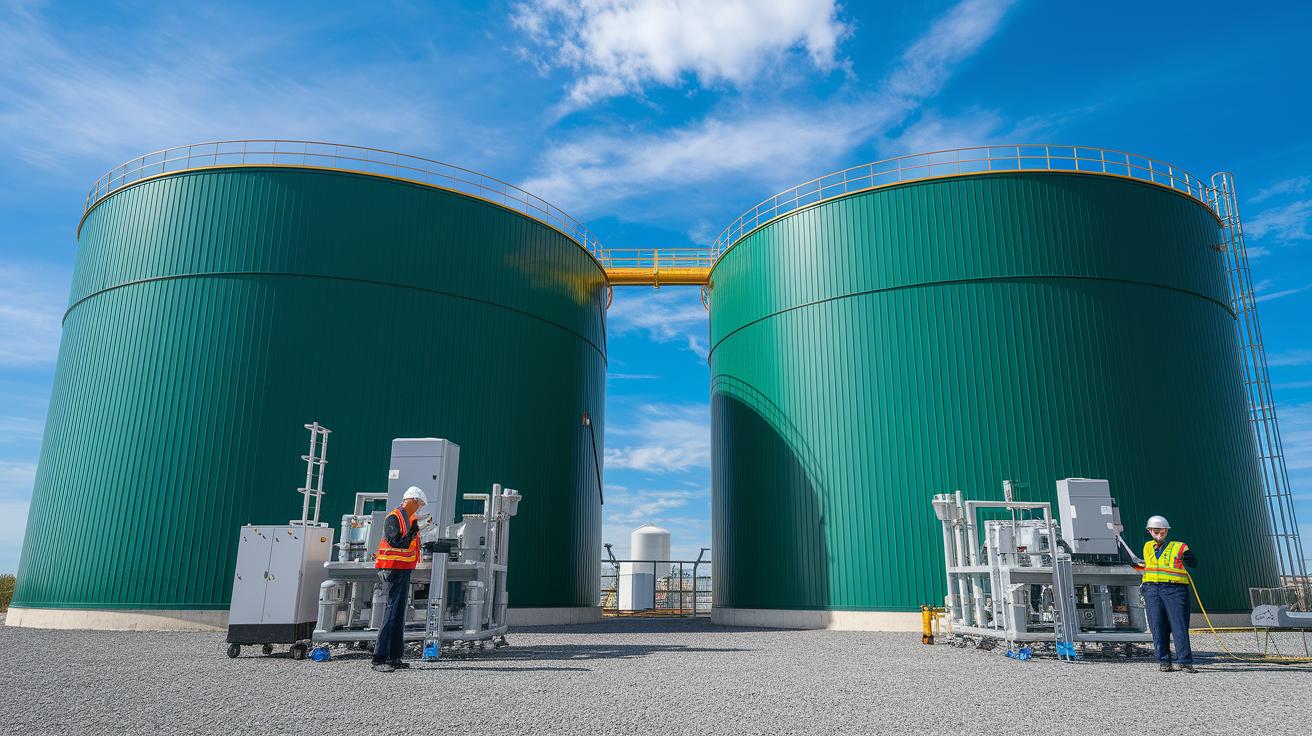
Biofuels are getting a serious upgrade. New second- and third-generation biofuels convert natural leftovers like crop residues and algae into energy with over 60% efficiency. Imagine watching scraps turn into fuel almost as effortlessly as turning sunlight into power. It’s a true game changer in how we make energy.
Green hydrogen is on the rise too. Made by splitting water using renewable energy (electrolysis breaks water into hydrogen and oxygen), it’s paving the way as a zero-carbon fuel. Picture using clean power to break water into tiny fuel pieces that could eventually replace fossil fuels in heavy-duty industries. And with the European Union aiming for 40 GW of electrolyser capacity by 2030, we might soon see a major shift in sectors that are hard to decarbonize.
Let’s talk geothermal. Modern heat exchangers and deep-borehole systems tap into the Earth’s own warmth, providing a steady, reliable power source. Think of it as the planet’s secret battery, a constant, underground heat source delivering energy no matter the weather or time of day.
Then there’s organic waste processors. By converting everyday agricultural and city leftovers into fuel, these systems hit yields over 70%. It’s like turning trash into treasure, cutting down waste and reducing our reliance on old-school energy sources.
Some cool innovations in play:
- Super-efficient biofuel conversion.
- Rapid growth of green hydrogen through renewable-powered water splitting.
- Constant, reliable power from smart geothermal systems.
- High-yield fuel production from waste processors that transform scraps into energy.
Innovative Energy Storage and Digital Grid Solutions for Renewable Energy
Battery breakthroughs are powering new ways to store and share energy. New battery types, like solid-state, flow, and thermal systems, pack more energy and stick around longer than old lithium-ion models. It’s like having an all-day, all-night battery that keeps communities lit and lively.
Take lithium-iron phosphate (LFP) battery storage as a solid example. These LFP systems have a cool way of managing heat and can last over 15 years, making them a super reliable buddy for renewable grids. For instance, tests have shown that even when pushed hard, an LFP system keeps the power flowing steadily.
Digital grid management is getting a serious upgrade with AI-powered digital twins. A digital twin is a virtual copy of the grid that uses live data and simulations to predict what’s coming next, helping operators fine-tune the voltage automatically. Imagine a digital monitor that watches every energy beat and instantly lets the team know when to adjust the supply.
Behind the scenes, machine learning tools work quietly to study incoming data and improve energy dispatch strategies. They learn from each moment, guiding power right where it’s needed, like a smart conductor leading an orchestra. Plus, smart network integration connects all these parts, turning scattered data into one smooth, responsive system.
And now, smart-grid platforms are adding a blockchain twist to manage energy in a decentralized way. Blockchain, a secure digital ledger that everyone can trust, lets people trade energy directly. This spreads out decision-making across the grid, making the whole system flexible enough to handle sudden surges in demand.
Key improvements include:
- Better load forecasting and steadier voltage control.
- Longer battery life through robust LFP systems.
- Decentralized energy trading that boosts system resilience.
- Smarter dispatch strategies powered by real-time machine learning.
Final Words
In the action, we've traced the pulse of breakthrough renewable energy, from sky-high solar panels and robust wind power to smart battery systems and digital grids. Each section highlighted fresh prospects and real-world improvements that make clean energy more accessible and dynamic. It’s exciting to see how these breakthroughs shape daily work and boost conversations about tech growth. With a spirit of innovation, we look ahead to more tech breakthrough innovations in renewable energy.
FAQ
What are the top 10 tech breakthrough innovations in renewable energy?
The top 10 tech breakthrough innovations review advances in solar, wind, marine, biofuel, and storage by improving efficiency, integration, and planning speed—helping modern renewables deliver cleaner, reliable power.
How have tech breakthrough innovations from 2022 improved renewable energy?
Tech breakthrough innovations in 2022 include improved solar cell efficiency, floating solar farms, refined wind turbine designs, and AI-enhanced grid management that collectively boost renewable generation and system reliability.
What renewable energy innovations can we expect in 2024 and the future?
In 2024 and beyond, innovations focus on AI-optimized grid systems, advanced battery storages, new turbine designs, and streamlined planning software while addressing challenges such as grid integration and evolving policy requirements.
What are some examples of renewable energy technologies and emerging trends?
Examples include bifacial solar panels, floating wind platforms, solid-state batteries, green hydrogen production, and digital grid optimization—each reshaping how renewable energy is generated, stored, and managed.
What is the latest innovation in renewable energy?
The latest innovation centers on smart-grid platforms that use blockchain and AI to optimize energy trading, manage load, and boost the reliability of decentralised renewable power systems.
What is the next big thing in renewable energy?
The next big thing involves combining AI-driven digital twins, advanced battery technologies, and faster planning software to accelerate project rollout and improve the effectiveness of renewable energy storage.
How has technology improved renewable energy?
Technology has improved renewable energy by increasing system efficiency through novel solar materials, refining wind turbine designs, optimizing grid operations with AI, and reducing project planning time with advanced software tools.
What is the fastest growing renewable power technology?
Wind energy, especially using offshore platforms and innovative turbine blade designs, is emerging as the fastest growing renewable technology as it leverages stronger winds to drive higher power outputs.

