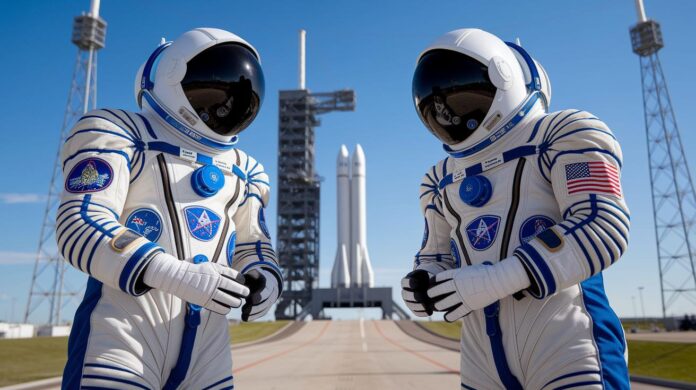
Ever wonder how it feels to watch a rocket burst to life with real raw power? SpaceX is gearing up for the Crew-9 launch, backed by smart technology and perfect timing. On September 28, the Dragon capsule Freedom will carry astronauts on a six-month trip to the International Space Station. This mission sets the stage for new space experiments and a fresh mix of crew members. It’s a shining example of careful planning and technical innovation that’s sure to get everyone excited.
Crew-9 Launch Overview: Timing, Mission Scope, and Crew Composition
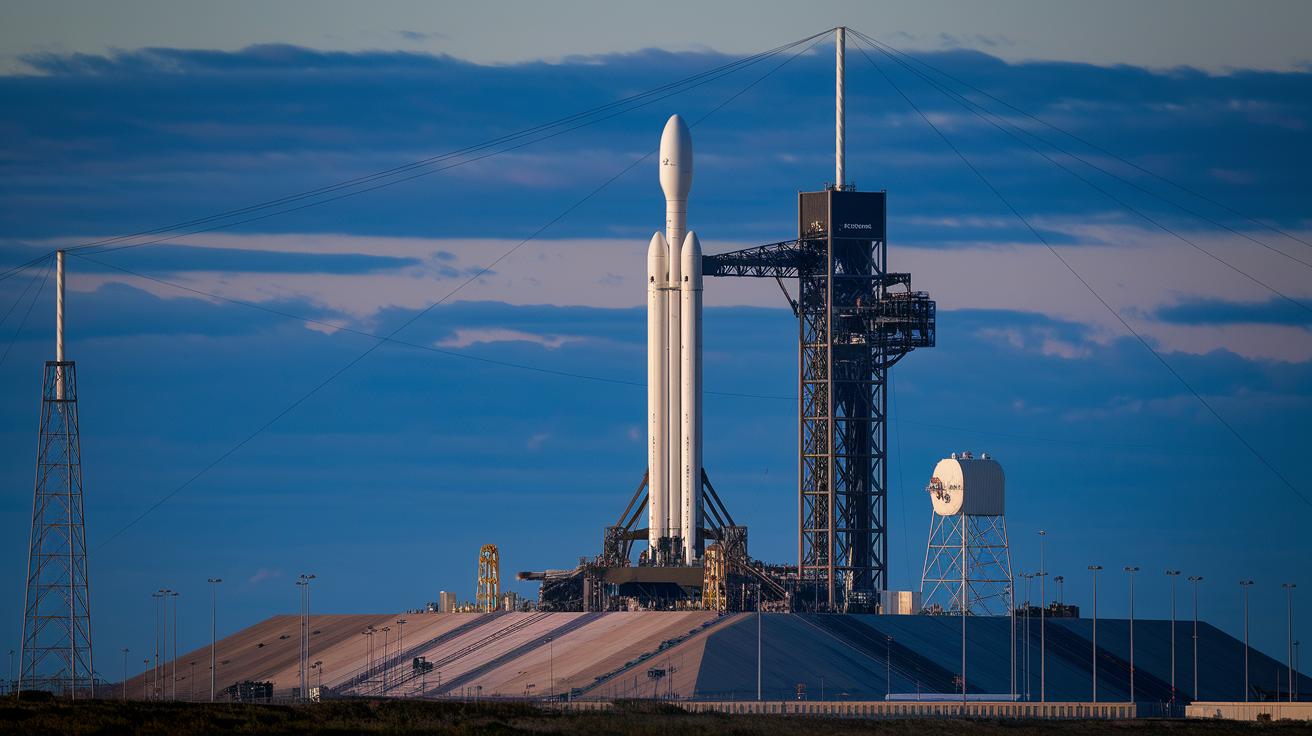
SpaceX is gearing up for the Crew-9 launch on September 28 at 1:17 p.m. EDT (17:17 UTC) from SLC-40 at Cape Canaveral Space Force Station. The liftoff features the Dragon capsule Freedom, which will be home to two astronauts during their six-month mission on the International Space Station, with two extra seats saved for Boeing Crew Flight Test astronauts like Butch Wilmore. This thoughtful crew mix shows a smart evolution in both who’s on board and the way launch pads are used.
It’s kind of like watching a perfectly choreographed digital dance. Every moment of the countdown is planned with care, just like a well-tuned interface where every click and hum leads to a grand reveal. Ever wonder how it feels when the engines roar to life? That’s the energy behind each precision check and timing decision.
But the mission isn’t just about liftoff. It’s about rolling out new layers of launch tech and nailing down every little detail for a smooth ride from start to finish. Every component, from the Dragon capsule’s savvy avionics to the life-support systems that keep our astronauts safe, gets the rock-solid attention it deserves. Those reserved seats for the upcoming Boeing Flight Test crew are a clear nod to a broader strategy that marries today’s goals with tomorrow’s opportunities.
From the initial prelaunch briefings to the final burst of rocket power, every step of this journey shows SpaceX’s commitment to creating a safe, efficient, and innovative crewed flight experience.
Crew-9 Mission Objectives and Payload Specifications
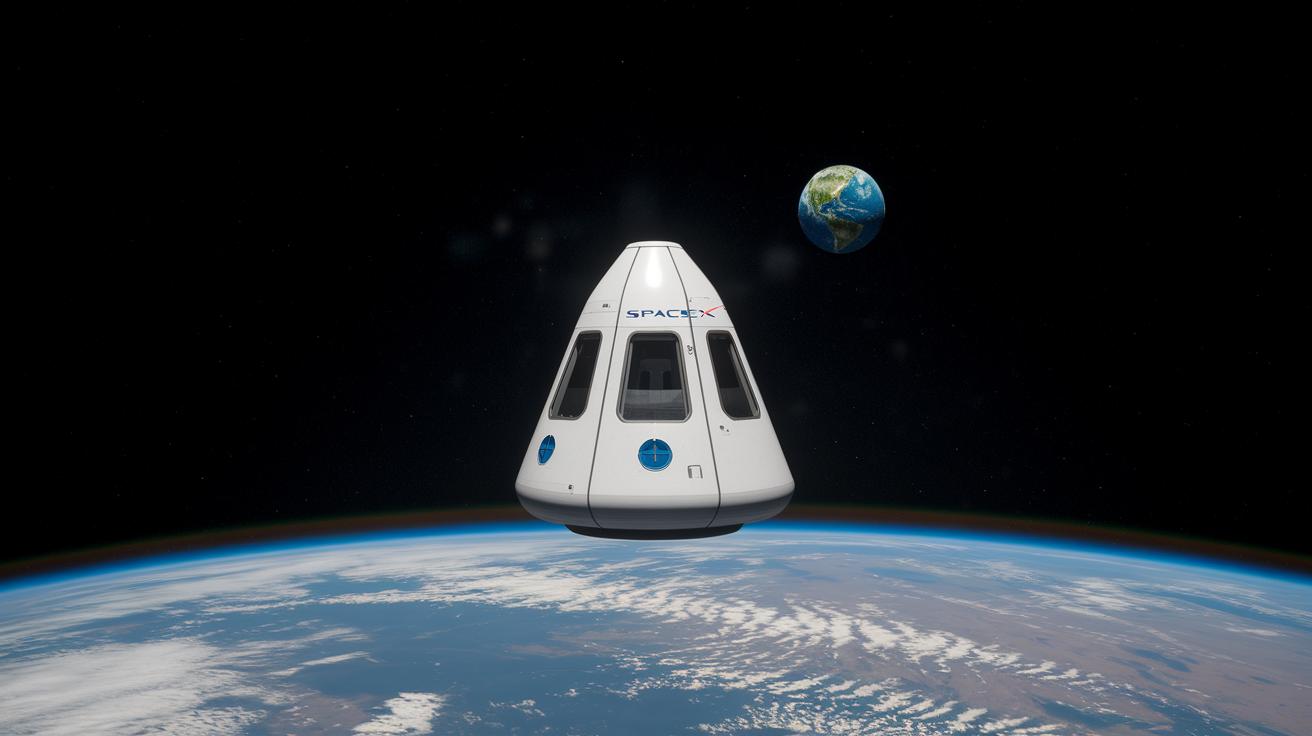
SpaceX’s Crew-9 mission is gearing up to spark a bunch of cool experiments on the International Space Station. They’re resupplying the station with much-needed essentials, swapping in shiny new science racks, and running microgravity experiments that could really change the game. It’s all about making life aboard the ISS better while gathering data that’ll power future space adventures.
The Freedom capsule is packed with a mix of payloads, kind of like each piece in your favorite tech gadget working together. Inside, you’ll find everyday essentials for the crew, advanced scientific hardware (fancy tools that help us understand space better), and spare parts for the station. Think of it as building a high-performance computer, each part matters and contributes to the overall efficiency.
Ever imagine tuning into a live 4K video stream straight from orbit? That’s a glimpse into their approach. With high-definition videos and Earth-observation tools, SpaceX is putting you in the front row for every experiment and spacewalk. Every pixel brings you closer to the wonders of space science.
Key payload elements include:
| Payload Element | Description |
|---|---|
| Crew Provisions | Everyday supplies to keep the crew energized |
| Scientific Hardware | Advanced equipment to study microgravity effects |
| Station Spares | Extra parts to ensure smooth operations on the ISS |
Each of these payload items works together with the mission’s goals, making sure that every experiment pushes our understanding of life in space just a little further. Isn't it cool how every component plays its part in this stellar journey?
Crew-9 Astronaut Selection and Training Insights
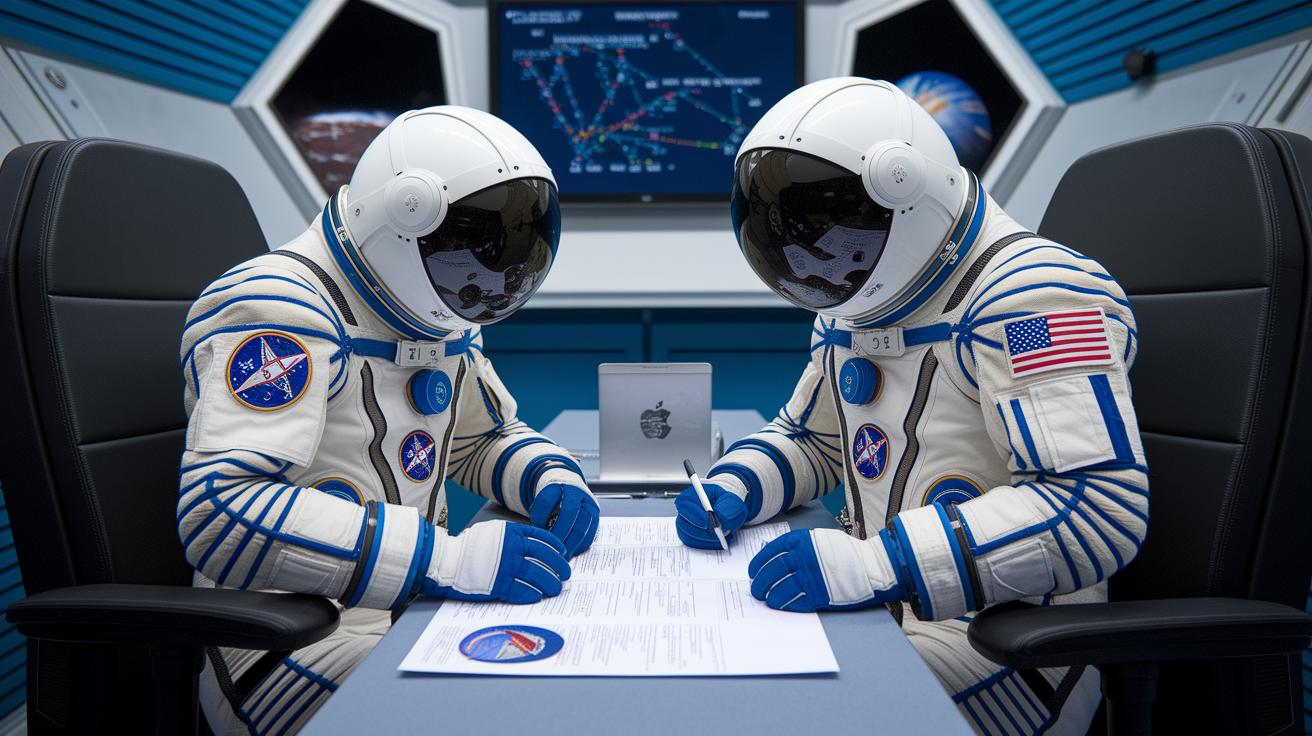
SpaceX handpicked a small crew for this mission, choosing only two astronauts while keeping two seats open for future Boeing Crew Flight Test participants like Butch Wilmore. They reviewed each candidate’s background and how they performed in simulations to make sure everyone boarding the Dragon capsule was ready for a six-month stay on the ISS.
A key moment happened during a pre-mission briefing at Kennedy Space Center on September 27 at 5 p.m. EDT. Think of it like a team huddle before a big game, where every detail is checked and all possible scenarios planned out. The team talked about everyday operations, what to do if something goes wrong, and the exact steps for docking. This meeting really set the stage for what lies ahead.
In training sessions, the crew dove into hands-on drills covering ISS systems, emergency steps, and docking practices. Imagine rehearsing a play until every cue feels natural. These sessions not only sharpened their technical skills but also built the trust and teamwork needed for a smooth mission.
Countdown and Launch Day Timeline for Crew-9
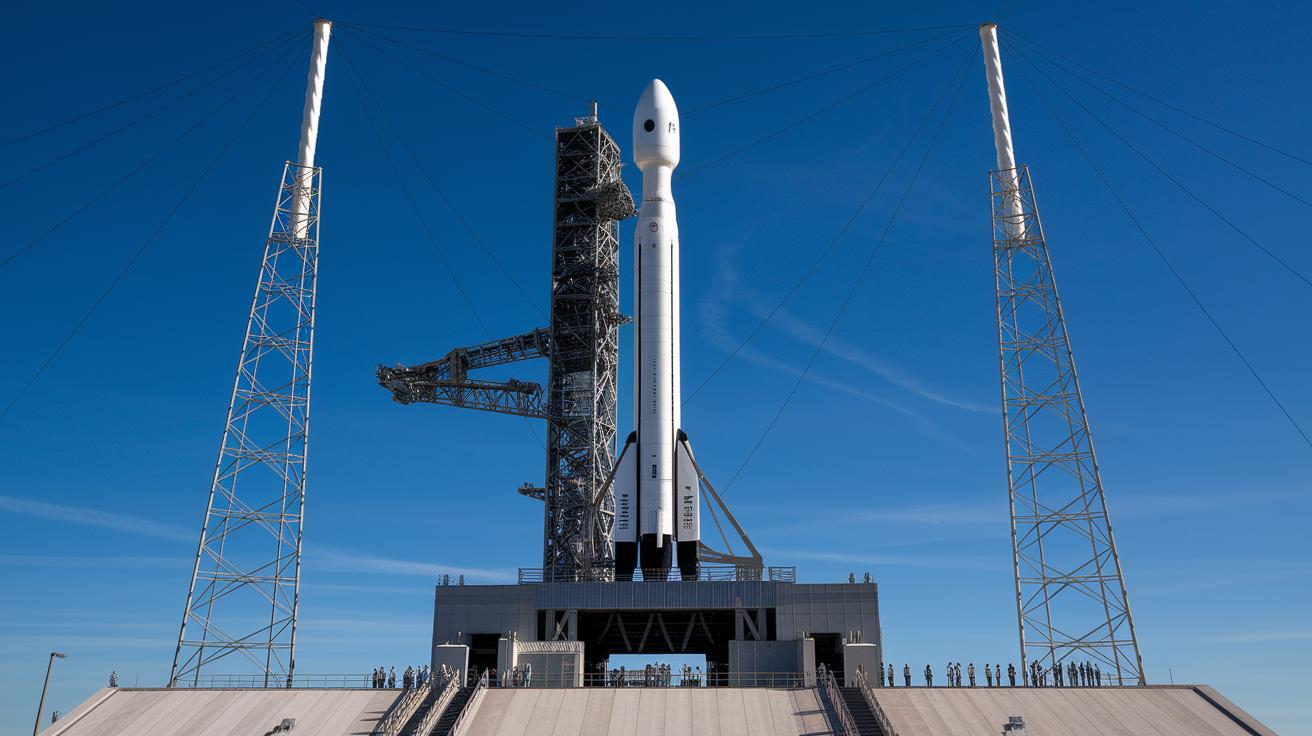
SpaceX’s Crew-9 countdown is a thrilling ride that sparks excitement among tech enthusiasts. On September 27 at 5 p.m. EDT, the Kennedy Space Center lights up with a prelaunch press conference. Mission planners and experts share final technical details, giving us a sneak peek at what’s coming up. It’s like watching the checklist of a high-tech wonder in action.
Then on September 28, the day starts early with live updates at 9:10 a.m. EDT. Imagine the soft hum of servers as every detail is broadcast live. The countdown builds up until Falcon 9 roars to life at 1:17 p.m. EDT from SLC-40 at Cape Canaveral Space Force Station, a key moment that marks a new phase in pad operations. And by 3:00 p.m. EDT, a post-launch briefing fills in the latest insights and happenings.
| Time & Date | Event |
|---|---|
| September 27, 5 p.m. EDT | Prelaunch press conference at Kennedy Space Center |
| September 28, 9:10 a.m. EDT | Live updates begin |
| September 28, 1:17 p.m. EDT | Falcon 9 liftoff from SLC-40 |
| September 28, 3:00 p.m. EDT | Post-launch press briefing |
spacex crew-9 launch: Thrilling Mission Ahead

The Crew-9 mission rides on the proven Falcon 9 booster built with the advanced Block 5 design. This booster has flown many successful missions and is known for its strong performance and reliable reuse. Its Merlin engines, which power the vehicle, give just the right thrust and efficiency at every stage of the flight.
This launch is also the first crewed takeoff from SLC-40 using the new pad operations. This change makes ground work smoother and shows off the finely honed engineering that SpaceX has come to be known for. Imagine a setup where every part works together like the components in your favorite gadget, with sensors, circuits, and valves all doing their part.
Crew Dragon Freedom, the spacecraft for this mission, is just as impressive. Its modern avionics (smart sensors and real-time control systems that work like a digital dashboard) make sure everything runs smoothly during flight. A solid life-support system keeps the crew safe on their six-month journey, while the heat-shield is built to handle the intense heat of re-entry and prep the spacecraft for its next challenge.
Think of it like your smartphone’s engine: every single part is carefully tuned for peak performance.
Crew-9 Flight Trajectory and Orbital Insertion Maneuvers
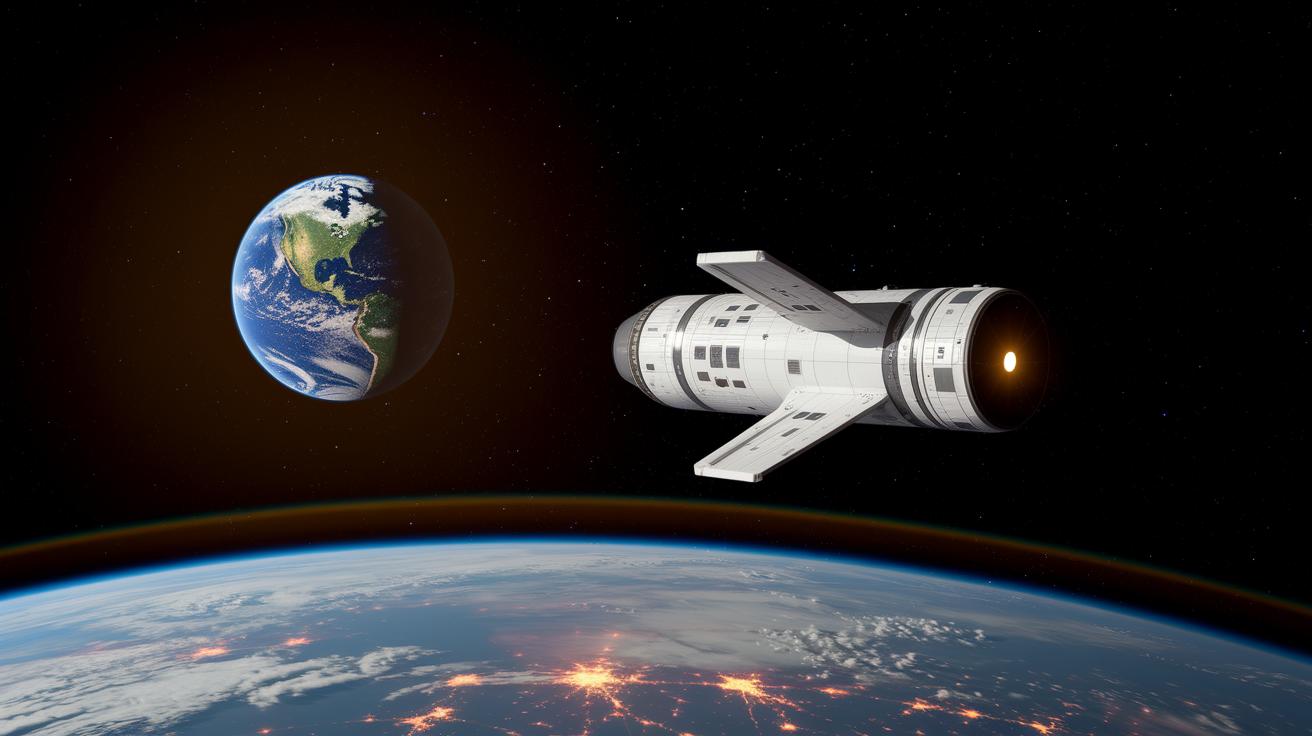
Right after launch, Crew Dragon Freedom sets off on a meticulously planned journey toward the ISS. The first stage separates roughly two and a half minutes after liftoff, much like a neat little function in a program that wraps up its job perfectly.
Soon after, the second stage fires a critical burn that gently shifts Freedom into a temporary orbit, think of it as a digital handshake confirming everything is on track. About twelve minutes into the mission, a circularization burn fine-tunes the path, keeping the orbit stable. At this point, advanced onboard algorithms (simple sets of coded instructions that adjust flight paths) work like experts optimizing a well-written program.
Then, nearly 24 hours later, the spacecraft performs a series of phasing burns to align its orbit exactly with that of the ISS, similar to syncing data across a secure network. Every step, from the stage separation to each precise orbital adjustment, ensures a smooth and reliable approach to docking. In short, each command is executed with exact precision, leading up to that final, critical moment with the ISS.
Crew Dragon Docking Procedures: A Step-by-Step Overview
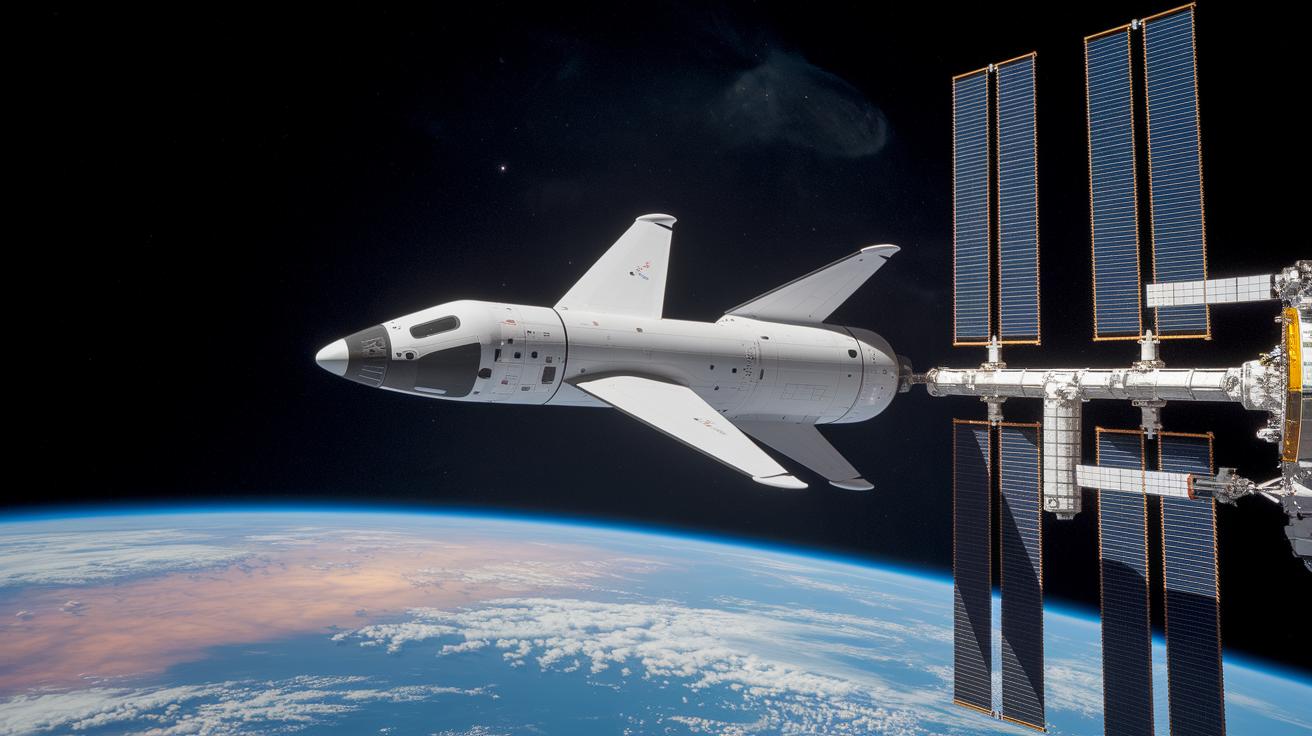
SpaceX's Crew Dragon Freedom is ready to dock with the International Space Station on September 29 at 5:30 p.m. EDT (21:30 GMT). The process starts at 3:30 p.m. EDT when the capsule carefully lines itself up, much like syncing your phone with a new Wi-Fi network. Each command is executed one after the other in a smooth, reliable way.
Then, at 7:40 p.m. EDT, the hatch opens and the standard ISS vestibule transfer and crew exchange begin. Every maneuver is timed perfectly, ensuring a secure link between the spacecraft and the station. It’s a bit like watching a well-designed app run through its steps flawlessly, keeping everything in sync.
Safety Protocols and Recovery Operations for Crew-9

SpaceX’s Crew-9 mission is all about keeping astronauts and gear safe during the ride up. The Crew Dragon’s launch abort system stays ready until it reaches orbit, so if something unexpected happens, it can kick in fast.
It’s a bit like driving a high-tech car where every sensor is watching and every backup plan is in place. Before liftoff, experts check everything from weather patterns to pad readiness. Think of it as tuning a fine piece of digital gear, every detail counts to make sure that launch goes off without a hitch.
In the rare case that something goes wrong, there’s a solid recovery plan ready to roll. Recovery teams, including boats and helicopters, are stationed off Florida’s east coast to pick up the crew if they splash down. It’s like having an expert support team on standby, ready to help you out when things get tricky.
And there’s more: ongoing monitoring and quick responses cover every step from launch to orbit. Every procedure is designed to keep the crew safe and make sure the mission stays on track.
Countdown and Launch Day Timeline for Crew-9

Get ready to experience the Crew-9 launch in dazzling 4K on official websites and social channels. The live mission commentary and interactive countdown graphics make each milestone pop, imagine a digital ticker that highlights every second with the precision of your favorite sports replay.
After liftoff, stick around for a press briefing at 3:00 p.m. EDT. You'll hear fresh insights on the flight's performance and what's coming next, all woven into a dynamic digital showcase that brings you even closer to the thrill of space exploration.
Final Words
In the action, the spacex crew-9 launch unfolded with impressive coordination and clear technical precision. The event highlighted vital aspects like the exact liftoff timing, onboard research experiments, and robust safety protocols.
Every step, from the countdown to the docking sequence, showcased how digital insights blend with practical mission planning. The detailed overview of crew training and vehicle specs kept the pace exciting and engaging.
This launch left us feeling optimistic about upcoming tech milestones and further digital innovations.
FAQ
Q: What is the launch schedule for SpaceX Crew-9?
A: The launch schedule for Crew-9 is set for September 28 at 1:17 p.m. EDT from SLC-40, with live coverage available to track the mission live.
Q: What is the expected return plan for SpaceX Crew-9?
A: The Crew-9 mission includes a six-month stay aboard the ISS, with careful planning for return procedures after completing onboard research and resupply tasks.
Q: How many crew members participate on SpaceX Crew-9?
A: The Crew-9 mission carries two astronauts on board the Crew Dragon Freedom capsule, with two additional seats reserved for upcoming Boeing Crew Flight Test participants.
Q: What is SpaceX Crew-10?
A: SpaceX Crew-10 is referenced as a separate mission, indicating the series of crewed flights that continue to support human space exploration alongside Crew-9.
Q: Who are the members of SpaceX Crew-9?
A: Crew-9 features astronauts chosen following extensive training and selection, with detailed information on the crew released through official NASA and SpaceX updates.
Q: Did SpaceX Crew-9 launch as planned?
A: SpaceX Crew-9 launched according to schedule on September 28, meeting key operational timelines and successfully deploying the Falcon 9 and Crew Dragon Freedom.
Q: Did SpaceX Falcon 9 launch as scheduled?
A: The Falcon 9 booster lifted off as scheduled from Cape Canaveral, accurately deploying the Crew Dragon Freedom capsule in line with operational protocols.
Q: Why was Crew-9 delayed or stuck?
A: Crew-9 experienced a temporary hold due to routine operational checks and safety procedures that ensured all systems met the required standards before liftoff.
Q: What is the significance of names like Sunita Williams and Peggy Whitson in Crew-9 discussions?
A: Names such as Sunita Williams and Peggy Whitson highlight the legacy of accomplished astronauts whose achievements continue to inspire current missions and advances in crewed spaceflight.

