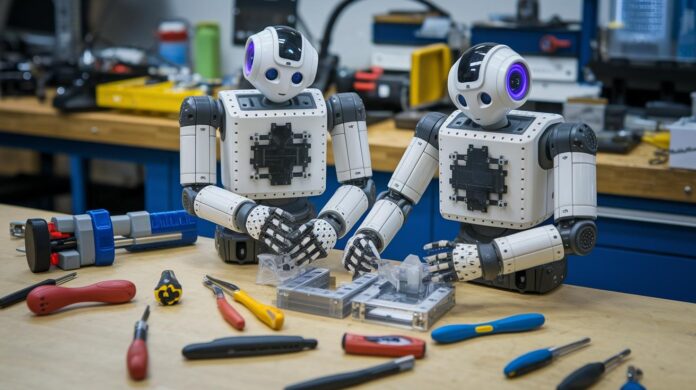
Ever wonder how machines team up like a group of bright minds? Picture a setup where one lead agent directs several helpers to tackle tasks all at once, much like a friendly digital conductor guiding each instrument in a perfect orchestra.
This smart design speeds up data processing and builds a seamless network where every part works together naturally. When agents collaborate in this way, even the toughest challenges turn into smooth, efficient solutions.
Understanding Multi-Agent Systems: Core Principles and Definitions

Multi-agent systems bring together several independent agents that collaborate using a leader-follower setup. One main agent gives directions and several subagents work simultaneously on tasks. This design sparks a kind of shared, distributed intelligence. For instance, imagine one agent spotting an important data trend. It quickly relays this info to its teammates, setting off a smooth, rapid chain reaction of insights.
Each agent plays a part in a smart, connected platform, making teamwork the core of the process. Context engineering, providing the right background information for every action, is key here. It ensures that every decision is in line with the overall goal. Sure, reading data is pretty straightforward, but writing or generating new content ramps up the challenge. The real test is keeping everything coordinated on its own while keeping operations efficient.
Every move an agent makes takes into account the choices of its peers, forming a decentralized decision network. Even a tiny slip in transferring context can spiral into bigger issues, so clear, precise communication is a must. By leaning on distributed collaboration, these systems not only boost flexibility but also spark new, adaptive behaviors that keep processes running smoothly over time.
Multi-Agent Systems Spark Distributed Ingenuity

Imagine a setup where a lead agent directs several worker subagents, each tackling tasks at the same time. The lead agent acts like a conductor, making sure every specialized agent hits the right note so that complex tasks are handled smoothly. Fun fact: a single orchestrator can coordinate over 20 subagents at once, with each one processing unique data streams seamlessly.
Agents chat with each other using different methods. For instance, asynchronous messaging lets them send updates without waiting for a reply, which means fewer slowdowns. They also use shared memory spaces, a bit like a common digital desk where everyone can check and update information. And then there’s the pub/sub model, where agents broadcast events to all subscribers without needing to know who will pick them up.
Getting these interactions right depends a lot on clear prompt engineering guidelines. These rules keep the agents’ actions sharp and help avoid missteps that could lead to errors. Coordination is key here, a small glitch can derail the whole process.
| Protocol Name | Primary Use |
|---|---|
| Publish-Subscribe | Decoupled event distribution |
| Consensus Algorithm | Agreeing on shared state |
| Negotiation Protocol | Dynamic resource allocation |
Then there are adaptive negotiation protocols that fine-tune resource sharing among agents. These advanced coordination tools help solve network problems in a reliable way. All these methods work together to create a resilient system that sparkles with distributed ingenuity.
Key Algorithms and Emergent Behavior in Multi-Agent Systems

Emergent behavior happens when simple rules spark surprisingly complex patterns across the system. Imagine agents following a few basic guidelines, then, bam!, a global pattern emerges, much like a classroom vote where everyone quickly agrees on what to do. Ever wonder how that feels? It’s like watching friends reach a decision without any single leader.
Another cool trick is auction-based task assignment. In this setup, each agent bids for a task based on what they can do best at that moment. Think of it like a neighborhood bake sale where every participant naturally goes for the cupcake stall that fits them perfectly.
Swarm optimization is yet another neat idea. Here, each agent acts like a busy bee, following routine rules. When you combine all these tiny actions, the group can tackle big tasks efficiently. One research system even had up to 50 mini-agents handling a simple query, showing just how powerful these emergent dynamics can be.
- Consensus decision-making: Agents naturally converge on a shared approach, much like a quick classroom vote.
- Auction-based task assignment: Agents bid based on their current strengths, matching tasks dynamically.
- Swarm optimization: Simple, local actions add up to effective problem-solving across the group.
Balancing agent independence with global coordination is a real challenge. Too much freedom might lead to uncontrolled chaos, while too much control could choke the creative, emergent patterns that make the system efficient.
Practical Applications and Case Studies of Multi-Agent Systems
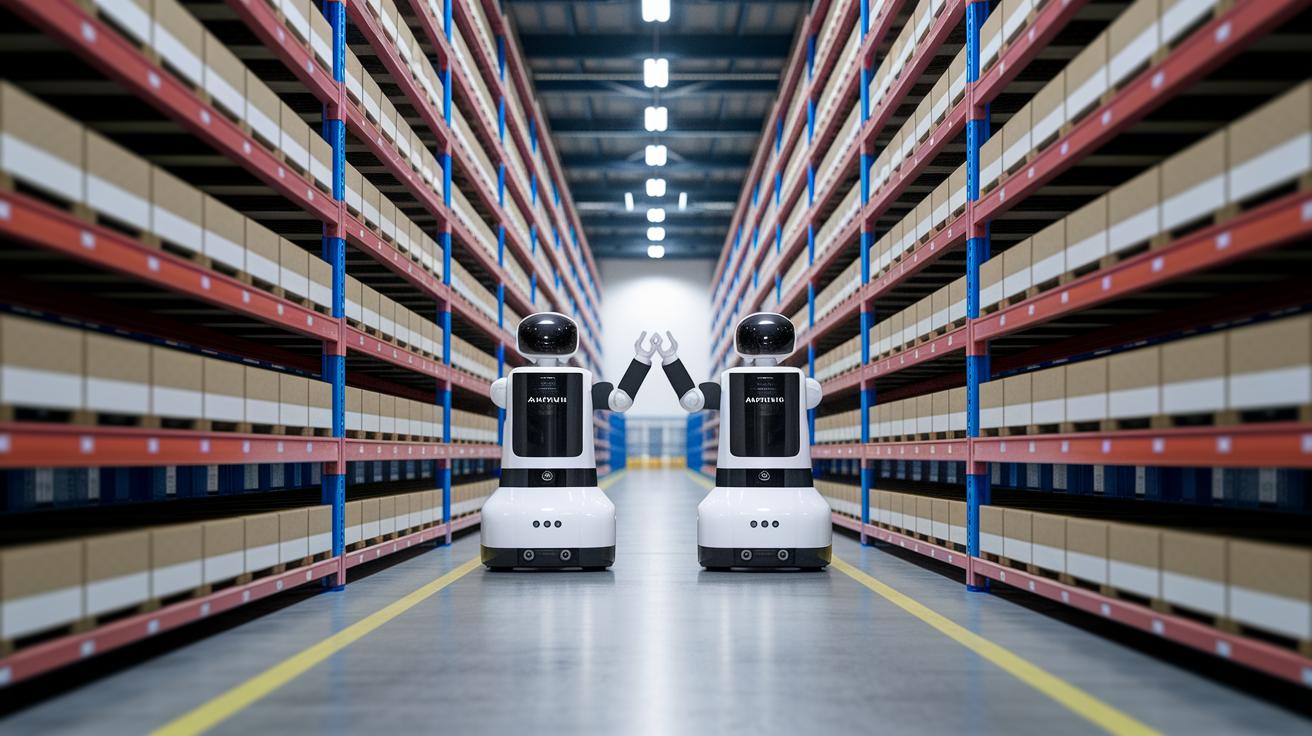
Multi-agent systems give us a flexible way to handle real-world problems by letting each agent adjust its own path instead of sticking to a fixed process. Think of it like a chef who tweaks a recipe on the fly as fresh ingredients arrive. This approach shows how these systems stay agile and responsive to what’s happening.
In logistics, warehouse robots work like a well-choreographed dance. Multiple robots coordinate seamlessly, each collecting items at just the right moment. It’s like watching a group of friends helping out, ensuring everything runs without a hitch.
Search-and-rescue missions also get a big boost from these systems. Swarm robotics (tiny, nimble robots that work together) spread out over disaster areas to find victims quickly. They communicate all the time, making sure no corner is left unchecked during an emergency.
In finance, automated trading uses decentralized decision networks. Each agent quickly checks market trends and makes split-second decisions, much like a team of experts sharing ideas in real time. This setup helps the whole system react fast as financial conditions change.
Smart grids similarly rely on distributed control to balance energy needs. Local systems work together to adjust power generation and consumption, similar to neighbors coordinating to keep the local power steady. This ensures energy is used efficiently and reliably.
Each case shows how multi-agent systems, whether in robotics, trading, or energy management, adapt to meet specific needs by working together harmoniously.
Challenges and Engineering Considerations in Multi-Agent Systems

Managing multi-agent systems is a bit like juggling mini brains, you need to prevent mistakes while making sure every agent acts smartly. One common hiccup is over-spawning. Imagine needing one or two helpers, yet ending up with 50 buzzing around like overenthusiastic team members crowding a tiny workspace. It’s overwhelming and drains your system’s compute power.
Context engineering is also super important. When agents only catch snippets of a conversation, it’s like trying to finish a puzzle with missing pieces. Without the complete picture of past decisions, coordination falls apart.
Prompt engineering steps in by setting clear, evolving guidelines. Even a tiny tweak in code can shift behavior dramatically, much like a small oar changing the course of a big boat. If minor errors stack up, they can sidetrack the whole process before you know it.
Balancing decentralized resource allocation while respecting every agent’s point of view is a constant trade-off. In practical terms, strong production systems need continuous monitoring, clear prompt rules, and disciplined resource management to keep unexpected behaviors in check.
- Too many agents can eat up computing resources.
- Limited context can break the essential coordination loops.
- Small changes in code might lead to stacked errors that hurt overall reliability.
Research Trends and Future Directions in Multi-Agent Systems

Researchers are buzzing about decentralized learning models that let agents share key insights while keeping private data safe. Think of it as a digital classroom where every student only whispers the important bits, like passing secret notes that protect the full lesson. Open-source coordination tools and modular autonomy structures are now the favorite for rapid prototyping, helping innovators build scalable, cooperative systems much faster than before.
Imagine a virtual playground where groups of smart agents test different strategies in a controlled setting before heading into real-world challenges. It’s like watching a chess team where every piece instinctively makes the best move. In these simulated environments, emergent learning models empower agents to self-optimize. Researchers are moving toward self-managing coordination frameworks that cut down on constant manual checks, all while keeping the overall system strong and reliable.
Academic teams are now putting extra effort into balancing a system’s complexity with how well it performs. As more agents come online and get smarter, their collective power must be managed carefully so as not to overtax system resources. The big challenge? Using advanced algorithms and decentralized methods to create networks that are both robust and efficient. In short, these trends are paving the way for multi-agent systems that not only work together more smoothly but also quickly adapt to new challenges, building a digital future that’s smarter and more resilient.
Final Words
In the action we saw how multi agent systems structure collaboration, with a lead agent overseeing worker tasks to build responsive digital insights. The piece covered key protocols that guide smooth communications and smart algorithms that generate local rules into clear outcomes. It touched on real-world applications and the challenges of keeping systems balanced in resource use and context. Research trends point to new methods for easing coordination. This discussion leaves you with practical takeaways that spark further digital innovation.

