
Do you ever wonder if tech breakthroughs can happen even faster? In our fast-paced digital world, tools like AI (artificial intelligence, meaning computer programs that learn) and machine learning, along with data analytics (the process of studying data to make smart choices) and automated labs, help us save time and boost accuracy. Imagine a scientist noticing an unexpected trend because smart software crunches numbers and takes care of the everyday tasks. This article explains several easy-to-follow methods that speed up research while sharpening outcomes. We break down six practical approaches that drive innovation, making sure each step leads to reliable and speedy discoveries.
Foundational Methods for Rapid Tech Breakthroughs
Our journey into fast tech breakthroughs kicks off by mixing different methods that boost research speed and accuracy. Think about Galileo using a telescope, a special tool that helps us see far away, in 1610, or Robert Hooke using a microscope, which lets us peek at tiny details, back in 1665. Today, we bring together AI, machine learning (where computers learn from data), data analytics, and automated labs to speed up discoveries and make sure results are steady.
Imagine a scientist stumbling on an unexpected pattern in data, saying, "I found hidden clues here!" That moment sparks a careful, step-by-step investigation.
- Artificial Intelligence & Machine Learning
- Data Analytics Platforms
- Automated Lab Systems
- Agile Research Frameworks
- Collaborative Innovation Networks
- Advanced Experimentation Practices
Bringing these six techniques together sets up an environment where every test can be fine-tuned. When data analytics spot trends quickly, AI and machine learning jump in to figure out which ideas might work best. Automated lab systems handle the busywork so researchers can focus on perfecting experiments. Agile frameworks let teams try, tweak, and improve fast, while innovation networks connect bright minds from different areas, sparking fresh ideas. Advanced experimentation practices keep pushing methods further as new data flows in, like assembling a digital puzzle where every piece matters.
This blended approach not only speeds up new discoveries but also ups the game in accuracy and trustworthiness. It's a perfect example of how smart tech and clever strategies can drive innovation that's both rapid and robust.
AI & Machine Learning Practices to Expedite Tech Breakthroughs
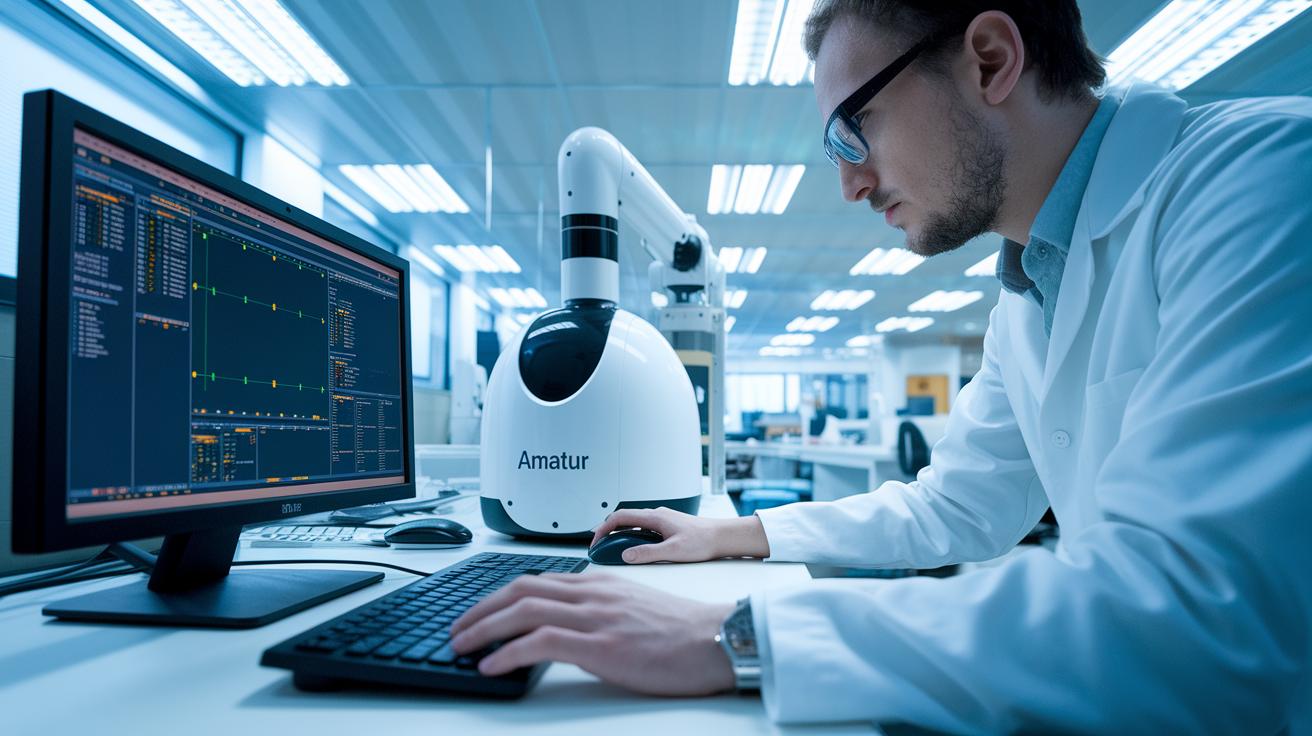
AI and machine learning are turbocharging research. They cut cycle times and hike up productivity by automating routine tasks, scanning through oceans of data, and pulling key insights from sources like scientific journals and patents. This tech is powering experiments to move faster than ever.
Idea Evaluation
Machine learning models check out past data to predict which ideas might click. They review previous wins to flag potential breakthroughs, making it easier to focus on what works.
Idea Generation
Advanced pattern analysis helps uncover fresh concepts by spotting trends that might otherwise slip by. Researchers might notice a data pattern and think, "This sparks a new idea!" leading to innovative experiments.
Decision Support
Predictive models use data to decide which research paths to follow. This means teams can concentrate on projects with the highest chances of success, making smart use of their time and resources.
Risk Analysis
Data-driven tools help with planning by spotting possible obstacles before they happen. By predicting hurdles early, teams can adjust their strategies on the fly.
Virtual Collaboration
Real-time translation and noise-cancellation features break down language and sound barriers during global meetings. This creates a smoother workflow and seamless teamwork, no matter where everyone is.
Continuous Improvement
Feedback loops ensure models get smarter with each new dataset. Over time, these constant tweaks lead to major enhancements in research practices.
Long-term, mixing AI with machine learning not only speeds up discovery but also builds a solid foundation for future breakthroughs, pushing research to reach new heights.
Lab Automation and Robotics Techniques for Rapid Tech Breakthroughs
Lab automation is all about using smart robots and clever software to handle everyday tasks like pipetting, preparing samples, and capturing data. Think of it as a finely tuned production line where every step flows seamlessly. Robots take over those boring, repetitive tasks so scientists can dive into fresh ideas and explore new tech territories.
By blending modern automation with robotics and real-time computer analysis, labs can instantly tweak what they’re doing. For instance, automated systems can change protocols on the fly based on quick AI insights (AI stands for artificial intelligence, which means computer programs that learn and adapt). Whether it’s accurately measuring chemicals or quickly collecting data, these systems boost productivity and keep mistakes in check. Collaborative robots, or cobots, can even ramp up efficiency by about 30% in both healthcare and manufacturing settings.
Best practices hinge on creating testing setups that adjust easily to new experiments while keeping results consistent. Researchers design modular lab stations where every task can be switched around effortlessly, making sure each experiment is repeated just right. This flexible strategy, paired with constant monitoring, builds a work environment that’s both stable and dynamic, perfect for rapid, reliable breakthroughs.
Accelerating Tech Breakthroughs via Collaborative Networks
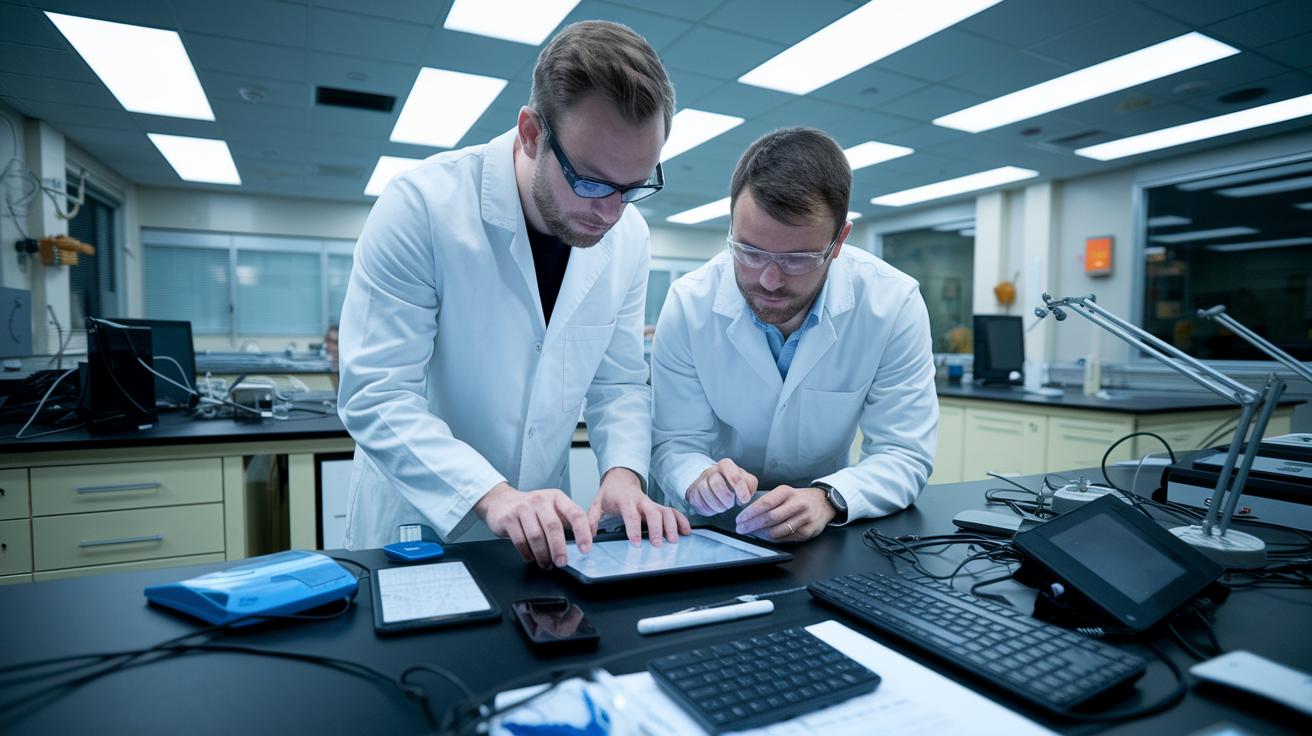
When different labs and academic-industry teams come together, discoveries happen faster. Imagine scientists and engineers sharing ideas side by side, each adding a special piece to a giant puzzle. Their combined strengths speed the testing process, helping them quickly adapt to new data and shape smart, efficient breakthroughs.
History shows us that mixed groups really make a difference. Think about when teams worked together to create the telescope or microscope. Today, experts from various fields use digital tools to track trends, spark new ideas, and keep projects moving forward. This teamwork lets them tap into shared resources and insights that no one could achieve alone.
Digital platforms and smart data strategies keep these alliances in sync. Tools like low-code software (which lets you build apps with minimal coding) help teams coordinate and monitor key steps easily. Leaders rely on simple dashboards that mix real-time data with trends, ensuring every voice counts. In essence, this smart system aligns everyone's efforts with clear business goals, cutting down the time it takes to bring new innovations to life.
Strategic Frameworks and Tools to Fast-Track Tech Breakthroughs
Strategic management tools act as the fuel that speeds up tech breakthroughs by giving you a clear snapshot of research progress. They help tighten up discovery steps and boost technological insights, making sure every stage from idea to launch is clearly mapped out. It’s like having a digital compass that guides your next move.
| Tool | Purpose | Real-World Example |
|---|---|---|
| AI Alerts | Real-time warnings about tech readiness | Meta Reality Labs Monitoring |
| Technology Radars | Spot emerging trends | Microsoft OpenAI Roadmap |
| Roadmaps | Guide future planning | Roche Personalized Medicine |
| Innovation Dashboards | Monitor key performance indicators (KPIs – simple measures of success) | In-house R&D Scorecards |
Integrating these tools into research and development takes a mix of planning and flexibility. Regular KPI reviews and using real-time feedback to adjust your strategy are key. For example, when insights from AI alerts update your technology radars, teams can quickly fine-tune their experiments. I’ve heard teams say, "This dashboard showed us exactly where to focus next," which really highlights how efficiency improves with a connected system. This smart, adaptable approach turns raw data into useful steps, ensuring every decision is based on a blend of past successes and current trends.
From Prototype to Market: Fast-Track Commercialization of Tech Breakthroughs

Rapid commercialization is all about turning fresh ideas into everyday products and services that benefit both our market and society. It lets companies keep up with customer needs and stay ahead. Take CRISPR-Cas9, for example, a gene-editing tool (it helps modify DNA) that quickly moved from lab benches to real treatments, showing how fast ideas can change lives.
Mapping the journey from a rough prototype to a market-ready product involves clear, step-by-step stages. First, there are design sprints that let you quickly test and refine ideas. Next, rapid prototyping kicks off with pilot trials that test early designs in controlled conditions. Then, smart commercialization strategies help navigate regulations and turn pilot tests into scalable operations, sometimes in under 18 months, much like some energy innovations. Finally, scaling up these efforts transforms promising prototypes into finished solutions that reshape entire industries.
Final Words
In the action, we explored core strategies that speed up tech breakthroughs. We highlighted six key approaches, from AI and data platforms to agile frameworks and lab automation, that fuel rapid digital leaps. Each method forms a vital link in transforming prototypes into market-ready innovations. Embrace these methods to accelerate tech breakthroughs and make every step feel like a fresh spark of progress. The fusion of human creativity with smart technology paves the way for an exciting and confident digital future.
FAQ
Frequently Asked Questions
What do documents like PDFs, 2022 reports, and essays on accelerating tech breakthroughs cover?
The documents discuss techniques such as AI, data analytics, lab automation, agile research frameworks, and collaborative networks to reduce research cycles and drive efficient technical progress.
How can kids prepare for a future with fast-growing technology?
The guidance for kids emphasizes engaging with basic tech skills, creative problem-solving, and interdisciplinary learning to build a strong foundation for a technologically advanced future.
What are the components of a technological system?
The technological system consists of hardware, software, operational processes, and people, all interacting to deliver streamlined digital solutions and support modern technical breakthroughs.
How do you accelerate innovation?
Accelerating innovation involves combining agile research methods, AI-driven insights, and integrated collaborative networks with advanced experimentation practices to shorten development cycles and spur new breakthroughs.
How is technology advancing so fast?
Technology is advancing quickly by integrating AI, lab automation, real-time data analytics, and strategic planning tools, which together streamline research, enhance decision-making, and speed up the development process.
What are the 8 stages of the technological innovation process?
The 8 stages typically include idea generation, initial research, prototyping, testing, refining, scaling up, commercialization, and ongoing optimization, each contributing to measurable improvements and breakthrough outcomes.
What is the rapid advancement of technology?
The rapid advancement of technology refers to the swift progress driven by modern research methods, AI integration, and agile frameworks that reduce cycle times and fuel transformative technical innovations.

