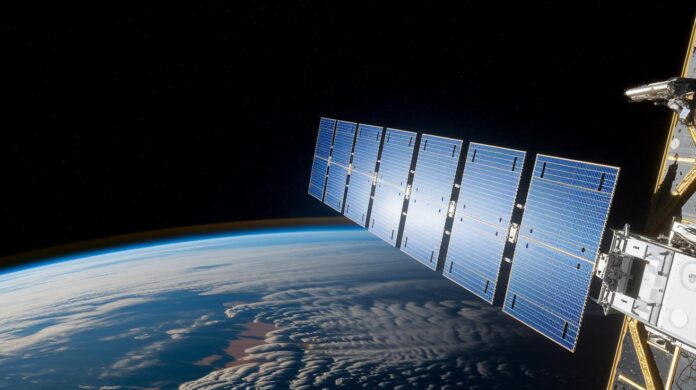
Ever wonder how you stay connected deep in the wilderness? The Iridium satellite network makes it happen using 66 satellites in orbit, these are the tech marvels that work together high above us. Its clever design transforms places with no cell service into reliable communication hubs.
It’s like having a lifeline even in remote areas, turning isolation into instant contact. Professionals and adventurers alike rely on this system for crystal-clear calls and essential data, keeping them in touch no matter where they roam.
Iridium Satellite Constellation Overview
Ever wonder how you can stay connected even in the middle of nowhere? The Iridium network is like that reliable tech buddy that keeps you linked up no matter where you roam. With 66 active satellites spinning in six neat orbits about 870 km above Earth, this system was the first global commercial network. It supports voice calls, sends out emergency beacons, and even powers Internet of Things applications (small devices connected to the web).
Imagine being able to call or send data from any corner of the globe. With over 2.3 million subscribers, including 145,000 U.S. government users, the network is a true workhorse. Professionals and adventurers alike lean on its powerful features:
- 66 active satellites spread across six orbits
- Orbits at an altitude of roughly 870 km
- Provides full global connectivity
- Supports telephony, data transmission, emergency alerts, and IoT apps
- Trusted by governments and industry experts alike
Spanning the entire globe, Iridium builds a resilient communication framework that keeps digital messages flowing in real time. Whether you’re navigating rough terrains, coordinating flights, or ensuring marine safety, every satellite plays its part in delivering the connectivity you need. It’s a brilliant blend of advanced tech precision and practical, life-saving communication.
Technical Specifications of the Iridium Satellite System
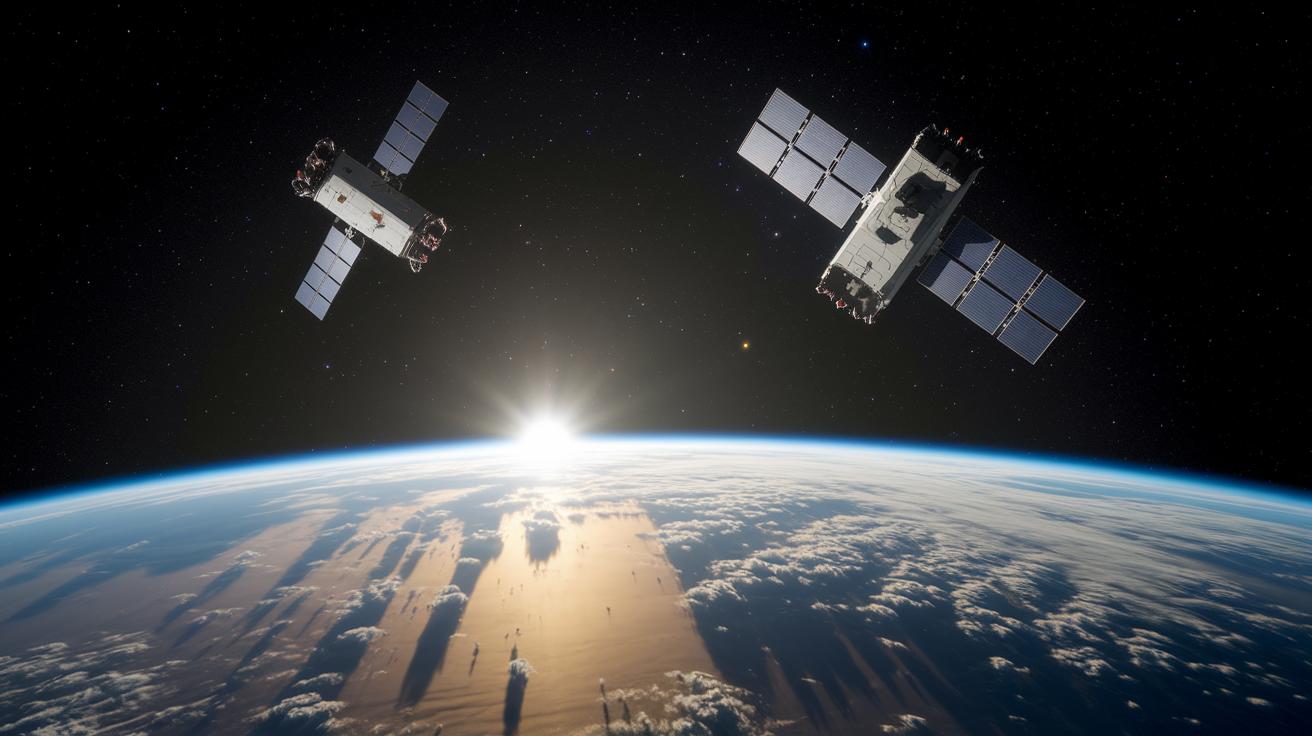
The Iridium NEXT network runs on 66 active satellites, backed by an extra 9 in orbit and 6 on the ground. Each satellite is built tough to handle the rough conditions of space, like pieces of a finely tuned machine working together. It’s like having an engine that keeps humming along smoothly, even when the pressure’s on.
Then there was a big win when the final set of 10 satellites launched on January 11, 2019, wrapping up the whole constellation by February 8, 2019. This milestone was a game changer, proving that the network can not only keep up with but also drive modern communication needs.
Each satellite only has about a 7-minute window, just when it’s rising or setting, to be seen. But thanks to a smart design that hands off data from one satellite to the next, you get smooth, continuous global coverage, even if each satellite pops into view for only a brief moment.
Global Coverage and Performance Metrics of Iridium Satellites
Imagine a network that connects every inch of our world, keeping you linked whether you're cruising over the ocean or soaring high in the sky. Iridium’s design makes sure data flows without a hitch, even when you’re in motion. So, whether you’re piloting a plane or navigating treacherous waters, you get real-time updates and reliable communication, even if your regular networks let you down.
| Region | Coverage Type | Typical Latency |
|---|---|---|
| North America | Full coverage | 700–900 ms |
| Europe | Complete | 700–900 ms |
| Asia-Pacific | Extensive | 700–900 ms |
| Africa | All-region | 700–900 ms |
| South America | Continuous | 700–900 ms |
Looking ahead, there’s big excitement in the air. Plans are in motion to drastically lower the current latency, from about 700–900 milliseconds down to an impressive 40–50 milliseconds. In simpler terms, latency is the delay before a transfer of data begins following an instruction for its transfer. This means Iridium could soon offer even faster, rock-solid communications, surpassing many older geostationary systems that usually fall between 600 and 1200 milliseconds. Cool, right? This upgrade is set to further cement Iridium's reputation as a top-tier, globally trusted communication solution.
iridium satellite: Remarkable Tech Precision

Iridium is built around satellite telephony and emergency beacon functions, making it perfect for those off-the-grid moments. Imagine hiking through remote trails with a rugged satellite phone that can instantly send an SOS if things go wrong. Whether you're caught in a sudden mountain storm or facing any urgent situation, these devices are designed to step in when regular networks fail. It's like having a lifeline in your backpack, keeping you connected even when all else goes dark.
Plus, Iridium doesn't stop at emergency help, it also keeps track of valuable assets everywhere. Picture a system that monitors everything from trucks in isolated regions to planes high above the clouds. This portable data connectivity acts like a digital nervous system, steadily watching over vehicles, aircraft, and vessels. It’s a game-changer for industries that rely on constant, dependable tracking to ensure both safety and smooth operations.
Beyond that, Iridium serves as the digital backbone for remote operations. It powers unmanned systems and steps in as a solid backup when everyday connectivity falters. So whether you're piloting a drone over rugged terrain or streaming live data from an out-of-reach location, Iridium ensures your commands and updates flow seamlessly. In short, you're looking at a network that keeps you reliably connected, no matter how challenging the environment may be.
History and Evolution of the Iridium Satellite Network
The original Iridium network burst onto the scene in the late 1990s as a brave leap into global mobile communication. It was a bold test of new ideas, even though the early setup had its rough edges. Imagine trying to keep satellites humming in space while juggling the quirks of primitive digital networks, pretty wild, right?
The push for a more dependable system led to the Iridium NEXT program, which took place from January 2017 through January 2019. This upgrade was like giving the whole network a fresh coat of digital paint, marking a turning point in satellite communications. The final launch of the new setup made it clear: the network was ready to face modern digital demands head-on.
To keep everything running smoothly, the network now includes nine spares orbiting overhead and six kept on the ground. Regular software updates and smart collision-avoidance moves work like routine check-ups for your favorite gadget. This setup means that even if surprises pop up, there’s always a well-thought-out backup plan in place.
Security Considerations and Vulnerabilities in the Iridium Network
Hey, tech friends, let’s dive into some real talk about the Iridium network. Recent tests by ethical hackers have shown that if you send unencrypted Iridium messages, they can be intercepted. Imagine this: in one test, a text between regular users was captured, even revealing where they were. It’s like having a cool, global connection with a little gap that lets in unwanted eyes.
Military users are in a bit safer spot because they get an extra layer of encryption, a method used by the Department of Defense to secure their communications. But on the flip side, some agencies, like the German Foreign Office, have seen intercepted messages. That one intercepted text even disclosed location data, proving that stronger safeguards can really make a difference.
So, what now? Next up is stepping up security measures. We need to use stronger encryption protocols, run regular vulnerability checks, and set up real-time monitoring to flag any sketchy activity right away. Think of it like a smart alarm system on your devices, alerting you when something’s off. These improvements won’t just protect data as it moves; they’ll also help shield the network against future risks.
Comparing Iridium Satellites with Other Satellite Communication Systems
Iridium breaks the mold with its 66 active satellites circling in low Earth orbit. This setup creates an always-on, global network that stands out. In contrast, geostationary systems usually use just 3 to 10 satellites to cover huge areas, which can leave gaps in coverage, like having a few bright streetlights scattered along a dark road.
Latency and data speeds show more differences. Right now, Iridium Certus works with about a 700 to 900 millisecond delay, a small pause before data travels between points. But future upgrades aim to drop this delay to just 40 or 50 milliseconds. Geostationary systems, on the other hand, lag with delays between 600 and 1200 milliseconds. Imagine sending a quick text with almost real-time response versus waiting longer for a reply with older tech.
Then there’s the matter of cost and network setup. Iridium’s dense network requires many satellites and smart management to handle data hand-offs, which ensures steady, global connectivity. Geostationary networks use fewer satellites and simpler setups, but they might not always offer continuous, worldwide service.
Subscription Plans, Pricing, and Device Cost Analysis for Iridium

Iridium offers a variety of subscription choices designed to fit different communication needs. Whether you need clear voice calls, steady data streaming, or even IoT (Internet of Things) services, they have a plan for you. They let you choose between prepaid and postpaid options, so you can stay on budget while keeping connected. Imagine making a crucial call while riding rough seas with a tailor-made plan that fits just right. Amazing, isn't it?
When you weigh voice versus data plans, think about what matters most: clarity, speed, and reliability. Voice plans deliver robust, real-time conversations for when you need to connect immediately. Data plans, however, keep you online for tasks like remote monitoring or sharing videos and photos, kind of like choosing between a quick chat and streaming a live event. Each option is perfect for anyone at sea, in the air, or deep in remote areas.
Iridium also gives you a smart, user-friendly control panel that shows real-time usage, helps you manage your devices, and even sends custom alerts about billing or data consumption. These intuitive tools put you in the driver’s seat, whether you're working on a boat, flying an aircraft, handling governmental needs, or running a business. In essence, it’s a cost-effective way to enjoy seamless global connectivity.
Final Words
In the action, our discussion broke down the iridium satellite network's inner mechanics, covering everything from its tech specs and global reach to real-world applications and smart security practices. We even weighed how it stacks up against its peers and looked at the flexibility of subscription plans.
Each segment aimed to give a clear picture of the system’s role in today's digital scene. The insights here light the way to a future where tech changes work smoothly and confidently.
FAQ
What is the Iridium satellite used for?
The Iridium satellite is used for global mobile communications, providing voice, data, emergency signals, and IoT support. It’s designed to keep you connected even in the most remote regions.
How does the Iridium satellite constellation support communications and tracking?
The Iridium constellation is a network of over 66 low-earth orbit satellites that enables systems like satellite phones, trackers, and antennas to deliver continuous, worldwide coverage with reliable mapping services.
What is the difference between Starlink and Iridium?
The difference lies in their design; Iridium’s low-earth orbit network offers consistent global coverage for voice and data, while Starlink focuses on high-speed internet with a denser satellite field, often covering regional markets.
Are Iridium satellites still in use?
The Iridium satellites are still actively used; they form a trusted communications network serving millions in remote, maritime, government, and emergency sectors with continuous connectivity.
What went wrong with Iridium?
In its early days, Iridium faced challenges with high costs and limited market adoption. System inefficiencies led to struggles that were later addressed with the upgraded Iridium NEXT constellation for better performance.
What frequency do Iridium satellites operate on?
The Iridium satellites operate in the L-band frequency, preferred for mobile satellite communications due to its reliable performance in diverse weather conditions and ability to penetrate cloud cover.
What is the reference to Iridium satellite bin Laden about?
The reference arises from media discussions that questioned the network’s potential use for tracking high-profile figures. In reality, Iridium is primarily focused on secure, global communications rather than targeting anyone specifically.

