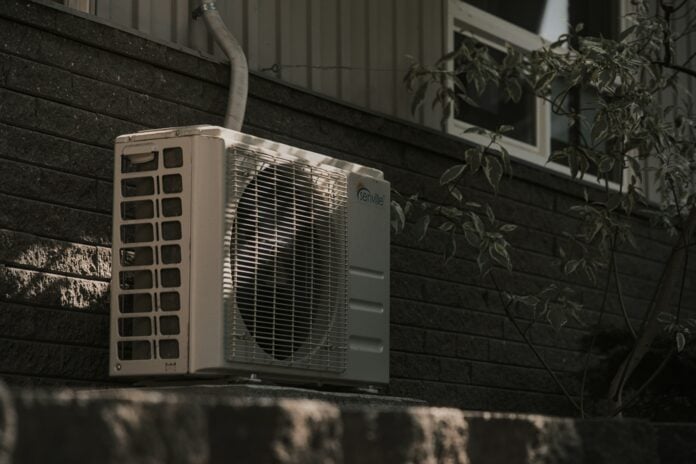
Getting your air conditioner or furnace checked before the severe weather hits used to be a pretty basic affair. A technician would show up, swap out a dirty filter, listen to the motor for weird noises, and check a set of analog dials. While the core mechanical principles of heating and cooling have not changed, the tools used to measure them absolutely have. Today, an inspection looks less like basic mechanical maintenance and a lot more like a high-tech data audit.
When you schedule a professional HVAC service for your home, the technician arriving at your door is armed with highly sensitive digital equipment. They are not just guessing based on years of experience; they are pulling real-time data directly from your system to catch microscopic issues before they turn into complete breakdowns. Let’s take a look at the exact technology modern technicians use and how it actively saves you money on utility bills.
High-Definition Video Inspection
Some of the most critical components of your climate control system are buried deep inside dark metal cabinets. Years ago, inspecting the inner evaporator coil for dirt buildup or checking the deep bends of a furnace for rust meant literally taking the entire machine apart. It was incredibly labor-intensive and often skipped during a basic maintenance visit because of the time involved.
Today, technicians completely bypass the teardown by using flexible, high-definition borescope cameras. They simply feed a tiny, illuminated camera lens attached to a flexible snake directly into the ductwork or through a small access panel. The camera sends a live, brightly lit video feed straight to the technician’s tablet. This allows them to see exactly what is happening deep inside the system. They can spot hidden mold growth on the cooling coils, severe dust clogs restricting the airflow, or dangerous, hairline cracks forming inside the metal heat exchanger. It is a completely non-invasive way to check the absolute hardest-to-reach places in your home.
Thermal Imaging for Hidden Inefficiencies
Some of the biggest threats to your heating and cooling system are entirely invisible to the naked eye. An electrical breaker might look perfectly fine on the outside, but it is secretly overheating and close to catching fire. Your ductwork might seem secure, but a hidden seam could be leaking freezing air directly into your hot attic.
To combat this, technicians now use handheld thermal imaging cameras during routine maintenance. By pointing an infrared camera at your electrical panel, blower motor, or exposed ductwork, they can instantly see temperature signatures. A bright red spot on a circuit board warns them that a capacitor is about to fail. Cold blue streaks along a ceiling joint reveal exactly where expensive conditioned air is escaping. It allows the technician to fix invisible problems without ripping open walls or guessing where a draft is coming from.
Digital Combustion Analyzers
If you are getting a fall tune-up for a gas furnace, safety is the top priority. Older furnaces can develop microscopic cracks in the heat exchanger, silently leaking deadly carbon monoxide into your living room. In the past, technicians relied heavily on visual inspections or chemical swab tests to check for gas leaks.
Today, a digital combustion analyzer is the standard tool. The technician inserts a high-tech probe directly into the exhaust flue. The analyzer reads the chemical makeup of the exhaust gases in real-time. It tells the technician exactly how much oxygen, carbon dioxide, and carbon monoxide the furnace produces. This allows them to adjust gas pressure and calibrate the burner to achieve the perfect fuel-to-air ratio. Your furnace burns cleaner, uses less natural gas, and gives you absolute peace of mind regarding carbon monoxide safety.
Digital Airflow and Static Pressure Testing
Airflow is the lifeblood of your climate control system. If air is not moving properly, your equipment will suffocate, freeze up, and eventually die. Measuring how hard the blower motor works used to be incredibly difficult.
Now, technicians use digital manometers connected to their tablets to measure static pressure inside your ductwork. Think of static pressure like the blood pressure of your home climate system. By inserting tiny digital probes into the supply and return ducts, the app calculates exactly how much resistance the air faces. If the pressure is too high, the technician knows immediately that there is a severe restriction. It could be a collapsed duct, a blocked vent, or an overly restrictive air filter suffocating the blower motor. Catching these airflow issues early prevents massive energy waste and stops the fan from burning out.
The Digital Paper Trail
One of the most frustrating parts of hiring any home service contractor is simply having to take their word for it. When a mechanic tells you a part is broken, you just have to trust them. The integration of smart technology into routine maintenance has completely shifted this dynamic by providing total transparency.
Because diagnostic tools connect to a central tablet, the software generates a highly detailed health report for your system. At the end of the tune-up, the technician can hand you a digital PDF showing the exact electrical draw of motors, precise refrigerant pressures, and thermal photos of problem areas. You get to see actual data proving why a specific repair is necessary before you ever agree to the work.
Keeping Your System Running Smarter
Upgrading the tools used on the job site is not just about making the technician’s life easier. It directly translates to a higher quality of service for the homeowner. By utilizing flexible video cameras, infrared thermography, and digital air pressure monitors, a routine checkup becomes a highly precise scientific audit. These tools catch invisible issues that analog tools simply miss. Fixing those small deviations early keeps your system running for fifteen years instead of failing at year seven, ensuring your home stays perfectly comfortable no matter how extreme the weather gets outside.

