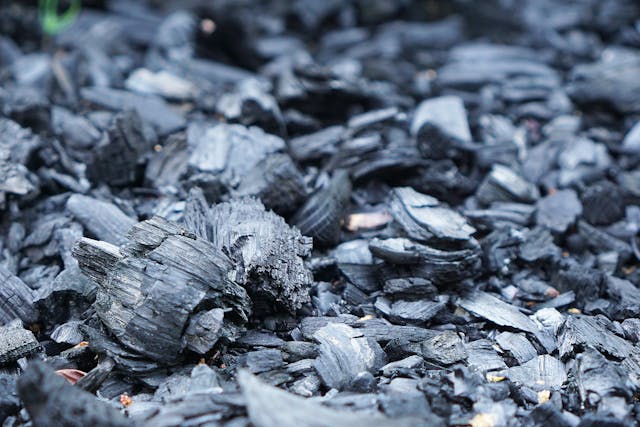
The journey from a raw seed or fruit to the clear, golden oil sitting on a kitchen shelf is complex. Consumers demand oils that are neutral in taste, light in color, and free from harmful contaminants. Meeting these expectations requires rigorous processing, and one of the most critical tools in an oil refiner’s arsenal is activated carbon.
This porous material acts as a highly effective filter, capturing specific impurities that other refining methods might miss. Whether it is removing carcinogenic compounds or adjusting the color of palm oil, activated carbon plays a pivotal role in ensuring safety and quality. Here is a deep dive into how this material transforms raw oils into the refined products we rely on daily.
The Role of Adsorption in Oil Refining
To understand how activated carbon works, it is essential to first grasp the concept of adsorption. Unlike absorption, where a fluid permeates a solid (like a sponge soaking up water), adsorption is a surface phenomenon. Impurities stick to the surface of the carbon rather than being soaked up inside it.
Activated carbon is manufactured to have an incredibly high surface area. A single gram can have a surface area greater than a football field. This vast network of microscopic pores creates millions of trapping sites for unwanted molecules.
In the context of edible oils, these “unwanted molecules” include:
- Polycyclic Aromatic Hydrocarbons (PAHs): Harmful compounds often found in oils dried with combustion gases.
- Chlorophyll and Carotenoids: Pigments that can cause dark colors and promote oxidation.
- Oxidation Products: Compounds that cause rancidity and off-flavors.
- Trace Metals: Elements like iron or copper that accelerate spoilage.
By passing oil through activated carbon, refiners can selectively remove these contaminants without stripping away the essential triglycerides that make up the oil itself.
Mastering Color Removal and Bleaching
One of the primary reasons refiners use activated carbon is for color correction. While some natural color is desirable, excessive pigmentation often indicates impurities that can degrade the oil’s quality over time.
Why Color Matters
Color is not just an aesthetic choice; it is a quality indicator. Darker oils often contain higher levels of chlorophyll or oxidation products. Chlorophyll, in particular, is a pro-oxidant in the presence of light. This means that if you leave a green-tinted oil in a clear bottle on a store shelf, the light will react with the chlorophyll to spoil the oil much faster than if the pigment had been removed.
The Carbon Advantage
While bleaching earth (clay) is the standard industry tool for color removal, it has limitations. Clay is excellent at removing some pigments but struggles with others, particularly chlorophyll and certain red pigments.
Activated carbon serves as a powerful booster in the bleaching process. When used in combination with bleaching earth, it targets the pigments that clay leaves behind. This synergy allows refiners to achieve lighter, more stable colors using less total bleaching earth. Reducing the amount of clay used is beneficial because clay can retain a significant amount of oil, leading to yield losses. By substituting a small portion of clay with high-efficiency carbon, refiners often see a net improvement in oil yield.
Ensuring Safety: Removal of PAHs and Contaminants
Beyond aesthetics, safety is the paramount concern in food production. One of the most significant safety challenges in the edible oil industry is the presence of Polycyclic Aromatic Hydrocarbons (PAHs).
The PAH Problem
PAHs are a group of chemicals that can form during the drying of seeds (like copra for coconut oil) or from environmental pollution. Some PAHs are known carcinogens, and regulatory bodies worldwide have set strict limits on their presence in edible oils.
Standard refining steps like neutralization and deodorization are not efficient at removing heavy PAHs. This is where activated carbon becomes non-negotiable.
How Carbon Solves It
Activated carbon has a specific affinity for the planar molecular structure of PAHs. It acts like a magnet for these toxic compounds. During the bleaching phase, adding activated carbon for edible oils effectively strips PAHs from the matrix.
This application is particularly critical for:
- Coconut Oil: Often derived from copra dried over open fires, leading to high initial PAH levels.
- Pomace Olive Oil: Extracted from olive pulp, which can concentrate environmental contaminants.
- Fish Oils: Highly susceptible to accumulating marine pollutants like dioxins and PCBs, which carbon also removes effectively.
Enhancing Flavor Stability and Shelf Life
A clear oil is useless if it tastes rancid after two weeks. Flavor stability is the holy grail of oil refining, and it is directly linked to the removal of oxidation precursors.
Stripping Oxidation Products
Oxidation is the chemical reaction that turns oil rancid. It produces peroxides and secondary oxidation products (aldehydes and ketones) that give spoiled oil its characteristic “paint-like” or “cardboard” smell.
Once an oil has started to oxidize, it is difficult to reverse. However, activated carbon can remove secondary oxidation products that bleaching earth misses. By cleaning up these compounds, carbon resets the clock, giving the oil a fresh start before it is packaged.
Removing Trace Metals
Trace metals such as iron and copper are catalysts for oxidation. Even microscopic amounts can accelerate the spoilage process significantly. These metals often enter the oil from soil uptake by the plant or from processing equipment.
Activated carbon helps adsorb these metal ions. By removing the catalyst, the rate of oxidation slows down dramatically. This results in an oil that maintains its neutral flavor profile for months, even under varying storage conditions.
Specialized Applications in Different Oils
While the principles remain the same, the application of activated carbon varies depending on the source of the oil.
Palm Oil
The palm oil industry faces strict regulations regarding 3-MCPD and Glycidyl Esters (GE), which are process contaminants formed during high-temperature refining. While carbon doesn’t directly remove all these precursors, it allows for gentler processing conditions. By using carbon to handle the heavy lifting of color and impurity removal, refiners can sometimes reduce the temperature or duration of the deodorization step, which mitigates the formation of these harmful esters.
Olive Oil
Virgin olive oils are prized for their natural flavor and are generally not refined. However, lower grades of olive oil (lampante) must be refined to be edible. Activated carbon is used here to remove the heavy defects in flavor and color without stripping the oil entirely of its character. It helps “polish” the oil so it can be blended with virgin oils to create standard olive oil products.
Fish and Omega-3 Oils
Fish oils are incredibly sensitive to oxidation and often carry strong, fishy odors and tastes. For supplements and functional food ingredients, this taste must be completely neutralized. Activated carbon is essential in this sector for removing the persistent organic pollutants (POPs) and the volatile compounds responsible for the fishy odor, ensuring the final supplement is safe and palatable.
Operational Considerations for Refiners
Implementing activated carbon is not just about dumping powder into a tank. It requires careful engineering and process control.
Dosage and Filtration
Carbon is typically dosed as a powder or slurry into the bleaching vessel. The dosage rates are generally low, often between 0.05% and 0.5% of the oil mass, depending on the contamination level. Because carbon particles are fine and light, filtration becomes critical. Refiners must use high-quality filter leaves or pressure filters to ensure no carbon fines slip through into the final product.
Spent Carbon Disposal
Once the carbon is saturated with impurities, it must be removed. This “spent” filter cake contains oil, carbon, clay, and the trapped impurities. Handling this waste responsibly is a key part of the modern refining process. In some regions, the oil can be recovered from the cake, while the solid residue is used for energy recovery in cement kilns or specialized boilers.
The Future of Purification
As food safety standards tighten and consumer preferences shift toward natural and clean-label products, the role of activated carbon is expanding.
We are seeing a move toward “mild refining”—processes that use lower temperatures to preserve natural nutrients like Vitamin E and phytosterols. Because mild refining relies less on heat to break down impurities, the physical adsorption provided by activated carbon becomes even more important. It allows refiners to achieve purity without “cooking” the oil to death.
Furthermore, the versatility of carbon allows for tailored solutions. Manufacturers can now produce carbons with specific pore structures optimized for particular target molecules—whether that is a specific red pigment in palm oil or a stubborn PAH in coconut oil.
Conclusion
Activated carbon is more than just a filter; it is a precision tool that ensures the edible oils we consume are safe, stable, and visually appealing. By mastering the science of adsorption, refiners can remove invisible threats like PAHs and visible defects like dark pigments, all while protecting the oil’s flavor stability.
For manufacturers, the strategic use of carbon leads to higher yields and better compliance with stringent safety regulations. For consumers, it simply means that the oil in the pantry tastes fresh and performs perfectly, meal after meal. As the industry continues to evolve toward safer and higher-quality standards, activated carbon will remain at the heart of the purification process.

