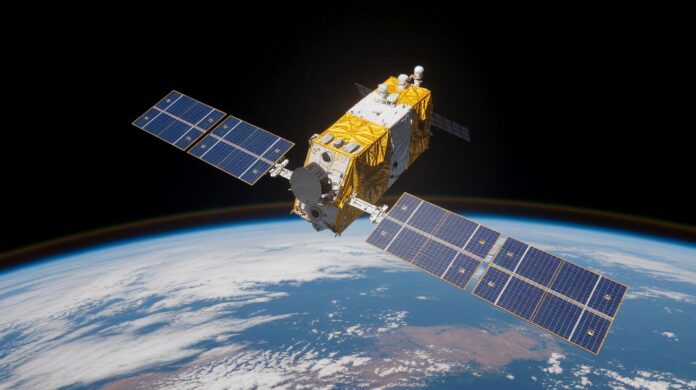
Ever wonder how weather updates get so spot on? Back in 2016, a satellite called go16 was launched, and it’s totally shifting our view of the skies. This cool piece of tech keeps an eye on our weather in real time, snapping super-clear images to help predict what’s coming next.
Imagine high-tech sensors working like a digital artist’s toolkit, they capture every little detail of clouds and storms. Basically, go16 makes it possible to offer precise forecasts that help communities get ready for extreme weather, keeping everyone one step ahead.
GO16 Satellite Mission, Launch, and Role in Weather Monitoring
Launched on November 19, 2016, on an Atlas V rocket, GOES-16 marked a major turning point in weather tracking. It's the first in the GOES-R Series and the 16th overall in the environmental fleet, quickly earning its reputation as the most advanced weather satellite in the U.S. Imagine a device that shows cloud patterns and storm systems in crisp, clear detail. Experts even predicted that its debut would boost forecasting accuracy in ways that impact millions.
Positioned in a geostationary orbit, GOES-16 keeps an eye on the Western Hemisphere's weather non-stop. This steady perch lets it capture high-resolution images and detailed atmospheric observations in real time. It’s like having a digital window into the dynamic world of our weather.
Weather agencies love its constant updates and precise measurements. Using state-of-the-art sensors, GOES-16 plays a key role in tracking everything from fast-moving nor’easters to evolving hurricane systems. It continuously monitors the atmosphere, ensuring that weather predictions are always backed by the very latest digital data.
- Consistent monitoring of changing weather conditions
- High-resolution images that sharpen storm tracking
- Reliable data feeds that power modern forecasting
GOES-16 isn’t just another NOAA satellite; it's a beacon of technological progress. By merging innovative design with thorough meteorological surveillance, it helps create safer communities everywhere.
GO16 Satellite Technical Specifications and Instruments
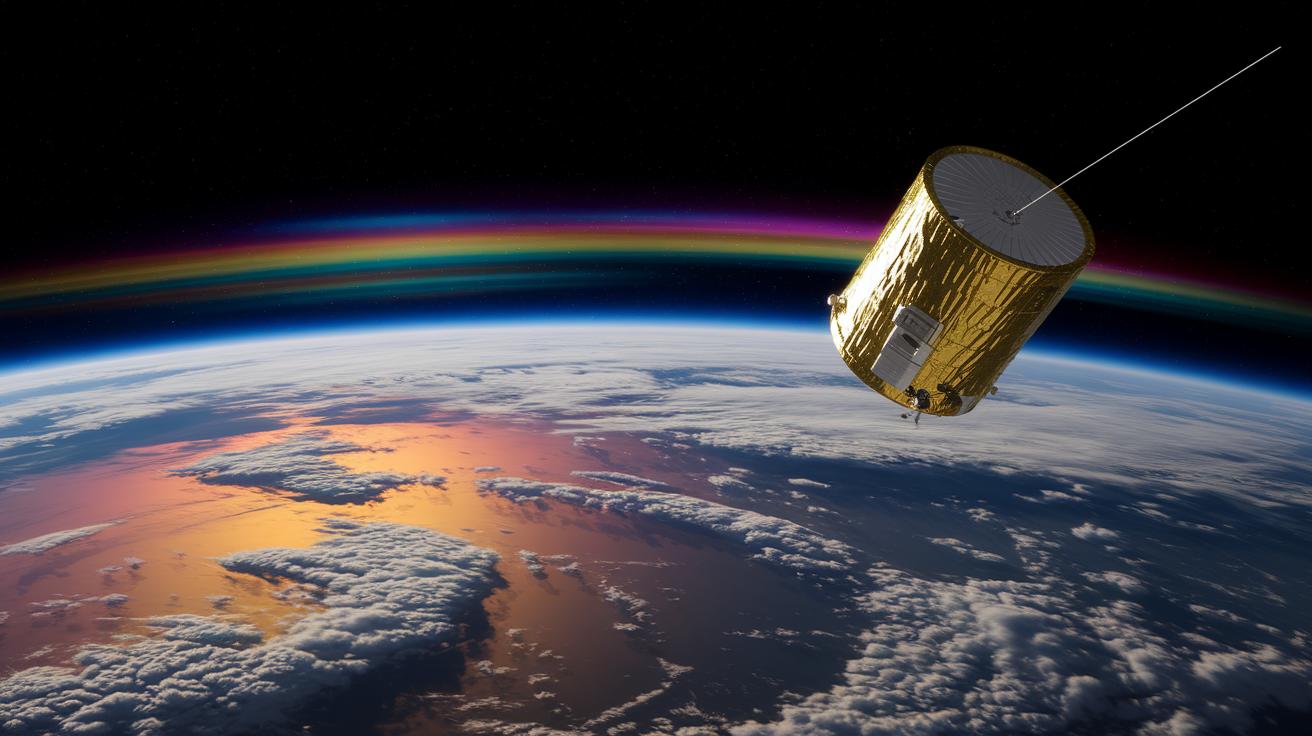
GOES-16 brings together a set of advanced tools that capture our planet in remarkable detail. Its star player, the Advanced Baseline Imager (ABI), works with 16 spectral channels. Think of ABI as an artist with a palette of 16 distinct colors, each channel highlighting a unique part of the atmosphere, like snapping different photos of nature.
The Solar Ultraviolet Imager (SUVI) adds a cool twist by capturing the Sun in six separate wavelengths. This helps us see solar activities clearly, almost like an artist emphasizing a burst of sunlight in a dynamic scene.
Then there’s the Space Environment In-Situ Suite (SEISS), which watches over charged particles around Earth. This tool gives us a heads-up on how shifting space weather might ripple through our atmosphere.
Floating in a fixed spot about 35,786 km above the equator, GOES-16 provides a constant view of weather patterns. And with NOAA’s ground team managing telemetry and command functions, its instruments stay perfectly on track, imagine a high-tech drone controlled with precision.
- Precision Earth imaging
- Solar activity monitoring
- Space environment data collection
GO16 Satellite Imagery and Data Products
GOES-16 changes the way we see weather. Its real-time images give us a front-row seat to nature’s dynamic display. One moment, you're catching a nor’easter on March 7, 2018 at 10:26 a.m. EST; the next, you're watching powerful storms come to life like a high-definition movie.
This satellite even recorded Category 4 Hurricane Irma on September 9, 2017 and zoomed in on Hurricane Harvey’s eye on August 25, 2017. These aren’t just eye-catching photos, they offer valuable data that helps meteorologists nail down forecasts. Think of the ABI’s 16 spectral channels (a tool that collects images in different wavelengths) as pieces in a digital mosaic that updates in real time.
But that’s not all. GOES-16 also churns out composite animations of weather events like the Bomb Cyclone and full-disk views during Hurricane Maria. By stringing together multiple snapshots, these animations show the weather’s evolution with ease. One standout moment was an Earth & Moon photo snapped on January 15 at 1:07 p.m. EDT.
- Full-Earth disk images for a global perspective
- High-resolution regional sectors for detailed local analysis
- Composite animations that capture evolving weather events
All these data products mix visual flair with crucial insights, giving forecasters the edge they need to monitor our ever-changing sky.
GO16 Satellite Impact on Meteorology and Forecasting
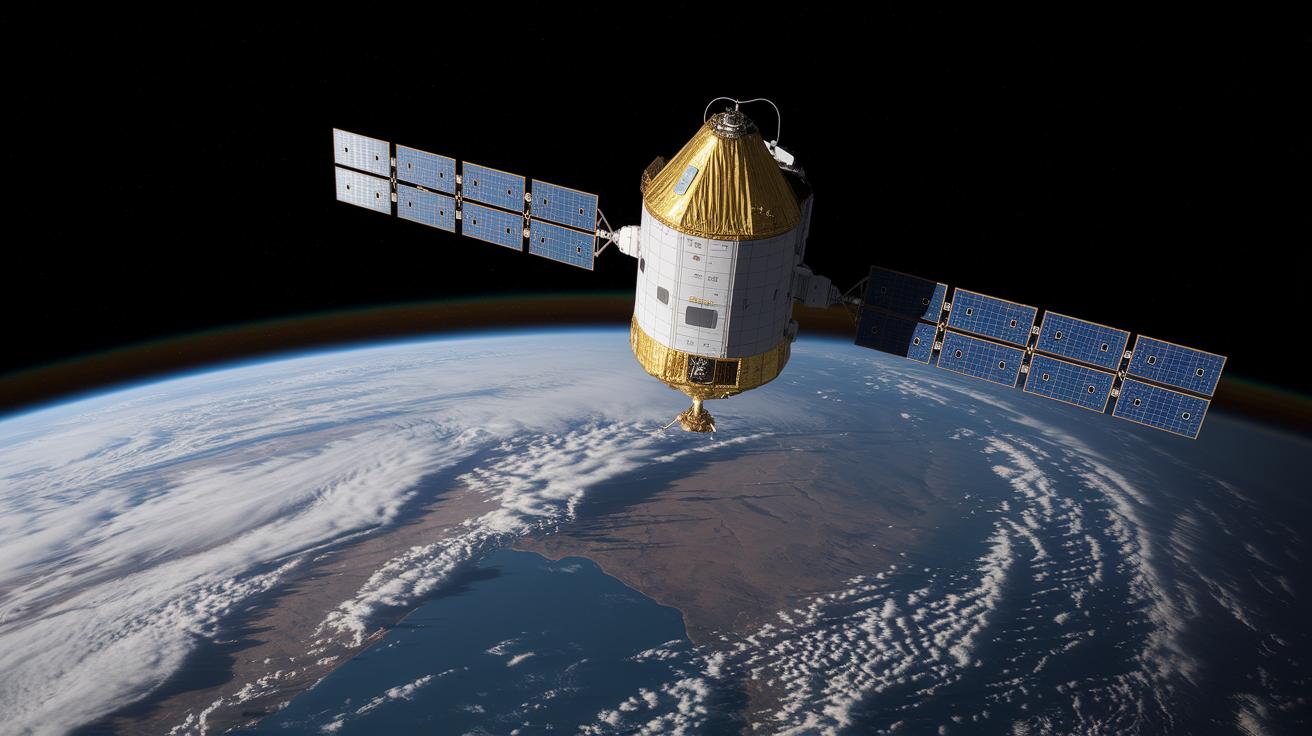
GOES-16 provides crisp, high-resolution images that completely change how we track fierce weather events, such as hurricanes and nor'easters. Its rapid updates let meteorologists observe storm systems as they evolve, almost like watching a digital movie frame by frame. Picture a forecaster saying, "Our data refreshed so fast, it was like having a live feed of the sky."
The satellite creates full-disk composites that power early-warning alerts and nowcasting, allowing weather agencies to act before critical changes occur. This constant stream of data feeds into forecasting models and boosts the accuracy of short-term predictions, a vital step in protecting lives and property.
GOES-16 also gathers atmospheric sounding data to produce detailed temperature maps and cloud-cover analysis. These insights uncover even the slightest atmospheric shifts that may signal severe weather. Imagine spotting shifting cloud patterns that trigger alerts, prompting communities to secure their outdoor activities.
Beyond storm tracking, GOES-16 plays a key role in environmental monitoring and managing weather risks. Its advanced imagery helps identify trends and assess the broader impacts of weather events. The blend of real-time data and cutting-edge imaging empowers meteorologists to issue timely warnings and fine-tune their forecasts with precision.
- Crisp, high-resolution images and rapid updates for storm tracking
- Full-disk composites that enable early warnings and nowcasting
- Detailed atmospheric data and advanced imaging to support risk management strategies
Beyond Weather: GO16 Satellite’s Environmental and Space Observations
We often see satellites as mere weather reporters, but GOES-16 is so much more. It keeps a friendly, watchful eye on both our environment and the space around us. Its Space Environment In-Situ Suite, or SEISS (a tool that tracks charged particles), works like an alert system. It lets us know when changes in space might mess with satellites or even power grids.
Then there’s the Solar Ultraviolet Imager, known as SUVI. This tool snaps pictures of the sun using several types of light. On January 29, 2017, SUVI captured a rare moment, a massive coronal hole in the sun’s southern half. Imagine the sun showing a surprising gap in its bright surface. That moment brought home how lively and ever-changing our closest star can be.
Closer to home, GOES-16’s detailed images help us watch over Earth too. They show subtle shifts like deforestation, helping scientists track climate trends and even spot potential disaster zones. It’s like having a digital snapshot that not only displays sprawling forests but also gently highlights places where trees are slowly fading away.
- Monitors charged particles and space weather with SEISS
- Uses SUVI to capture the sun’s dynamic light patterns
- Provides sharp imagery to watch environmental changes on Earth
This mix of space exploration and Earth observation makes GOES-16 an eye-opening tool. It gives us a window into both the vastness of space and the detailed changes happening on our planet.
GO16 Satellite Compared to Earlier GOES Platforms
Imagine upgrading from an old black-and-white TV to a high-definition display. GOES-16 brings you images with the same crisp quality you expect from modern 4K screens. This upgrade lets monitoring experts catch tiny atmospheric details that older systems often missed.
With improved spatial resolution and a wider range of spectral coverage, NOAA's go16 teams can now see more details in real-time weather checks. A meteorologist might even say, "The clarity in these images is astonishing!" In short, GOES-16 stands out with its advanced tech, making weather observations clearer and more reliable.
Final Words
In the action, this article showcased the go16 satellite's mission, technical specs, real-time imaging, and its role in weather forecasting and environmental monitoring. It painted a clear picture of how this impressive tool continuously tracks storms and space weather.
The post also compared it to earlier models, highlighting its modern advancements and ease of data handling. Overall, it leaves us excited about the ongoing impact of the go16 satellite on simplifying our digital insights.
FAQ
What is GOES-16 used for?
The GOES-16 satellite is used for weather observation and environmental monitoring. It gathers high-resolution imagery and atmospheric data to help forecast storm development and other weather changes.
What is the weather satellite GOES-16?
The weather satellite GOES-16 is an advanced U.S. tool that continuously monitors our weather. It delivers detailed Earth images and atmospheric observations to boost forecasting accuracy.
How far above Earth’s surface is GOES-16 located?
GOES-16 orbits approximately 35,786 kilometers (22,236 miles) above Earth. This geostationary position allows it to provide continuous, real-time observations of weather patterns.
Where can I view live GOES-16 satellite imagery and maps?
Live GOES-16 visuals, including images and maps, are available from trusted sources like NOAA Satellite Live, The Weather Channel, and Weather Underground, offering easily accessible, real-time weather updates.
What does the satellite function do on an iPhone?
The satellite function on an iPhone aids in emergency communication and location sharing when traditional networks falter. It is separate from GOES-16 and is designed to keep you connected when needed.
How does GOES-16 support agencies like the National Weather Service and National Hurricane Center?
GOES-16 supplies timely, detailed weather data that these agencies use to track storms, issue early warnings, and enhance decision-making during adverse weather conditions.

