Have you ever wondered if today's batteries could pack more punch than ever before? Our current battery technology just isn’t keeping up with the growing demands around us. Experts are rethinking the old lithium-ion approaches (lithium-ion: a battery type found in most gadgets) to come up with smarter solutions.
New designs are on the horizon. They promise to store more energy, charge up in a flash, and run much safer, without any extra heft. Imagine the soft hum of efficient systems powering our homes, cars, and devices, making our daily lives not only easier but also greener.
It’s an exciting time for battery tech. Let’s dive in and explore how these smarter battery systems are reshaping what’s possible.
Future Battery Tech: Energize a Greener Tomorrow
Global demand for batteries is soaring as electric vehicles and renewable energy systems drive the need for smarter energy storage. Today’s Generation 3a battery systems just aren’t hitting the marks we need for 2030. This shortfall has innovators reexamining 30 years of lithium-ion progress, sparking breakthroughs that boost how much energy batteries can hold, how long they last, and how safely they operate. Imagine fitting extra features into your slim smartphone, that’s like squeezing more energy into a battery without bulking it up.
Next, new energy storage tech zeroes in on three essential pillars. First is storage capacity, batteries must hold energy longer, which is a must for electric cars and solar or wind setups. Then there’s lifespan; by cutting down on wear and tear, batteries can reliably power our world cycle after cycle, helping to lower costs. Finally, safety improvements, like using better materials and smarter designs, protect against overheating during heavy use. In short, mixing advanced materials with clever engineering is creating batteries that support our growing need for clean energy.
By blending decades of lithium-ion expertise with fresh, innovative ideas, future battery tech is all set to power a greener tomorrow with energy storage that’s efficient, reliable, and safe.
Future Battery Tech: Performance Advances in Lithium-Ion Systems

We’re seeing a real revolution in how we power our gadgets and vehicles. Battery breakthroughs are now all about cranking up energy density, quick charging, and longer life, all while keeping things safe and reliable. Imagine your electric car charging to 80% in under 15 minutes; it's like supercharging your phone but on a much larger scale.
Right now, two main lithium-based chemistries lead the mass-market scene: LFP and NMC. LFP is loved for its wallet-friendly and steady power, while NMC is the go-to for high energy density. Researchers aren’t stopping there. They’re diving into new materials like solid electrolytes (think of these as leak-proof alternatives to liquid solutions) and silicon-based anodes to boost safety and reduce wear over time. Fun fact: energy densities could soon soar beyond 300 Wh/kg, a huge leap compared to older tech.
Innovators are setting some impressive goals:
| Chemistry/Material | Key Benefit |
|---|---|
| LFP | Cost-effective and reliable for everyday use |
| NMC | High energy density perfect for premium devices |
| Solid Electrolytes | Safer, leak-proof design |
| Silicon-based Anodes | Extended cycle life with over 2,000 cycles |
These tech improvements bring real-world benefits. Imagine charging in less than 15 minutes to get 80% power, less waiting, more action! Plus, better energy density means your battery lasts longer between charges. With innovations racing from labs to everyday products, lithium-ion systems are set to outdo our current expectations. It’s all about packing more power, speed, and durability into a smarter, safer battery.
Future Battery Tech: Promising Alternative Chemistries
Non-lithium alternatives are shaking things up in battery design, offering new solutions for our modern, tech-driven world. They’re built to meet rising power needs while keeping an eye on costs, energy density, and safety. And honestly, they shine in areas where classic lithium-ion systems might miss the mark.
-
Sodium-ion batteries use sodium instead of lithium in every key part of the battery, think anode, cathode, electrolyte, and separator. Set to launch after 2025, they boast lower costs and strong cycle life. This makes them a solid choice for stationary storage and even shorter-range electric vehicles.
-
Solid-state batteries switch out liquid salts for inorganic materials like oxides and sulfides, or even polymer electrolytes, which are safer. This tweak boosts safety by slashing the risk of leaks and overheating, and it paves the way for what many call fourth-generation battery cells.
-
Lithium-sulfur cells take a slightly different path by using sulfur in the cathode while still keeping a lithium-based anode. This approach pushes up energy density and reduces reliance on pricey metals like nickel, manganese, and cobalt, which means lower material costs.
When you break it down, each battery type brings its own strengths to the table. Sodium-ion batteries are a hit for affordability, perfect for large-scale, cost-sensitive projects. Solid-state batteries lead in safety, ideal when you need reliability without the worry of leaks or heat issues. And lithium-sulfur cells? They strike a neat balance between high energy output and lower costs, a big plus for gadgets where every bit of performance counts.
Ever wonder how a single innovation flips the script? A prototype sodium-ion cell, for example, once cut production costs so drastically, it turned heads all over the energy sector. Each of these innovative chemistries adds a unique gear to the machine, steering us toward a brighter, greener energy future.
Future Battery Tech Integration in Electric Vehicles and Grid-Scale Storage
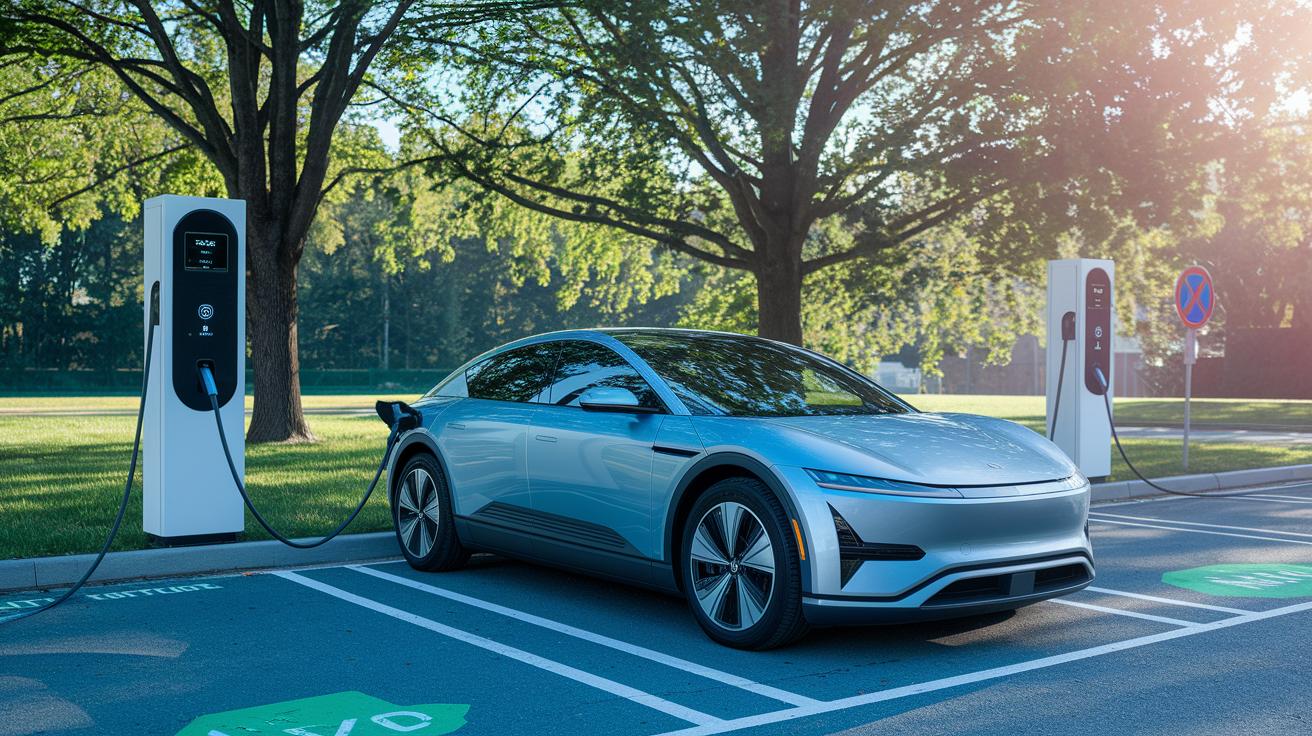
Electric cars need fast charging and lots of energy in a small space so you can travel farther without stressing about running out of juice. With cars today getting around 250-350 miles on one charge, long trips can be nerve-wracking. Recent breakthroughs in lithium-ion batteries, like boosting cell energy and cutting charging times, are changing the game. It’s all about getting you back on the road quickly and keeping that dreaded range anxiety at bay.
Grid-scale storage, however, has a different set of demands. These systems sit in one place and need batteries that last for years, even if they don’t pack the same power as those in electric cars. Thanks to pushes from plans like the European Green Deal, we’re seeing new battery types, like sodium-ion and flow batteries, taking center stage. They might not deliver a quick jolt like EV batteries, but they’re champs when it comes to long-lasting, steady energy.
| Application | Key Requirements | Applicable Tech |
|---|---|---|
| Electric Vehicles | High energy density, rapid charging, longer range | Lithium-ion, advanced solid-state cells |
| Grid-Scale Storage | Extended cycle life, cost efficiency, steady output | Sodium-ion, flow batteries |
When you compare the two, it’s clear that cars and big energy storage have different needs. Cars must hit that sweet spot of quick energy bursts and compact design for travel, while grid systems depend on long-lasting performance and steady output. These distinct challenges are driving creative efforts to blend solutions that can handle both rapid recharging for on-the-go vehicles and resilient performance for power grids. In a nutshell, each tech direction is paving the way for a future that’s cleaner, smarter, and more sustainable.
Future Battery Tech Sustainability and Recycling Strategies
Battery demand is skyrocketing, and it's turning the whole supply chain on its head. From the initial extraction of raw materials to breathing new life into retired modules, manufacturers are exploring eco-friendly options that save money and care for our planet. Techniques like water-based electrode coating and low-temperature sintering (a method that reduces heat use during production) are making battery manufacturing more energy-efficient and leaving a smaller carbon footprint.
On the recycling front, innovative cell recovery methods are reshaping sustainability. New approaches such as hydrometallurgical processes and direct-recovery methods (simple ways to pull valuable metals like cobalt, nickel, and lithium from used batteries) are reducing waste and keeping essential resources in circulation. These techniques are key players in a circular economy, boosting resource efficiency while cutting harmful emissions.
- Battery production now builds eco-friendly solutions into every phase
- Recycling methods reclaim valuable materials using hydrometallurgical and direct-recovery techniques
- Sustainable manufacturing processes, including water-based methods, lower the carbon footprint
- Circular economy strategies strengthen the long-term sustainability of battery systems
Together, these sustainable practices and recycling breakthroughs are paving the way for a greener, safer future in battery technology. They not only meet tomorrow's energy demands but do so without weighing down our environment.
Future Battery Tech Market Forecasts and Commercialization Pathways
Europe’s team-up in research is setting the scene for an exciting jump ahead. Horizon Europe projects are busy rethinking lithium-ion cells with solid electrolytes and silicon anodes, and they're aiming for a market debut by 2030. Meanwhile, sodium-ion batteries are already gaining steam, with experts predicting they'll capture around 10% of the stationary storage and limited-range EV markets by 2027. Essentially, this dual approach shows that battery tech is ready to hit large-scale production while reshaping pricing norms.
Market forecasts suggest the battery industry could top $150 billion by 2030. Manufacturers are now laser-focused on keeping costs under $100 per kilowatt-hour for automotive uses. This push for cost efficiency is sparking efforts to scale up production and tighten supply chains. Government support and targeted R&D investments are key drivers in this shift.
Key strategies include:
- Streamlining production methods to ramp up output and cut costs.
- Investing in research to confirm commercial viability.
- Using government R&D funds as a launchpad for fresh innovation.
Solid-state batteries, which promise enhanced safety and performance, are scheduled to hit the scene after 2025. With ongoing research into advanced materials and more efficient production tactics, we're laying a solid foundation to transform the global energy storage market. With these data-backed forecasts and smart investments, next-gen batteries are ready to power a new wave of tech breakthroughs and economic balance.
Final Words
In the action, we explored crisp insights on energy storage breakthroughs. We saw how lithium-ion performance is stepping up while alternative chemistries offer new ways to power our devices. We also looked at how electric vehicles and grid-scale applications are benefiting from these shifts. Sustainability, recycling, and market forecasts add depth to this conversation, highlighting an exciting path forward. Embracing future battery tech brings remarkable energy solutions that feed innovation and spark optimism for a sustainable digital evolution.
FAQ
What is the next battery technology?
The next battery technology focuses on transitioning from standard lithium-ion designs to innovations like sodium-ion, solid-state, and lithium-sulfur cells, which aim to boost energy density, lifespan, and safety.
Is battery tech getting better and what is the future of the battery industry?
Battery technology is evolving rapidly. Next-generation designs promise faster charging, improved energy capacity, extended cycle life, and greater safety, addressing both consumer and grid-scale energy storage needs.
What new battery technology is replacing lithium?
New developments explore alternatives to lithium by using sodium-ion and solid-state chemistries. These designs offer cost efficiency, enhanced safety, and longer lifespans to meet increasing energy demands.
What are the most talked-about future battery tech companies and news trends?
Discussion often centers on companies refining lithium modifications and exploring sodium-ion and solid-state options. News outlets and forums highlight their breakthroughs and strategic market approaches.
What should investors know about future battery tech stocks?
Investors should look at stocks focusing on higher energy density, rapid charging, and low-cost production. Such companies target segments like electric vehicles and grid storage for competitive market growth.
What battery breakthrough did Elon Musk introduce?
Elon Musk has pointed to battery improvements aimed at higher energy density and shorter charging times. His work supports Tesla’s efforts to extend range and boost safety for electric vehicles.

