
Ever wonder if digital control systems might completely change how industries operate? These systems use sensors to pick up real signals from the world and then transform them into digital snapshots using ADCs (devices that turn everyday signals into numbers). This process, called quantization, lets the system instantly adjust to what’s happening in real time.
Imagine a tiny digital referee that continuously checks, compares, and corrects the flow of data for better accuracy. In this post, we'll explore how these smart digital steps spark industrial innovation and push automation to a new level.
Core Principles of Digital Control Systems

Digital control systems rely on digital processors to transform continuous sensor signals into digital data, forming the backbone of digital automation and system regulation. They use analog-to-digital converters (ADCs – devices that turn real-world signals into numbers) to take snapshots of input signals at set time intervals so that even small changes are noticed. During this conversion, the process rounds values into a digital format, a step we refer to as quantization. Even though rounding can lose tiny details, system regulation techniques keep the accuracy reliable.
Discrete-time controllers then get to work on these snapshots in real time. They constantly compare what you want with the actual digitized values and make adjustments using modern feedback theories (guidelines that help systems self-correct by updating parameters on the fly). Imagine a temperature controller that checks room conditions every second, converts the readings to numbers, and then uses a mix of control methods to adjust heating levels. Cool, right?
By keeping digital automation fundamentals and system regulation principles in mind, engineers can build systems that are both precise and predictable. Signal sampling, quantization, and feedback loops join forces to create a closed-loop system that often outshines older analog methods. This digital approach makes it simpler to integrate with programmable devices, offers more flexible control strategies, and enhances long-term stability.
- They guide sensors to capture signals in clear, timed snapshots.
- They lay the groundwork for using ADCs (which convert analog signals to digital) and DACs (devices that convert digital signals back to analog).
- They ensure data is translated into a precise digital format.
- They inspire the design of controllers that adapt in real time.
- They help pinpoint and correct errors as soon as they appear.
- They drive quick adjustments based on real-time feedback.
- They foster robust feedback loops that refine control accuracy.
- They boost overall system resilience and performance.
- They counteract the effects of quantization to keep data trustworthy.
- They merge hardware and software seamlessly.
- Modern feedback theories offer clear guidance for adaptive, corrective measures.
Digital control systems blend meticulous digital processes with steady regulatory oversight. This approach shows how digital automation fundamentals, system regulation principles, and modern feedback strategies work together to deliver high-performance, reliable control.
Digital Control System Architecture and Key Components
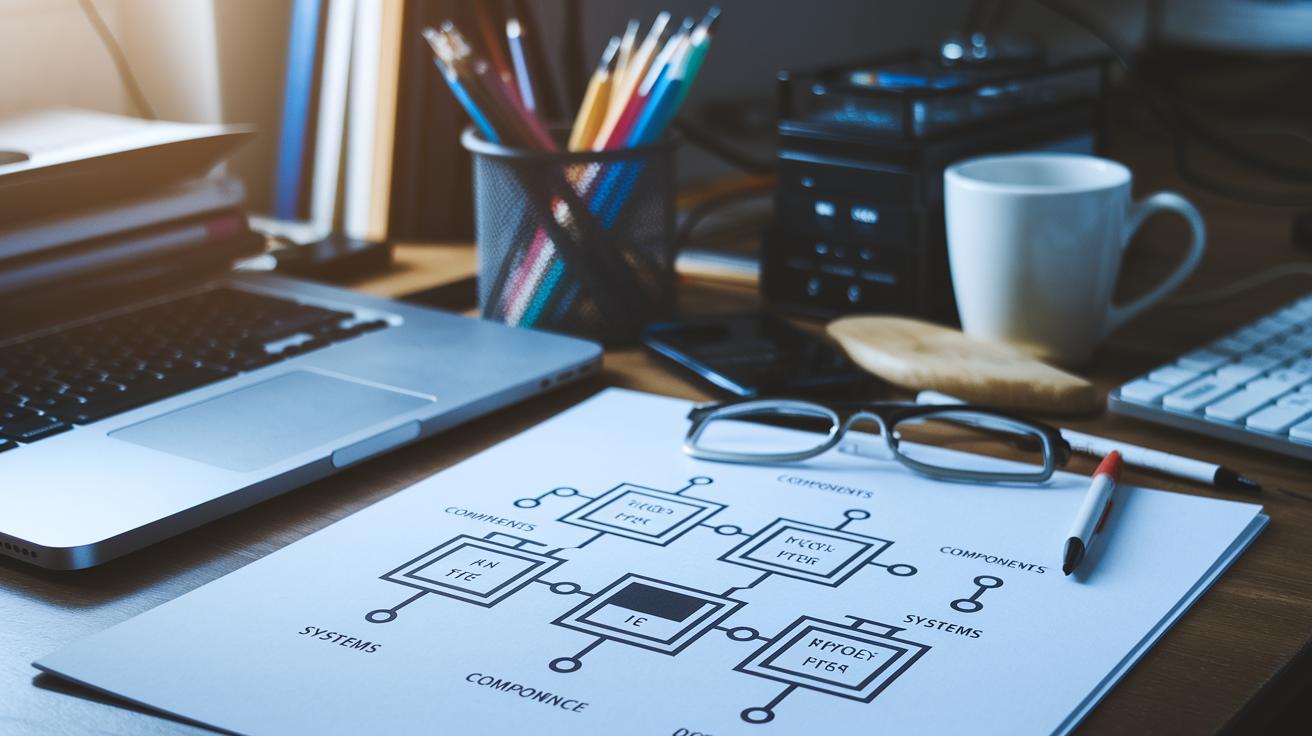
Digital control systems rely on a block diagram that clearly maps out how each part works together. At the center is the control unit design, which brings multiple components together to form a fast, dependable feedback loop.
The process starts with ADCs and DACs. ADCs, or analog-to-digital converters, transform real-world signals into digital numbers. Then, once the controller processes these numbers, DACs (digital-to-analog converters) switch them back to signals that physical devices can use. It’s like translating spoken words into text and then back into speech, every step is precise.
Next, the microcontroller or DSP comes into play. Think of this as the brain of the system, a small computer chip that processes signals quickly, similar to a coach issuing plays during a fast-paced game. These chips run embedded automation, making decisions in real time without waiting for external input.
Sensor interfaces and actuator drivers connect all the instruments and devices to the control unit. Sensor interfaces collect data, while actuator drivers deliver commands to adjust machines or processes. They communicate using protocols, rules that ensure digital data moves reliably from one part to another, much like coordinating signals at a busy airport for safety and efficiency.
Wow. Isn’t it cool how every component works together so seamlessly?
Algorithmic Techniques in Digital Control Systems

Digital control systems use a mix of algorithmic techniques to run modern industrial processes smoothly. A key method is discrete-time PID, which stands for Proportional-Integral-Derivative, a tool that adjusts system behavior by checking mistakes and correcting them. In other words, advanced PID design works by comparing a target value to the current output and then tweaking the system input using three parts: proportional (responding to the current error), integral (adding up past errors), and derivative (predicting future trends). Imagine tuning a digital actuator that lessens unwanted fluctuations by using this smart approach. It really shows off the practical power of these ideas.
Engineers often rely on controller tuning methods like Ziegler Nichols and gain scheduling to fine-tune these adjustments. These techniques help them set gain values that strike just the right balance between a quick reaction and steady, reliable performance. In essence, steady use of these methods makes sure that systems hit their performance marks as they adapt in real time.
Precision algorithm development is another cornerstone. This step embeds control logic right into the firmware so that embedded software can react super fast to changes. That means every command is processed accurately, keeping things running with minimal overshoot or delay, even when conditions shift unexpectedly.
Engineers build even better solutions by mixing multiple layers of tuning methods with advanced PID designs. When you combine precision algorithm development with smart regulation strategies, you get systems that are both quick to react and tough enough to handle real-world challenges. This blend is vital in busy industrial setups, ensuring everything from stability to high efficiency. Think of it as a seamless team effort where advanced PID design, tuning techniques, precision coding, and dynamic regulation work together to power digital control systems.
Even a factory control setup uses this mix of smart design and tuning to optimize production processes, proving time and again that these methods make a big difference on the shop floor.
Loop Stability Analysis and Optimization in Digital Control Systems

In digital control systems, having a reliable setup that can fix itself is a must. Engineers use tests like the Digital Nyquist and Jury tests to check if a system stays steady when conditions change. For example, with the Digital Nyquist test, you look at the system's frequency response, basically how it reacts at different speeds, and see if it loops all the way around the point (-1, 0). When it does, that's a sign the system is stable.
Root locus plots work in the z-domain, which is simply a way to study the system's behavior in steps. Think of it like adjusting your radio: as you turn the gain up, the key points (or poles) move around, helping you avoid overshoot and keep errors in check.
Loop optimization is all about fine-tuning. Engineers adjust settings like proportional, integral, and derivative controls (PID controls help balance quick reactions with smooth responses) to find that perfect mix where the system responds fast but doesn't overreact. It’s like finding the ideal volume on your favorite device.
These tuning strategies improve error correction too, so the controller can quickly address any gap between the desired outcome and what is actually happening. Adding lead-lag elements, simple tweaks that help smooth out changes, can calm any unwanted oscillations in the system.
| Aspect | Benefit |
|---|---|
| Stability Analysis | Keeps systems steady and reliable |
| Loop Optimization | Ensures quick yet controlled responses |
| Error Correction | Resets deviations smoothly |
| Performance Tuning | Aligns all settings for optimal function |
By blending these digital tests, z-domain plots, and clever tuning methods, engineers build feedback loops that work like finely tuned instruments, precise and ready for any challenge.
Modeling and Simulation Environments for Digital Control Systems

Simulation plays a huge role in crafting digital control systems. It’s like having your own virtual lab where you can experiment and tweak designs without the hassle of physical trials. Tools such as MATLAB/Simulink let engineers set up discrete-time processes by simply entering system parameters and testing outputs in scenario-based simulations. Imagine it as a digital workshop where every small change gives you a new insight.
LabVIEW is another gem in this space. It offers a visual way to program simulations, which is perfect for those who aren’t huge fans of coding. And then there’s Modelica, which uses an object-oriented approach (that’s just a fancy way of saying it models problems by relating objects and their actions) to build models that mirror complex interactions among components.
Engineers rely on these simulation tools to validate control algorithms before putting them into real hardware. They run tests under a variety of conditions, spotting and fixing issues early on. This process helps tune the controller’s logic and boosts overall performance. In essence, testing in a simulated environment not only sharpens the system’s response and stability but also saves time and resources in the long run.
Software Maintenance and Update Strategies in Digital Control Systems
Keeping your software fresh and updated is key to running your digital systems reliably. One smart move is to plan regular firmware upgrades. When it’s time for an update, engineers set a maintenance window so everything pauses briefly before coming back online. For example, DigiTrak LWD users need to upgrade to version 4.6 by June 30, 2025 to keep map features and satellite images working smoothly. This shows just how important timely updates are.
Regular updates don’t just add new features, they also boost security and system stability. Engineers use process monitoring to watch performance and catch any glitches right away. And if something goes wrong, rollback strategies let them quickly revert to a known stable version. It’s like having a backup plan ready before making any changes.
Supervisory automation protocols also play a big role. They help control when and how updates happen so that main functions stay up and running during maintenance.
| Tip | Description |
|---|---|
| Schedule During Quiet Periods | Plan firmware updates when system activity is low for minimal disruptions. |
| Monitor Performance | Keep an eye on system performance before and after each update to catch issues early. |
| Prepare Rollback Procedures | Have a safe, reliable backup plan to revert changes quickly if needed. |
Practical testing in simulated environments is another smart step. It verifies that all changes will work without disrupting operations, keeping your system safe and continuously available.
Industry Case Study: Digital Control Systems in Air Quality Sensors
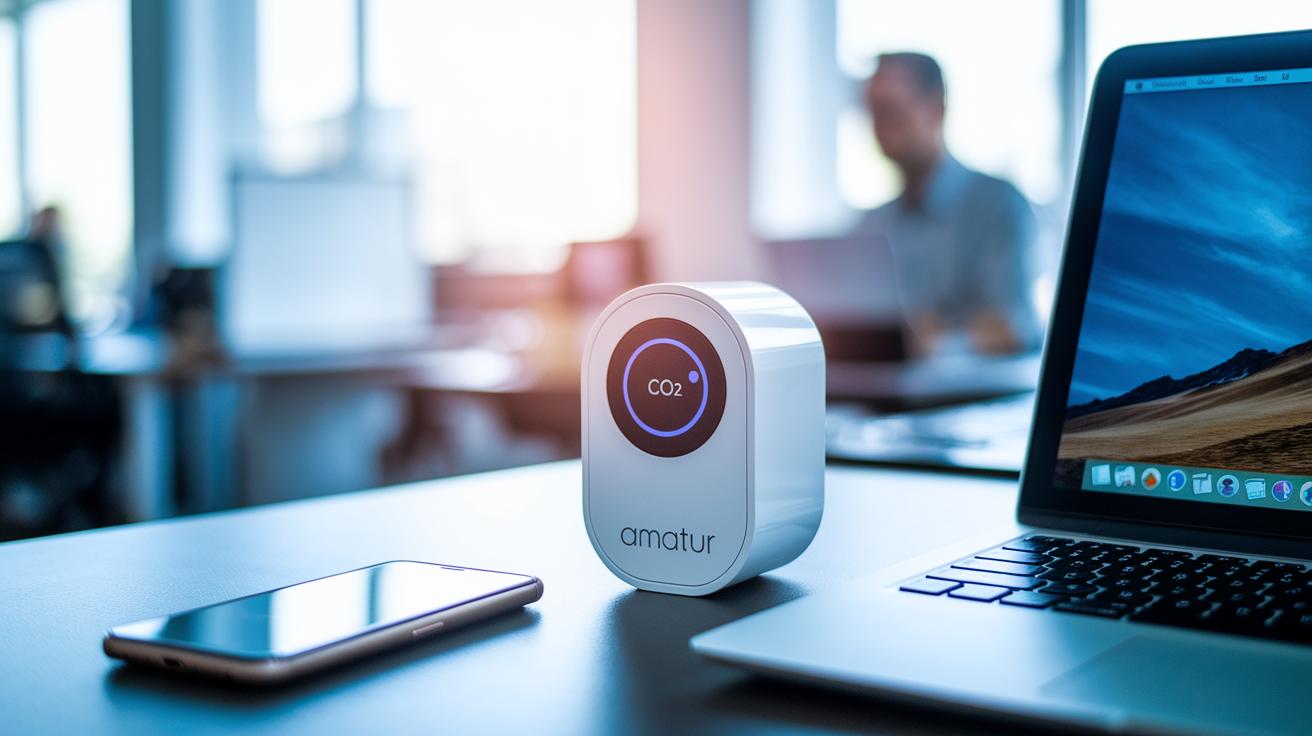
Modern control-sensor products show how digital systems can keep air quality monitoring precise and automated. Take the AirSense™ Model 315 ULP CO2 sensor, for example. It's a tiny powerhouse with a dual-beam design and stands only 0.28 inches tall. Thanks to its patented AdaptiveSense™ Technology, which means no more field calibration, it delivers accurate, stable readings right out of the box. Imagine a sensor this small beating bigger, more complex ones without any manual recalibration. Amazing.
Digital controllers get a major boost from these sensors. They offer selectable outputs like 0–5 V, 0–10 V, and 4–20 mA, making the sensor-to-controller connection seamless. This setup lets process engineers add digital control algorithms with little hassle, ensuring real-time data flows smoothly across industrial systems.
Then there’s the Model 308, a cost-effective NDIR CO2 sensor that’s ideal for energy management. By working with economizers, it conditions air only when necessary, which cuts down on energy use and lowers costs. On the flip side, the Model 350 stands strong with its robust CO2 sensing and adaptive tech, giving you enhanced versatility and reliability.
Other advanced instruments in the lineup pack extra safety features and functionality. They include sensors for carbon monoxide (CO) and volatile organic compounds (VOCs), temperature probes, motor speed controllers, optional audible alarms, RH sensors, and LCD displays. Together, these features offer a full package for comprehensive monitoring solutions.
Digital Control Systems also embraces best practices in process automation. They integrate sensors smartly and follow strict safety instrumentation standards. Their dedication to sustainability is clear in initiatives like using recycled packaging and providing custom design services for special control needs.
- Seamless digital integration
- Enhanced process automation
- Environmentally responsible product design
In essence, this case study shows how modern digital control systems drive better sensor integration and operational efficiency, even in the most challenging industrial environments.
Comparative Analysis of Digital Control Systems vs Analog Control Systems
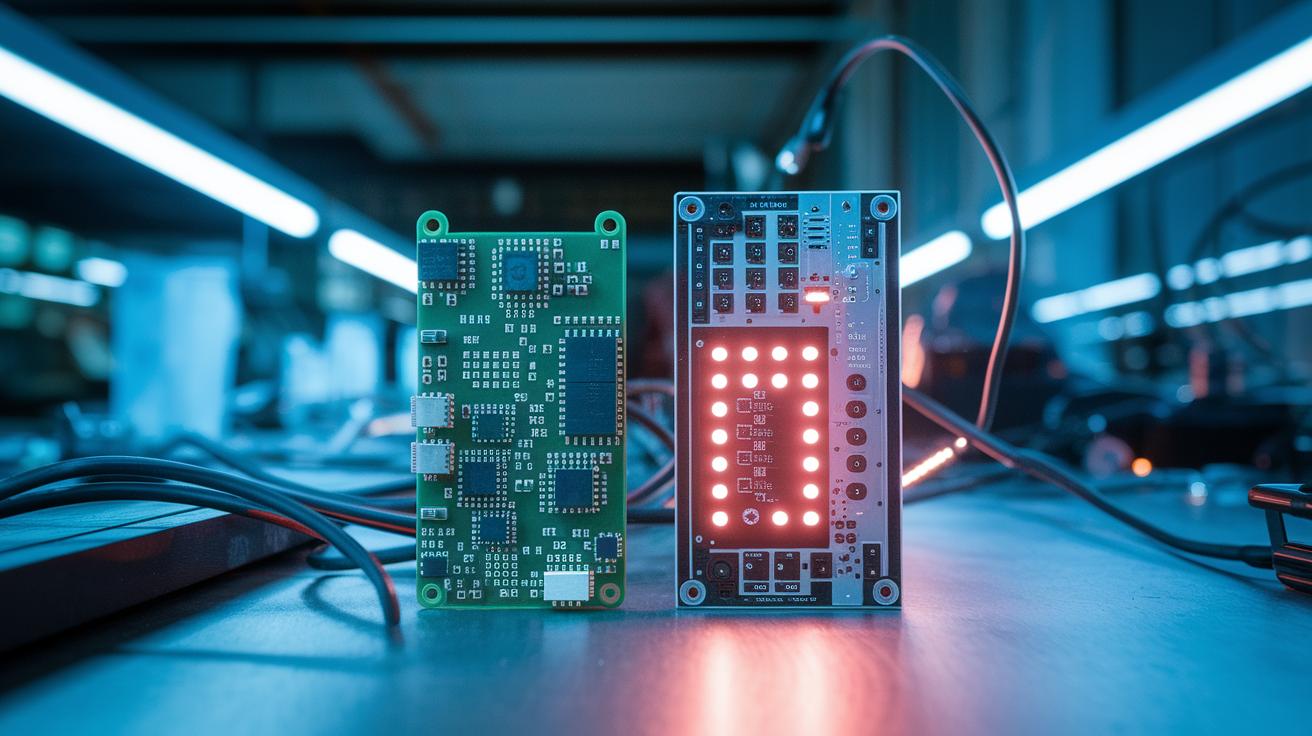
Digital systems sample signals at set moments, while analog systems keep an uninterrupted, continuous eye on every change. The table below lays out some key differences like how they sample, their precision, how adaptable they are, and what kind of upkeep they need.
| Aspect | Analog Continuous-Time Regulation | Sampled-Data Digital Control |
|---|---|---|
| Sampling Method | Processes signals continuously | Takes timed snapshots |
| Resolution | High inherent precision | Depends on ADC accuracy (an ADC is a device that converts analog signals to digital data) |
| Adaptability | Performance stays fixed | Easily updated with new software |
| Maintenance | Often needs hands-on adjustments | Self-check features simplify care |
| System Complexity | Simpler circuits | Includes integrated hardware with programmable logic |
Digital controllers excel by offering real-time adjustments that get logged automatically, making it a breeze to monitor performance. Sure, analog systems are known for their precision, but they don’t keep up as well when conditions change. With digital methods, engineers can tweak settings without overhauling the hardware, which means fewer on-site fixes and smoother long-term management.
Think of it this way: digital systems work like a series of clear, timed snapshots that help guide smart decisions, while analog systems stream data continuously, much like a live video feed. Both setups have their strong points, but digital control systems definitely win when it comes to flexibility and easier maintenance.
Final Words
In the action, we explored how digital control systems work, from processing sampled signals to fine-tuning feedback loops. We broke down system components, discussed signal conversion, and outlined digital algorithms that bring precision to tech setups. Each section painted a clear picture of how modern systems regulate and adapt. Working through real-world examples, we saw how software updates and case studies bring these theories to life. The future looks bright with digital control systems steering us toward smoother, smarter tech.
FAQ
Digital control systems pdf
The digital control systems pdf provides detailed academic resources that explain fundamental concepts, illustrated with diagrams and sample algorithms, making it a valuable reference for understanding digital regulation.
Digital control systems examples
The digital control systems examples showcase designs that integrate ADCs, microcontrollers, sensor interfaces, and simulation tools, demonstrating real-world applications in industrial process control and environmental monitoring.
Digital control systems book
The digital control systems book covers core concepts, system architectures, and practical algorithms, offering comprehensive insights into how digital controllers operate, and includes case studies to illustrate theoretical principles.
Digital control systems course
The digital control systems course teaches discrete-time controller design, stability analysis, and algorithm implementation while using hands-on exercises and simulations to build a practical understanding of digital regulation.
Digital control systems list
The digital control systems list compiles various system components and applications, detailing key elements like microcontrollers, sensors, and communication protocols, which are essential for reliable and precise control.
Digital Control Systems, Inc
Digital Control Systems, Inc is a company that delivers advanced regulation solutions, integrating state-of-the-art digital controllers and sensor interfaces to provide efficient, automated process management in industrial settings.
Digital control system by Ogata PDF
The digital control system by Ogata PDF refers to a well-known educational document that explains digital control theory, including system modeling, design approaches, and stability techniques, authored by a respected expert.
Digital controller in control system
The digital controller in a control system processes sampled signals and applies discrete algorithms to adjust outputs, ensuring the system responds accurately and maintains stability through continuous feedback adjustments.
What is the digital control system?
The digital control system is an automated setup that samples inputs, processes them using discrete algorithms, and adjusts outputs accordingly, delivering precise control over processes through digitally managed feedback loops.
What is the difference between PLC and digital control systems?
The difference between PLC and digital control systems is that PLCs are rugged industrial computers designed for automation, while digital control systems use precise algorithms and feedback loops for finer control adjustments.
What are the three main types of control systems?
The three main types of control systems are open-loop, closed-loop, and hybrid systems, which vary based on the presence and type of feedback used to regulate outputs during operation.
What are some examples of control systems?
Some examples of control systems include HVAC regulation setups, automation in manufacturing lines, and sensor-integrated environmental monitors, each using feedback loops and digital processing to maintain consistent performance.

