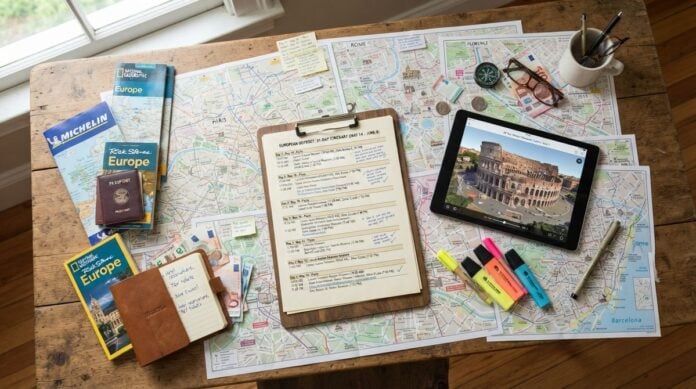
Business travel rewards the people who arrive prepared, yet many managers still pack the same bag they used on their very first trip. Over time, a handful of well-chosen items can save hours of stress at airports and hotel check-ins. The trick is to separate true essentials from the clutter that gets carried home unused. A good kit covers the basics of comfort, documents and power, and it leaves room for everything else.
The guidance below is general and meant to help a team lead build a sensible routine for staff who travel for meetings, trade shows or client visits. Each section looks at one part of the journey, from the carry-on bag to the hotel room. Read it as a starting point, then adjust the list to match the kind of trips your team takes most often. A kit that fits the real schedule is far more useful than one copied from a generic checklist.
Carry-On Essentials for Frequent Trips
A carry-on bag should hold everything needed for the first day of a trip, including medication, a change of shirt and a compact toiletry set. Choose a bag that fits the overhead bin size of common airlines, because checked luggage adds waiting time at both ends of the journey. Keep a folder with printed copies of bookings, meeting schedules and emergency contacts in case a phone battery fails at the wrong moment. Readers may also want to visit fantasycongress.us. Leave heavy shoes and bulky cosmetics at home, since they add weight without adding much comfort. A second pair of shoes worn on the flight is often enough, and it keeps the main bag light for the walk through busy terminals.
Planning Tools for Itineraries and Bookings
A shared itinerary helps a team see flights, hotels and meetings in one place, which avoids the scramble of forwarded emails the night before a departure. Set up a single shared calendar for each trip, with time zones clearly marked for every city on the route. You can also visit cookiebot for more reading. Use a basic notes app to record flight numbers, confirmation references and the contact name for each hotel, and keep one copy in a shared folder. Avoid complicated booking platforms with features nobody on the team will ever use, because training time is wasted on them. A single agreed tool, used the same way by everyone, makes it easy to check who is flying where on any given day.
Chargers, Adapters and Connectivity Basics
A universal travel adapter and a compact power bank keep phones, laptops and tablets running through long delays and unfamiliar sockets. Pick a charger with enough output for two devices at once, and check its label for the plug types used at your destinations. Sort the cables into a small pouch so that nothing is left behind at a gate or on a train seat. For a related read on this site, see A Tidy Small Office Setup Built on Simple. Skip specialty converters for appliances the trip does not really need, because hotels often provide hairdryers and irons on request. Carrying only the adapter that matches the most common plug types keeps the bag lighter and avoids confusion at the airport.
Packing Organizers That Actually Help
Packing cubes make it easier to separate clean clothing from items that need washing, which keeps a suitcase tidy across several cities. A lightweight garment bag protects suits and blouses from creases during crowded train rides and taxi trips. Small zip pouches for chargers, pens and medication stop loose items from scattering across the hotel desk. Choose organizers in neutral colors so that the whole team’s bags look similar at the airport and can be recognized quickly on the baggage carousel. Replace any organizer that tears or loses its zip, because a broken one tends to slow down the next packing session. Keeping spare zip pulls and a small repair kit in the main pouch helps the team fix small problems on the road.
Gadgets and Luxury Extras to Skip
Heavy neck pillows and oversized travel blankets take up valuable space and are rarely used once the flight is over. Expensive noise machines and large portable speakers often add weight without solving the real problems of sleep or meeting preparation. Multiple backup phones and tablets create extra devices to charge and secure, which is seldom worth the trouble for a short trip. Costly suitcases with built-in scales and tracking lids can be replaced by a plain bag and a luggage tag with clear contact details. Save the money and let the carry-on do its job well. Spending less on extras leaves more room in the budget for a comfortable hotel.
Pack Light and Review Regularly
After each trip, ask the traveler to note which items went unused, and remove those from the standard kit before the next departure. A short review keeps the list honest and stops the bag from growing heavier over time. Lighter packing also makes the whole team quicker to move between airports, hotels and meeting rooms.

