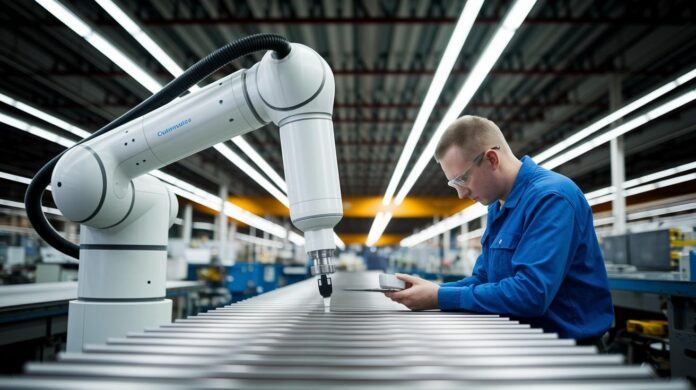
Ever wonder if making things can be both safe and efficient? Today's collaborative robotic arms are a real game changer. They never get tired, so production runs smoothly while reducing the risks of injuries.
These smart machines check their own performance in real time, meaning they catch mistakes and ramp up precision. Studies even show big improvements on the production floor. In short, their nonstop, careful work is leading us to a future where manufacturing is both smarter and safer.
Key Benefits of Collaborative Robotic Arms for Safety, Efficiency, and Productivity
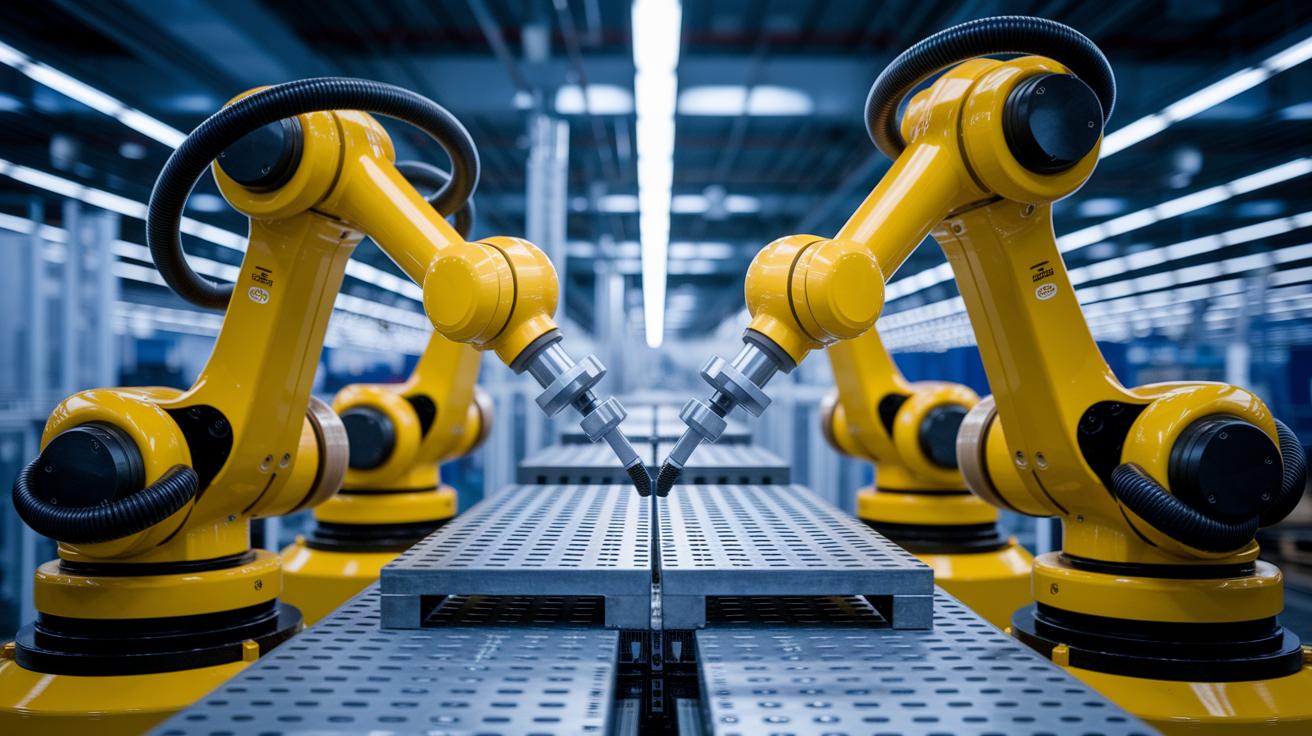
Collaborative robotic arms are shaking up the production floor by working non-stop and bringing built-in safety to the mix. They run 24/7, which means manufacturing stays smooth and efficient without the tired mistakes you often see with manual work. Studies even show a 30% boost in palletizing and a twofold increase in precision cycles. Wow.
What makes them really cool is their ability to keep quality high while the line never stops. They use real-time data capture (basically automated check-ups on performance) to monitor processes and help fine-tune production, all while keeping detailed logs that back up compliance.
- Continuous operation means higher throughput
- Steady process consistency and top-notch quality control
- Real-time data capture for ongoing optimization
- Safety features that cut down injury risks by limiting force
- Automation that slashes labor costs on repetitive tasks
- Flexibility to switch between different tasks easily
In essence, these robotic arms offer a smart mix of safety, efficiency, and productivity. They free up your team from mundane tasks and minimize errors while gathering key insights to boost your process further. With their round-the-clock operation and advanced safety gear, they not only cut down workplace injuries but also lift overall production rates and ROI, making them a truly smart choice for modern manufacturing challenges.
Enhanced Human-Machine Synergy with Collaborative Robotic Arms

Collaborative robotic arms are built with smart sensors and safety features so they can work right alongside people. They come with torque-sensing joints and collision detection that help them notice unexpected contact and adjust their movement on the fly. Imagine a robot that senses your hand and immediately slows down without needing a bulky safety cage.
Setting these arms up is super easy too. With intuitive tools like teach pendants and hand-guiding, even someone who isn’t a tech expert can have the robot up and running in under an hour. You simply guide the robot through the task, and it records every move to create a repeatable, automated process.
This smooth mix of human intuition and robotic precision frees up your team to tackle more creative and strategic projects. While the robots handle the repetitive, precise work, you can focus on tasks like quality checks or process improvements. By blending human insight with smart automation, manufacturers can boost both efficiency and reliability, creating a work environment where everyone can shine.
Flexible Integration and Cost-Effective Automation with Collaborative Robotic Arms
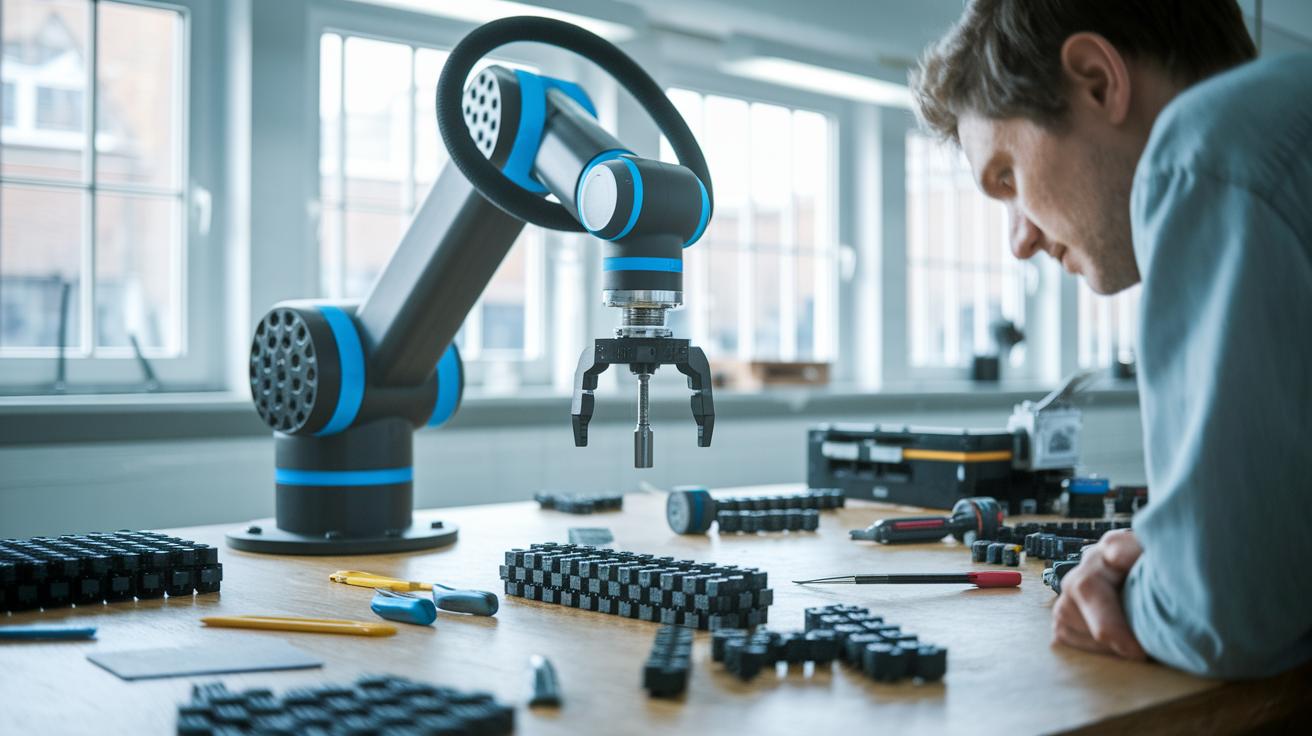
Collaborative robotic arms, often called cobots, are a smart, budget-friendly choice compared to older industrial robots that usually cost over $100,000. You can typically pick one up for between $30,000 and $65,000, making it easier for companies to step into automation without overspending. It’s a win-win that boosts production while keeping finances in check.
These cobots are built to be easily moved around. Their modular design and reprogrammable features mean you don’t have to overhaul your entire factory floor. They switch between tasks in no time, letting companies change their setup on the fly with minimal fuss.
The best part? Training on these systems is a breeze. Thanks to intuitive programming and user-friendly interfaces, workers learn the ropes quickly, cutting both time and costs. Routine upkeep is simple too, which means less downtime and lower repair bills, freeing up staff to focus on more important tasks.
Small and medium-sized businesses can especially benefit from this flexible integration. Cobots can be relocated, reprogrammed, and scaled up as production needs change. In essence, they make manufacturing more cost-effective while keeping operations agile in a competitive market.
Safety Improvements and Risk Mitigation through Collaborative Robotic Arms
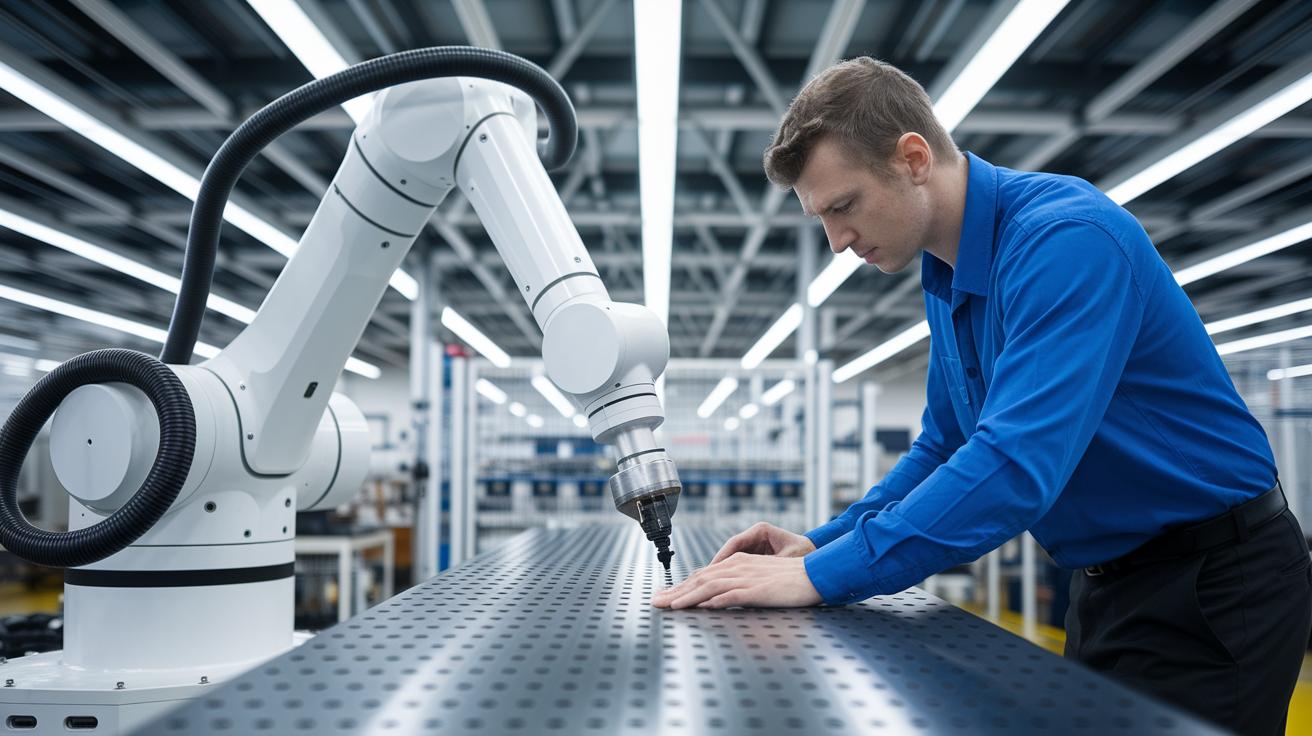
We’ve streamlined our safety approach. Instead of a separate section, essential safety details, like automated safety logs that make audits and regulatory checks simpler, are now part of our key benefits and the enhanced human-machine synergy sections.
This integrated method not only simplifies compliance but also strengthens the connection between human expertise and robotic precision, keeping operations safe and efficient.
Industry Applications and Case Studies of Collaborative Robotic Arms

Collaborative robotic arms are changing how factories work by making operations smarter, safer, and more efficient. When these smart machines join the production line, you see fewer mistakes and faster processing times. They help create workspaces where accuracy and steady performance go hand in hand, leading to better overall results.
Automotive Applications
In car manufacturing, these robotic arms carefully check parts and put them together with high accuracy. They use advanced sensors (tiny devices that pick up signals and details) to spot even small flaws, cutting defects by 40%. For instance, they catch problems that might slip past human eyes, keeping every piece up to strict quality rules. This sharp focus not only smooths out the process but also helps reduce costly recalls.
Electronics Assembly
When it comes to putting together electronic gadgets, these robots are amazingly quick at picking and placing tiny parts. They deliver a 25% drop in rework because their actions are both fast and super precise. Their consistent motion, like the soft hum of a busy server room, means every circuit board gets built just right. This speed and accuracy lighten the load on production teams and keep devices running perfectly.
Packaging and Palletizing
In packaging lines and palletizing tasks, robotic arms show off their flexibility. They cut cycle times by 20% on bottling lines and boost pallet-packing speed by about 30% with well-coordinated moves. The result is smoother, error-free processes that speed things up and reduce the need for extra manual labor. This efficiency gives manufacturers a real edge in staying competitive.
Pharmaceutical and Lab Automation
In labs and pharmaceutical factories, these robotic arms bring a steady hand and careful precision to each batch, improving consistency by 15% while lowering contamination risks. They handle sensitive materials gently and stick to strict quality steps, much like a well-calibrated machine ensuring every detail is in place. This method boosts reliability and helps meet tough industry rules, all while keeping products safe and effective.
Comparing Collaborative Robotic Arms to Traditional Industrial Robots
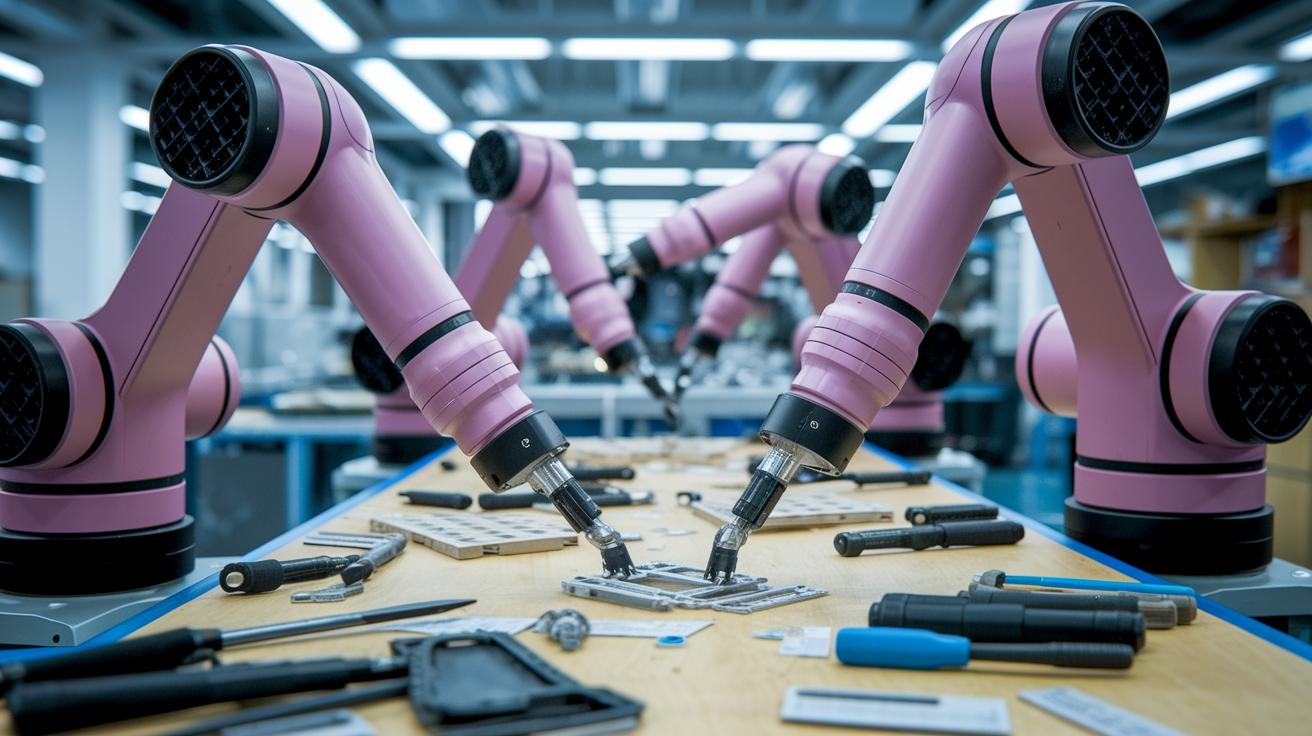
Collaborative robotic arms, or cobots, are built for tasks that need a gentle touch. They usually handle weights from 3 to 10 kg, some even up to 35 kg. That makes them perfect for jobs where precision matters without the heavy lifting. Traditional industrial robots, on the other hand, are designed to work with big loads, sometimes as heavy as 2 tons. This difference means cobots fit neatly into busy workspaces, while bigger robots need more room and special safety zones.
When it comes to safety and ease of use, cobots really shine. They come with built-in sensors like collision detection and force-limited joints. These tools let them work right alongside people, no cages required. Traditional robots, however, need physical barriers to keep workers safe. Plus, programming a cobot is usually as simple as guiding it by hand, think of it like setting up a new app on your phone. This hands-on approach slashes setup times and makes them super user-friendly.
Cost is another big difference here. Cobots tend to pay for themselves fast, often within 6 to 12 months, thanks to lower purchase, training, and maintenance costs. In contrast, investing in heavy-duty robots might take 18 to 24 months before you see a return. It's all about matching the right tool with the right job in our tech-powered workspaces.
Final Words
In the action, this article highlighted safety improvements, enhanced human-machine synergy, and flexible integration with collaborative robotic arms. We explored how intuitive programming, cost-effective automation, and reliable real-time data create a boost in production and quality.
Our discussion showed that these solutions not only improve production rates but also bring significant benefits of collaborative robotic arms. With clear industry applications and effective comparisons to traditional systems, the insights provided offer a practical roadmap for achieving an efficient, digitally enabled environment. Stay inspired by the hands-on impact of technology.
FAQ
Q: What are the advantages of collaborative robots and cobots?
A: The advantages of collaborative robots include continuous operation, improved consistency, enhanced safety via force-limited features, and quick deployment—all supporting higher throughput and efficiency in production.
Q: How do collaborative robotic arms provide cost-effective solutions compared to traditional robots?
A: Collaborative robotic arms offer cost-effective solutions with lower initial costs and minimal layout changes, reduced training needs, and flexible programming, making them ideal for modern manufacturing.
Q: What is one benefit of collaborative grippers in robotics?
A: One benefit of collaborative grippers is that they deliver gentle, precise handling that works safely alongside humans, ensuring quick setup and reducing errors in sensitive tasks.
Q: How do collaborative mobile robots differ from traditional stationary robots?
A: Collaborative mobile robots differ by providing portability and quick redeployment across tasks, allowing production lines to adapt easily and maintain high levels of productivity.
Q: What are the key features of a collaborative robotic arm?
A: A collaborative robotic arm features force-limited joints, collision detection, and intuitive programming methods that enable safe, near-human interaction while supporting enhanced data collection for process improvements.
Q: Why consider a cobot company for modern manufacturing?
A: A cobot company delivers automation solutions that are easily deployable and cost-effective, reducing human error and operational expenses while boosting overall production performance.

