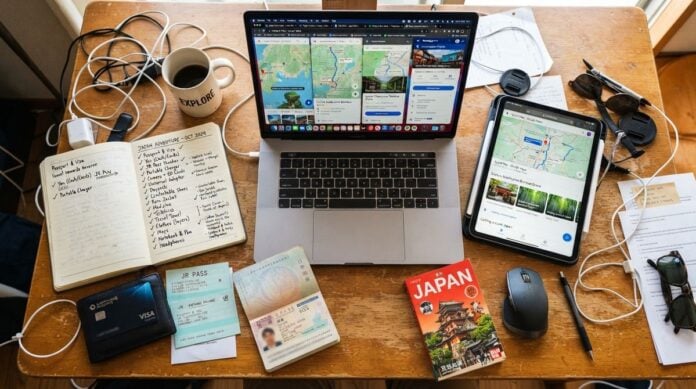
Business travel often arrives in a rush of flight alerts, hotel confirmations and crowded meeting agendas. Owners and managers can take much of the sting out of that rush by planning earlier and choosing simpler routes. The goal is not to travel less, but to travel with more clarity and fewer unpleasant surprises along the way. Calm planning also tends to make the trip more useful once you finally arrive at the destination.
The guidance here is general and suited to adults who lead small teams or run their own companies. It covers scheduling, budgeting for travel costs and preparing for meetings in another city or another country. None of it requires special skills, only a little patience, a written plan and a willingness to review that plan before each departure. Read each section at a speed that feels comfortable to you.
Give Each Trip a Simple Written Plan
A one-page plan can hold the essentials, including dates, the purpose of the visit, the people to meet and the total travel budget. Writing these items down prevents the common habit of carrying every detail in your head until the last minute. Share the page with whoever handles bookings so everyone works from the same facts and the same schedule. When plans change, update the page instead of trusting memory to keep track of every adjustment.
Readers may also want to visit supplementsangles.com. Official government pages and airline help centers usually explain entry requirements in plain language, which reduces guesswork. Keep a folder, either paper or digital, that holds copies of key documents and booking references. Nothing about the trip should depend on a single phone that might run out of charge.
Book With Buffers Built In
Leave extra time between flights, meetings and airport transfers instead of stacking them tightly on a single afternoon. A modest buffer absorbs delays without turning the whole trip into a scramble for taxis and gates. You can also visit Doctorsstudio.org for more reading. Choosing hotels near the main meeting location can also shorten journeys and lower daily fatigue.
Flexible or refundable tickets can be worth considering when plans are still uncertain or when meetings depend on client decisions. Compare fares calmly rather than clicking the first option that appears on the screen. Ask your travel provider to explain change rules in plain language before you pay. Clear terms are much easier to live with than unexpected fees that arrive after the trip.
Protect Rest and Focus on the Road
For a related read on this site, see Lunch-Hour Learning Sessions for a Small Team. A quiet dinner, a short walk and an early night help you arrive at the table with clearer thinking. Pack a small kit with a charger, a light jacket and any personal items you rely on each day. Simple preparation like this removes many of the little worries that make travel feel heavier than it needs to be.
Eat simple meals, drink water and keep a steady sleep schedule when you are crossing time zones. Set aside a few minutes at the end of each day to write notes while the details are still fresh. Confirm the next day’s first appointment the evening before, so the morning does not begin with a search through messages. Travel goes more smoothly when the small routines are protected from the start.
Keep Expenses Clear and Simple
Use one card or account for trip expenses so that receipts are easy to match at the end of the journey. Save each receipt as soon as you receive it, rather than collecting a pile to sort later. A brief weekly review keeps the totals honest and avoids a stressful reconciliation at the end of the month. Clear records also make it easier to discuss the trip with a bookkeeper or a colleague.
Agree on a simple policy for meals, taxis and upgrades before the team leaves the office. Written limits reduce awkward conversations and give everyone a shared reference point. If a receipt is missing, note the amount and the reason on the same day. Calm habits like these keep the paperwork from taking over the trip afterward.
Keep a single page for each trip that lists every expense as it happens. Record the amount, the category and the reason in a few words while the details are still fresh. Add the receipt number so you can find the original quickly if an accountant asks. At the end of the trip, total the page and compare it with the approved budget. Any gap can then be discussed calmly rather than discovered in a rush later. Sharing that page with the team keeps everyone informed without extra meetings.
Returning Home Without Rushing
A business trip does not need to feel like a sprint from start to finish. Written plans, realistic buffers and protected rest tend to turn busy schedules into something manageable. Choose the approach that suits your team, and let each journey be a steady step rather than a scramble.

