Owners who manage a company often spend long hours at a desk, answering messages and planning the next move. Physical discomfort can build quietly during those days and affect concentration. Short movement breaks fit well into a busy schedule and need no special equipment. This article offers general information about desk stretch routines and how to keep them realistic. It is not medical advice, and anyone with persistent pain should consult a qualified professional.
Set Reminders for Brief Movement Breaks
Choose a gentle reminder that appears every hour or so during the working day. When it sounds, stand up, shift your weight and take a few steps toward a window or a doorway. Short breaks interrupt long periods of stillness and help you return to your task with a clearer head. Keep the reminder subtle so it does not feel like an interruption during an important call.
Readers may also want to visit fairy-clean-out.com. Those guides usually suggest small, regular movement rather than one long session at the end of the day. Use the advice to set a realistic pattern that suits your own role and the demands of your week.
Use Simple Stretches at Your Desk
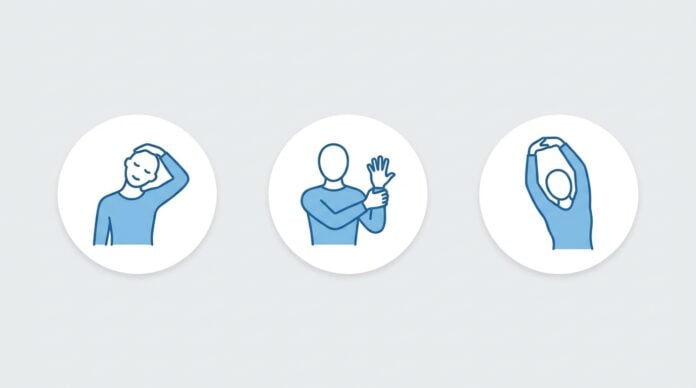
Try slow shoulder rolls, gentle neck tilts and a seated twist. Hold each movement for a few breaths without forcing the stretch, and keep the motions smooth. Stop at once if anything feels sharp. These moves take less than a minute and can be done between emails without anyone noticing.
You can also visit casaindecor.com for more reading. A visual guide makes it easier to repeat each movement correctly. Choose three simple stretches and rotate them through the week so the routine stays fresh and does not become a chore.
Adjust Your Workstation Layout
Position the screen at a comfortable height so your gaze sits near the top of the display. Keep the keyboard and mouse close enough that your elbows rest easily at your sides. Small changes to the layout often reduce strain more than any single exercise, which is why this step deserves attention first.
For a related read on this site, see Learning Crypto Basics While Keeping a Garden Alive. Work through the list once and make the adjustments gradually. The aim is comfort rather than a perfect arrangement that you cannot maintain.
Fit Movement Around Long Meetings
Use the natural gaps between meetings to stand, stretch or walk a short loop around the office. A quick trip to fetch water can serve as a movement break without taking any extra time from the calendar. Small habits like these add up across a week.
For video calls, consider standing for part of the session if your setup allows it. Moving your posture a little can make long conversations feel less tiring. Keep the camera and microphone arrangement the same, so the change does not distract anyone else on the call.
Track How You Feel Over Time
Keep a simple note of energy levels and any discomfort at the end of each week. Look for patterns, such as afternoons that feel heavy or mornings that begin with stiffness. Use those notes to adjust the timing of breaks rather than adding more tasks to an already full day.
If discomfort persists, arrange an appointment with a qualified health professional. Routine stretches support general wellbeing, but they do not replace professional care when something needs a proper assessment.
Hydration and regular meals also support steady energy during long working days. Keep a water bottle at the desk and refill it during each movement break. Choose simple snacks that do not require a long pause. Those small choices help you stay alert through the afternoon, and they make the stretch routine part of a wider approach to comfort at work.
Lighting and breaks from screens matter too. Position the desk lamp so it does not reflect on the display, and look at something across the room every so often. Blinking more often when reading also helps eyes stay comfortable. These adjustments cost little and fit into the same short pauses used for stretching.
Sharing the routine with colleagues can make it easier to keep going. A brief reminder in a team chat, or a stretch break that starts at the same time for everyone, builds a sense of shared habit. Keep the tone light and invite anyone who prefers a quieter approach to join in at their own pace.
Schedule a short stretch before a demanding call, not only after it. Starting with a few gentle movements can ease tension before you speak, which helps you sit comfortably through the discussion. Make it a habit and the routine becomes part of how the day begins. Keep a small cushion or folded towel in the chair for extra support, and adjust it to suit your posture.
Desk stretch routines do not require long gym sessions or special equipment. Short reminders, a few simple movements, a comfortable workstation, flexible breaks during meetings and a light weekly review keep the body moving through long days. Owners who build these habits may notice that the working week feels a little easier to manage.

