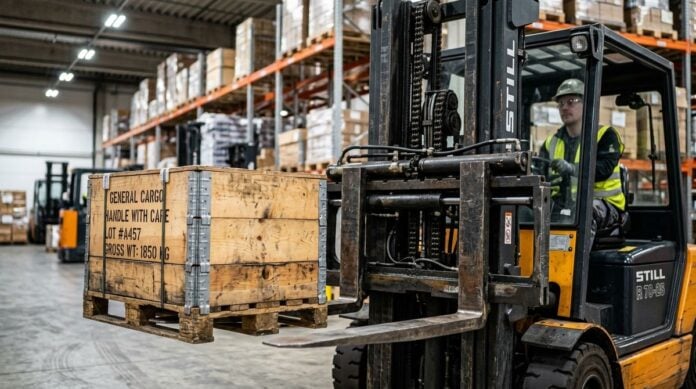
A stockroom can look tidy while still putting strain on the people who move boxes every day. Back and shoulder problems often build up from repeated lifting rather than from one dramatic moment. Owners who plan the work well can reduce that risk without slowing the team down. Good habits and a sensible layout make the difference between a sore crew and a steady one.
Why Repeated Lifting Adds Up
Small strains become serious when the same motion happens dozens of times during a single shift. Awkward reaching, twisting and carrying heavy loads all add pressure to the spine and the shoulders. Workers may not notice the cost until discomfort begins to affect their sleep or their routine away from work. Owners should talk with staff about any aches they feel after busy days, and listen without judgment. Early reports allow changes before minor problems grow into lasting injuries. Readers may also want to visit decoratingparty.com.
Walk the route from the loading door to the shelves once a month to spot new obstacles. Look for blocked aisles, sharp corners and slippery spots. Fixing these issues early prevents many small accidents.
Setting Up the Stockroom for Easy Reach
Store the heaviest items between knee and waist height so they do not need to be lifted high or set down on the floor. Keep fast moving products near the aisle so workers do not carry them across the whole room. Shelves that are too high or too low force people into awkward positions that strain the back. Label each shelf clearly so workers do not dig through boxes searching for the right item. You can also visit allhomedecors.com for more reading. Place a small step stool only where it is needed, and keep it stable and in good repair.
Keep a first aid kit near the entrance and check it regularly. Make sure every worker knows where it is stored. Quick access helps when a minor cut or bruise needs care right away.
Using Carts and Simple Tools
Hand trucks, pallet jacks and sturdy carts take much of the load off the body. Make sure every tool is maintained and that the wheels roll smoothly on the floor surface. Staff should know exactly where each tool lives so they do not carry boxes by hand out of habit. For a related read on this site, see Running a Game Event Service Desk by Sight,. Provide gloves that protect hands without making a firm grip difficult. Keep the floors clear of cords, pallets and clutter that could cause a trip while carrying a heavy load.
Store heavy boxes on a sturdy base so they do not slide when lifted. Use a stable platform rather than a wobbly stack. Sturdy foundations reduce surprises during a lift.
Teaching Safe Lifting Basics
Show staff how to bend at the hips and knees, keep the load close to the body and avoid twisting while carrying. Demonstrate the technique with a light box first, then move on to heavier items once the movement feels natural. Practice builds the habit far more effectively than a single briefing held once a year. Ask for help with long or awkward items instead of forcing a lift alone. Two people can move a bulky box far more safely than one person struggling with the weight. Reinforce the message during regular team meetings so it stays fresh in everyone’s mind.
Demonstrate a good stance by bracing the feet shoulder width apart. Keep the lower back neutral during the movement. Repeat the demonstration for anyone who looks unsure.
Encouraging Staff to Speak Up
Workers should feel free to report discomfort or unsafe conditions without fear of being criticized. Create a simple way to share concerns, such as a notebook near the door or a short check in at the start of each shift. Respond quickly to every report so the team can see that its concerns really matter. Recognize staff who suggest improvements, since they often notice problems that managers miss from their desks. Review the stockroom layout every few months with the team, and invite ideas for better storage. Shared ownership turns safety into part of everyday work rather than a separate chore.
Celebrate weeks without incidents and share what the team did to earn them. Positive recognition encourages steady habits. A proud team is more likely to keep looking out for one another.
Safe lifting depends on a mix of smart layout, good tools, clear habits and open communication. Owners who invest in these basics protect their team and reduce time lost to injury. A calm, well organized stockroom is also easier to run and easier to keep clean.

