A small food counter serves many customers, and some of them use walkers, wheelchairs, canes or strollers. Designing the space with those visitors in mind benefits everyone, from parents with strollers to people who simply want a comfortable place to order. This article offers general ideas for a business owner who wants to improve access without a large renovation. The suggestions focus on layout, ordering, seating and staff habits that can be introduced gradually and at modest cost. Many of the changes take only an afternoon and can be reviewed again later.
Clearing a Route From the Door to the Counter
The first step is the path a visitor takes from the entrance to the ordering point. Keep a clear route at least wide enough for a wheelchair to turn, and remove chairs, signs or displays that narrow the space. Place a small ramp at any step if one exists, and check that the door opens easily. Measure the gap between tables so a person using a mobility aid can pass without asking for help. Viewing the route from a lower height, such as the seat of a stool, reveals obstacles that are easy to miss while standing. Readers may also want to visit recknews.com. Walk the route again after any new display goes up, since small items often creep into the path over time.
Lowering the Counter and Menu Height
A high counter can be difficult for a child, a seated customer or someone who uses a wheelchair. Consider a lower section of counter for ordering, or a tablet that can be turned toward the customer. Post the menu at a readable height and use large, high contrast print. A printed copy on a clipboard can be passed across the counter so the customer can review options at a comfortable distance. You can also visit The Encarta for more reading. Keep the menu brief, because fewer choices reduce the time a customer needs to stand and decide.
Making Seating and Pickup Easier
Seating should include options at several heights, with at least a few chairs that have armrests and firm backs. Keep space beside tables so a wheelchair or walker can park without blocking the aisle. Put pickup shelves at waist height and call names clearly so no one has to search the room. If customers can order in advance, offer a curbside handoff with a staff member ready at the door. For a related read on this site, see Online Booking That Works for Customers With Limited. A bench near the entrance gives anyone waiting for a friend a comfortable place to sit.
Training Staff to Offer Help Respectfully
Staff should know how to offer help without taking over. A simple question, such as asking whether the order should be brought to the table, is often enough. Train employees to speak directly to the customer rather than to a companion, and to wait for a reply before acting. Show them how to hand over a cup or tray without reaching across a person’s space. Practicing these habits during quiet hours builds confidence and makes busy rushes run more smoothly. Encourage staff to ask the customer what would help most, instead of guessing from appearances.
Simplifying the Menu and Payment Process
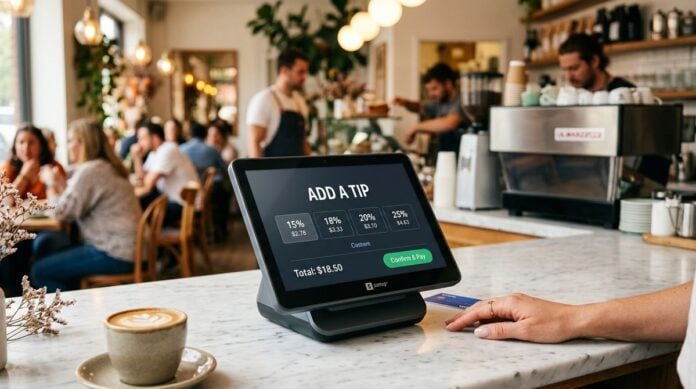
A shorter menu can reduce the amount of time a customer must stand at the counter, which is helpful for anyone who tires quickly. Offer contactless payment and a card reader that can be moved to a convenient spot. Accept orders by phone or through a simple form for regulars who prefer to plan ahead. Keep the cash tray and receipt printer within reach of the staff member, and avoid placing them behind a tall barrier. Clear and quick transactions help everyone, including parents juggling bags and small children. A short written reminder of prices on the counter can also save a customer from having to ask.
Checking the Space Every Season
Access needs change as the seasons turn, when snow, rain or heavy displays alter the layout. Schedule a quick review each season to walk the entrance, check the ramp, test the door and confirm that signs remain visible. Ask a few regular customers for honest feedback, and note their suggestions in a shared file. Small repairs made promptly keep the space welcoming. A counter that works well for every guest tends to bring people back. Store a spare mat and a clean cloth near the entrance so wet weather never blocks the route for long.
Keeping Access Part of Everyday Service
Accessible design works best when it becomes a habit rather than a project. Build checks into weekly opening routines, keep a few spare supplies such as a clipboard and a clean cloth, and update the layout when a customer points out a problem. Every improvement makes the shop easier to use for people who may never mention their needs. Over time, that quiet attention becomes part of the reputation a small food business is known for. Thank the customers who speak up, because their feedback is often the best guide to the next change.

