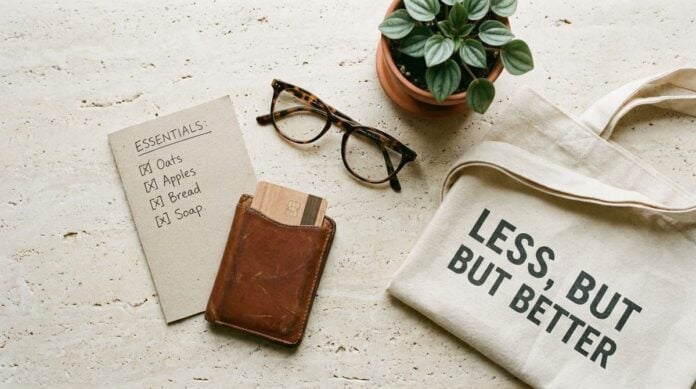
A household writes a long list on the back of an envelope every weekend, tucks it into a coat pocket, and returns from the store with half the items missing and three extra snacks. The list was careful, but it did not match the way the family actually shops. The result is wasted money, extra trips, and a lot of frustration at the kitchen counter.
A grocery list is a small tool with a big job. When it works, meals stay planned and the pantry stays stocked. When it fails, the problem is usually the way the list is written or the way it is used. The mistakes below are common and easy to correct once you see them, and most of the fixes take less time than writing the list did in the first place. Start with one fix this week, then add the next one once the habit feels comfortable.
Writing Items That Are Too Vague
Entries like snacks, something for dinner, or fruit leave shoppers guessing. A specific item, such as two bags of apples or a jar of tomato sauce, is far easier to find on the shelf. Group similar foods together and add quantities so the list works as a set of shopping instructions rather than a loose reminder. Leave a little space under each group so you can add items as they come to mind.
Readers may also want to visit Jobs In Macon GA. Adapt each suggestion to the number of people you cook for, and keep the format that the whole household finds easiest to read. Some families use pictures next to each item to help younger members.
Ignoring the Store Layout
A list that jumps from frozen peas to bread to cleaning supplies sends the shopper back and forth across the store. Arrange items by aisle or section, and keep the order the same each week. Shoppers quickly learn the route, and the trip takes less time with fewer missed items. Over several weeks, the route becomes automatic, and the list is finished in half the time.
Some households keep a simple sketch of their usual store and mark the sections on the list. The habit is basic but saves many detours over a month, especially in a large supermarket with long rows of similar shelves. You can also visit opensolutionsalliance.org for more reading.
Forgetting Meals Already Planned
Buying items for a recipe that is already in the freezer leads to duplicate purchases. Check the pantry, fridge, and freezer before writing the list. Cross off what you already have, and note any ingredients that will expire soon so they get used first. The check takes a few minutes and often reveals several items that do not need buying at all. Those saved items also reduce food waste, which keeps the budget steady.
For a related read on this site, see Guiding Your Teen to Build Their First Neighborhood. Use the same sheet every week so the habit feels routine rather than an extra chore before the trip. A sheet that stays the same is quick to scan, even on a busy morning.
Writing the List and Leaving It Behind
Many lists remain on the kitchen counter while the shopper heads out the door. A note on a phone saves that problem, since it stays with you. Choose one place to keep the list, such as a shared app or a single notebook, so every household member knows where to add items. A single location prevents the list from splitting into several partial versions. One master list also makes it obvious what has already been bought during the week.
Ask everyone to add their needs before the shopping day. A shared list reduces the chance that someone forgets an important item, and it spreads the planning load across the household rather than leaving one person to remember everything.
Shopping While Hungry
A shopper who arrives hungry often adds snacks that were never planned. The list may be perfect, but the mood at the shelf changes the outcome. Eat a small snack before going, or shop when energy is higher and the store feels calmer. A relaxed shopper sticks to the plan more easily. A calm pace at the store often leads to better choices across the whole basket.
Review each shopping trip afterward. Note what was missing, what went unused, and what should be dropped next time. Small adjustments make the list more accurate over time, and the record shows patterns that are otherwise hard to spot. A few notes about favorite brands or sizes make the next list even faster to write.
Making the List Work All Week
A good grocery list is specific, organized by store layout, checked against the pantry, and kept where everyone can reach it. Plan around what you already have, and review each trip. With a few small habits, the list becomes a reliable guide rather than a piece of paper that gets lost in a coat pocket.

