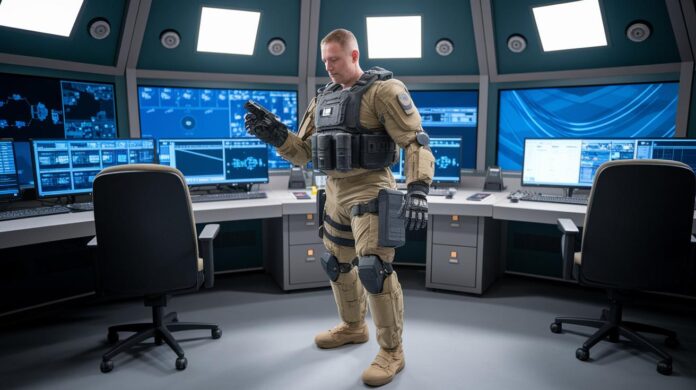
Have you ever thought a team of robots might soon help guard our borders? The military is already mixing smart computer programs, unmanned machines, and online defenses to create operations that are faster and safer. These systems use live data (real-time info that updates as events happen) to spot any danger immediately, keeping teams ready for whatever comes their way.
This breakthrough tech is reshaping defense strategies to protect lives and boost security. It’s like watching a digital dance where every piece of technology works in perfect sync, innovative, efficient, and pretty amazing.
Overview of Future Military Tech Innovations

The U.S. Military is always on the lookout for breakthrough tech. They’re blending smart computer programs like AI (tools that learn and make decisions) with robotics, cybersecurity, and unmanned systems to keep folks safe. They use clever algorithms that crunch huge amounts of data, and robotic systems help keep people out of harm’s way. Plus, top-notch cyber defenses are there to tackle online threats in real time. More investments and a mix of different research fields are pushing these improvements forward, making our modern battlefields quicker and more flexible.
Lately, real-world challenges have sparked fresh innovations. Experts are fine-tuning hypersonic missiles that zoom at speeds over Mach 5 and setting up IoMT networks (basically, connected sensors sharing live updates) to keep teams aware of everything as it happens. It’s a clear sign that efficiency and global security are top priorities.
- AI and machine learning to help make snap decisions
- Robotics and unmanned systems that boost safety during operations
- Cybersecurity systems designed to stop digital attacks on the fly
- Hypersonic weapons capable of hitting above Mach 5 speeds
- Integrated sensor networks using IoMT to keep a real-time eye on the battlefield
All these cool technologies work hand-in-hand to create a solid defense strategy. They let military teams plan quickly, protect their people better, and get live updates when every second counts. In a world where digital connections rule, these advancements keep our defense plans sharp and ready for whatever comes next.
AI-Powered Combat Strategies in Future Military Tech
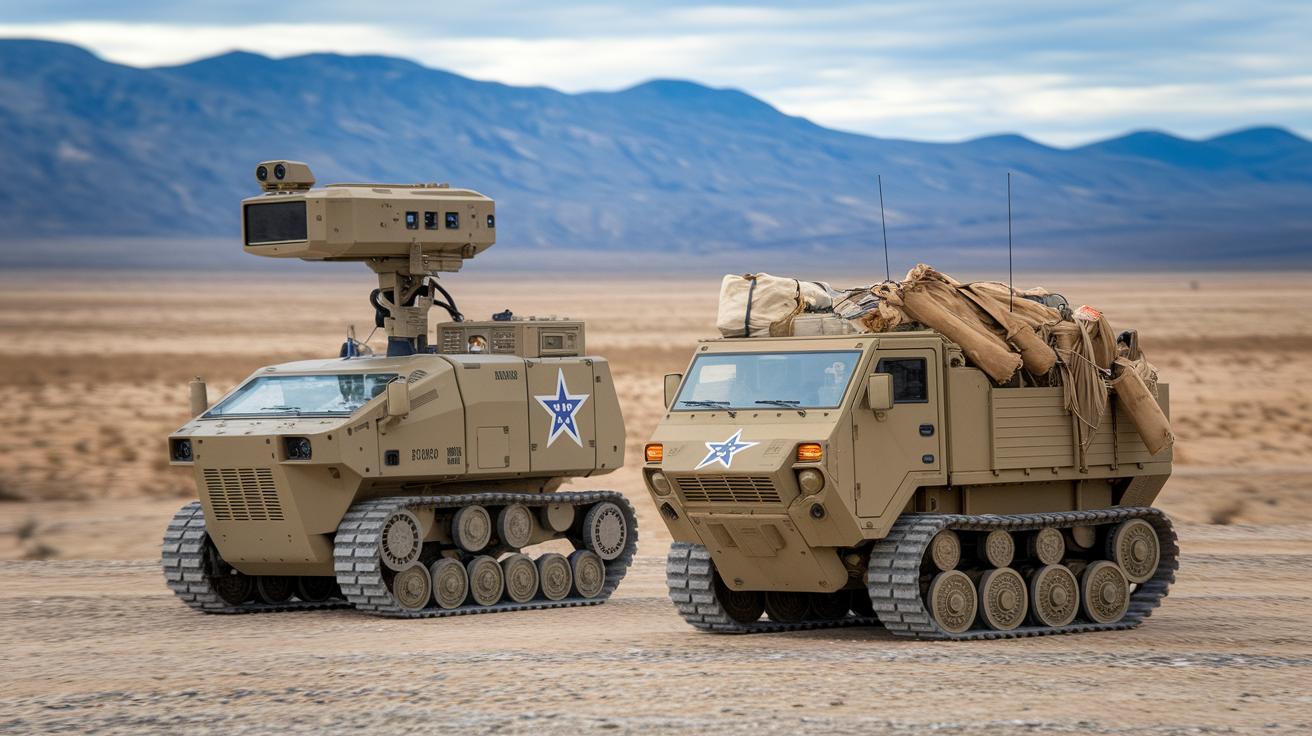
AI is reshaping how decisions happen on the battlefield. Its advanced systems can crunch massive amounts of data and offer real-time combat insights, helping military leaders spot both threats and chances in a heartbeat. These smart systems learn from each scenario, updating strike plans and vehicle control as they go. Just imagine software that quickly processes live sensor feeds to choose the safest, fastest route for an autonomous vehicle, making every mission both agile and intelligent.
Meanwhile, on the logistics side, AI-driven defense tools are streamlining supply chains and keeping equipment in check 24/7. Machine learning fuels progressive armament technology to sharpen precision strike capabilities with barely any human oversight. This mix of rapid data processing and smart vehicle automation means that tasks like targeted engagements and quick, critical resupplies are executed with impressive speed and pinpoint accuracy.
Autonomous Battle Robotics in Future Military Tech

Robotic systems are shaking up how battles are fought today. These smart machines, think agile drones, rugged ground vehicles, and flexible war platforms, are stepping in for tasks that once required human soldiers. They handle things like scouting, watching over areas, and delivering precise strikes, all while braving dangerous conditions such as diffusing explosives. Plus, with user-friendly human-machine interfaces and impressive endurance, they blend seamlessly into any mission. It’s like having a digital sidekick that reduces risks and helps decision-makers act faster and safer.
Below is a quick look at what these platforms can do:
| Application | Description |
|---|---|
| Unmanned aerial combat | Delivers nimble air support with dynamic movements |
| Robotic ground units | Performs detailed reconnaissance and keeps track of the situation |
| Hazardous bomb disposal | Safely handles explosives with high precision |
| Search and rescue operations | Speeds up recovery efforts during emergencies |
| Logistics support | Simplifies supply routes and operational coordination |
These innovative systems are quickly evolving into versatile game-changers that mix cutting-edge tech with real tactical needs. With upgrades in sensor feedback (that’s the data these machines capture to 'see' their surroundings) and extended operational stamina, they’re becoming a central force in modern defense plans. Their knack for handling risky jobs lets human soldiers focus on clever strategies and big-picture decisions. It’s a significant leap forward in robotics-assisted firepower that’s keeping military tactics both bold and safe.
Cyber Defense Breakthroughs in Future Military Tech
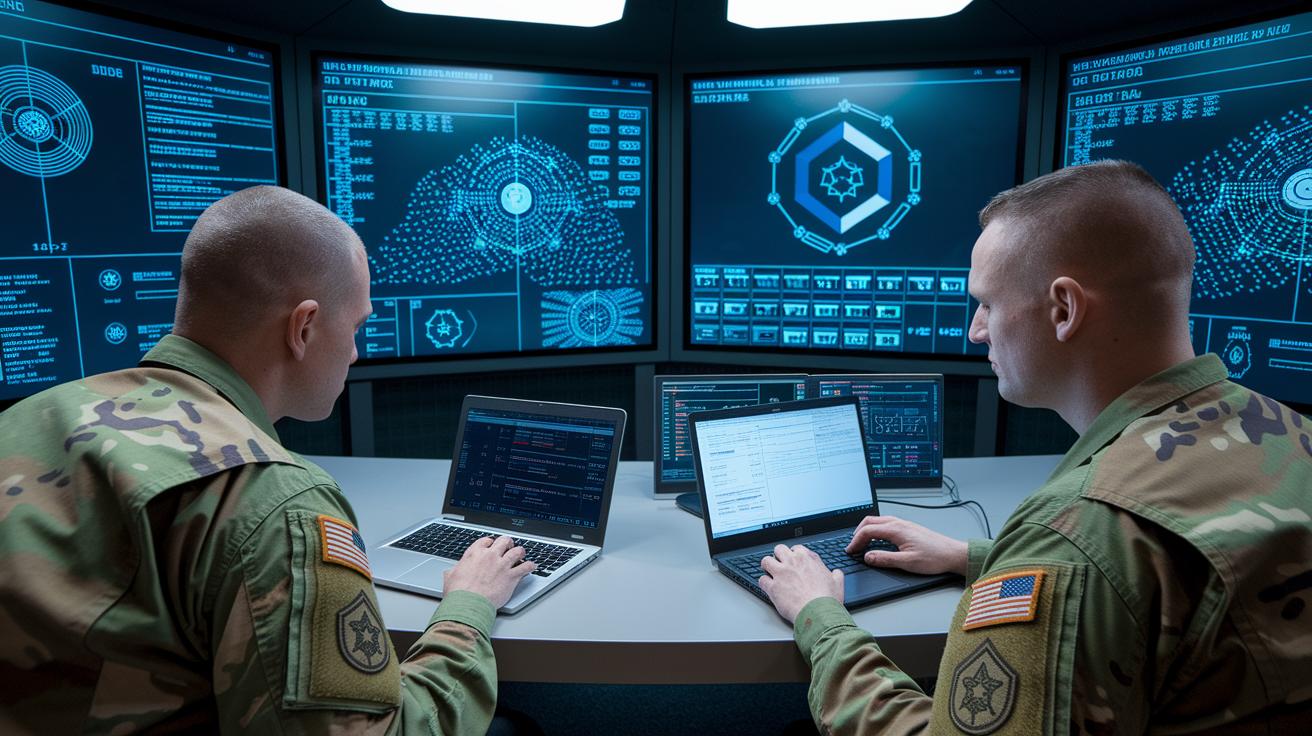
Military networks face constant cyber threats like advanced persistent threats (bad actors that quietly infiltrate systems) and ransomware (malware that locks your files until you pay up). That's why building solid digital defenses is crucial for protecting sensitive data and command systems. In today's fast-paced digital world, hackers come up with new tricks almost daily, so defense teams are staying one step ahead and preventing attacks before they break into secure communications.
They’re not just patching holes; they're boosting both the outer defenses and the internal security rules, like turning a basic fence into a full-blown digital fortress. Big investments in AI-driven cybersecurity help catch and stop these attacks quickly. AI, which learns from data to spot issues early, is used to monitor systems for unusual activity and respond instantly, even under heavy pressure.
With the latest cybersecurity trends for 2024 guiding research, these smart solutions keep sensitive operations safe and communication channels running smoothly. This proactive method lays a strong base to handle any new threats that pop up. As these technologies improve, military planners can build a safer digital structure, strengthen data flow, and gain the sharp situational awareness needed for next-level warfare in our fast-evolving cyber world.
Hypersonic and Directed Energy Systems in Future Military Tech
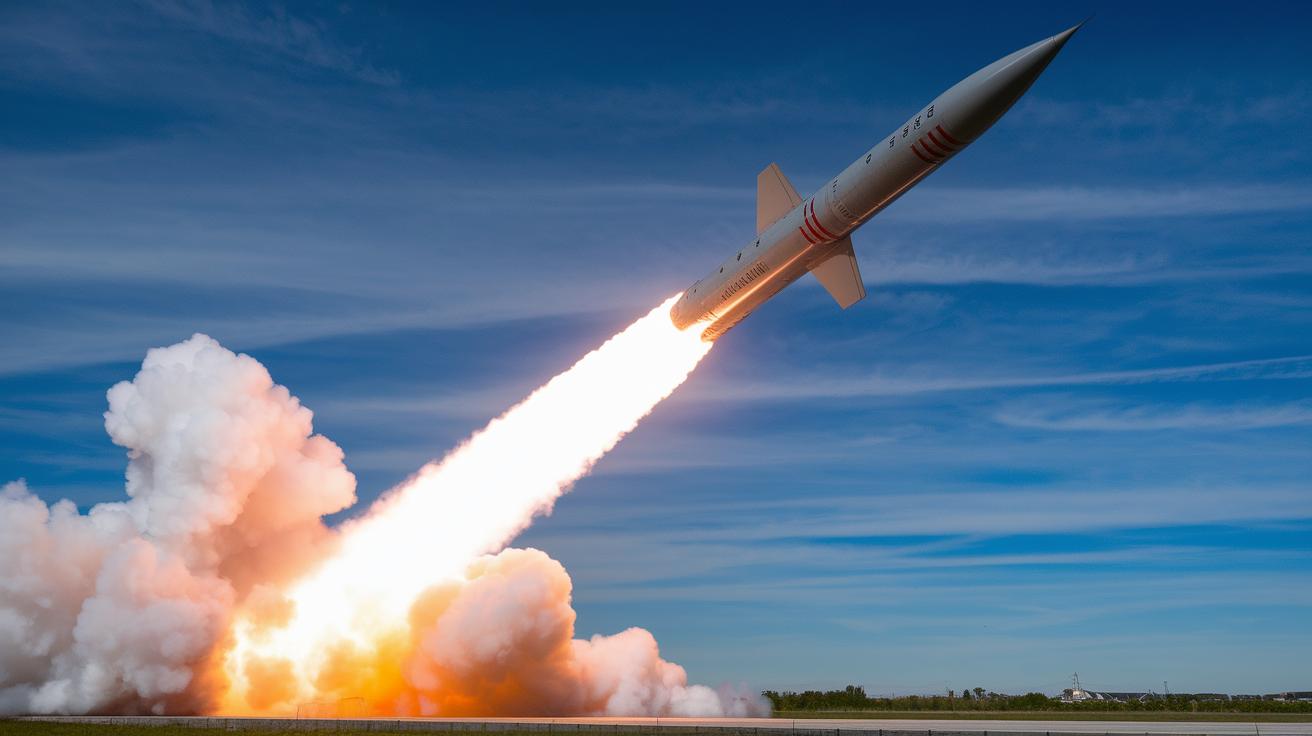
Today’s hypersonic weapons race past Mach 5 (that’s over 761 mph) and deliver a blink-and-you’ll-miss-it strike. These systems remind me of a sleek, ultra-fast race car on a digital highway, built to outpace any enemy reaction. They’re designed so quick that defense teams have almost no time to blink, ensuring that countermeasures almost become a nostalgic thought.
Directed energy systems use tightly focused beams, like a high-precision laser, to tackle targets with remarkable finesse. Imagine a beam of pure, concentrated power carving its way through the chaos of modern combat. When combined with advanced targeting, this mix of speed and precision offers a fresh layer of agility on the battlefield.
Challenges still loom in the field, though. Integrating these cutting-edge technologies isn’t as simple as clicking “install.” Engineers are hard at work refining guidance systems, extending range, and building robust countermeasures to overcome pesky issues like weather interference and signal disruptions. Real-world tests and simulations are all part of the journey from the lab bench to the live battlefield.
In essence, the synergy between hypersonic designs and directed energy systems gives military forces a serious edge. They work together to delay, deter, or disable threats with sharp accuracy, even in the midst of dynamic engagements. Ever wonder how these innovations keep our defenses a step ahead? It’s this rapid evolution that’s reshaping the future of warfare, building a framework where speed and precision go hand in hand to outsmart adversaries.
Integrated Sensor Fusion and Communication Networks in Future Military Tech

Devices on the battlefield connect like never before, forming a solid network that brings everything together. Smart sensors such as radars and EO/IR systems (those cameras that capture both visible and infrared light) pump live data into a central digital hub. This hub gives soldiers a clear, constantly updated view of threats and friendly assets, almost like watching a bright, interactive map in real time. Imagine a control room where streams of data from unmanned sensors, surveillance drones, and other gear merge into clear, actionable insights that power tactical moves.
On the flip side, advanced sensor fusion blends input from various channels into one fluid picture of events. Signals and images from different devices are processed almost instantly so that commanders can make smart, rapid decisions. Real-time engagement systems filter and interpret every key detail, ensuring that every alert counts. I always marvel at how these systems strip away the noise, giving us a neat, updated snapshot of the chaotic battlefield, making it easier to handle complex operations and move in sync during ever-changing scenarios.
Emerging Battlefield Concepts and Future Military Tech
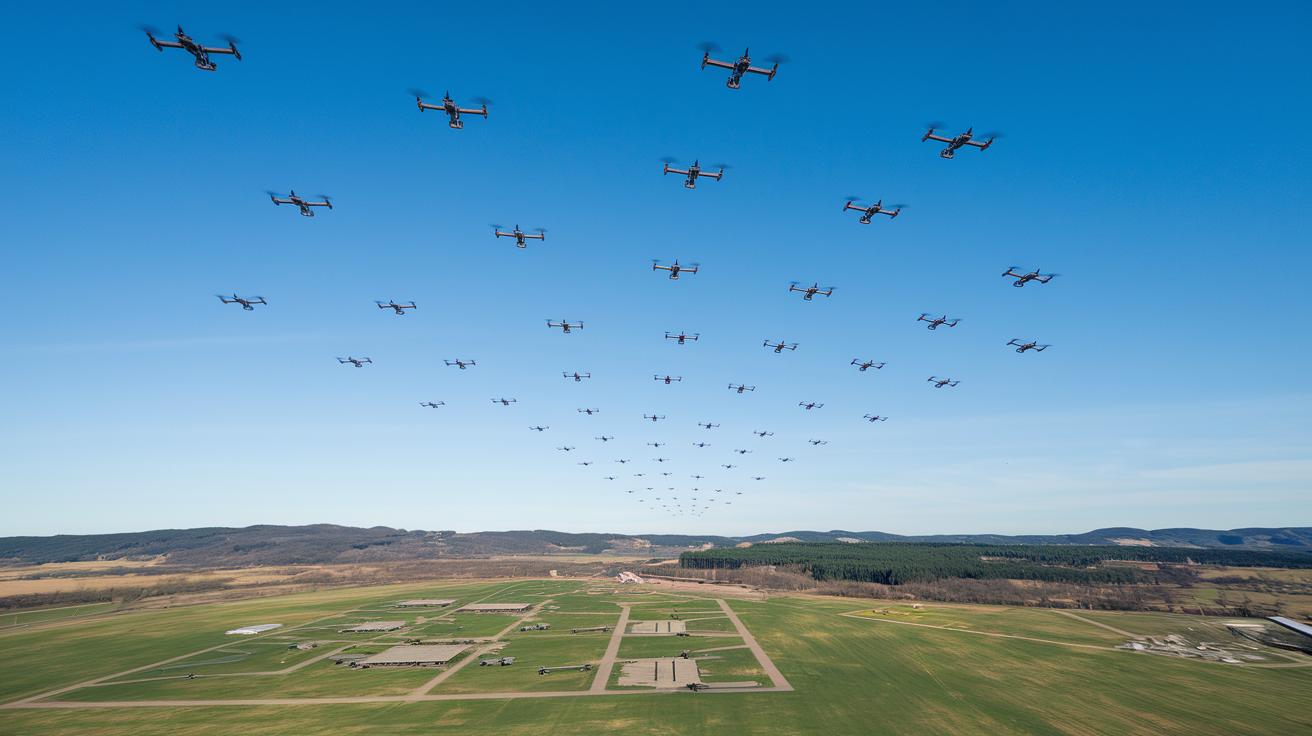
Modern battlefields are getting a serious upgrade. Military planners are now mixing air, space, and ground skills in ways we've never seen before. Picture small, nimble drone swarms teaming up to outsmart adversaries. These drones work together like a digital orchestra, making enemy defenses much tougher to beat.
And it gets even cooler. Experts are exploring space-based defense setups. Think of a network of satellites and sensors that spot danger early and alert teams on the ground and in the air. It's like having a digital guardian watching the skies around the clock.
Then there are hybrid combat systems. New armored vehicles and smart weapons are being built to work with drones and space networks. These systems can react quickly and work on their own, even in tricky situations. The idea is to create a smooth, connected defense that boosts decision-making in real time.
In short, today’s military innovations are blending fast air units, watchful space networks, and tough ground forces into one powerful shield. It’s a bold move that changes the game on modern battlefields.
Final Words
In the action, we experienced a quick look at how tech transforms defense. AI-powered combat, autonomous battle robotics, cyber breakthroughs, hypersonic systems, and sensor-fused networks each play a role in shaping our defense strategies.
Each innovation helps create dynamic, clear, and efficient operations. The passion behind these advancements fuels confidence, empowering us to take bold steps forward. Embracing future military tech guarantees that progress stays both innovative and refreshingly human.

