
Ever wonder if a network of satellites could change the way we experience internet speed? SpaceX’s Starlink offers fast and reliable connections, even in the most hidden corners of the world.
Imagine more than 4,600 satellites orbiting just 550 km above Earth. That’s roughly like a relay team passing a baton, but here, it’s data zipping around the globe. Smart engineering and clever tracking, the kind that keeps your favorite apps running smoothly, work together to make sure your connection stays steady and fast.
In essence, Starlink is giving us a fresh look at remote internet access. It shows how technology can light up even the darkest, most isolated places with speedy connectivity.
SpaceX Starlink Network Overview
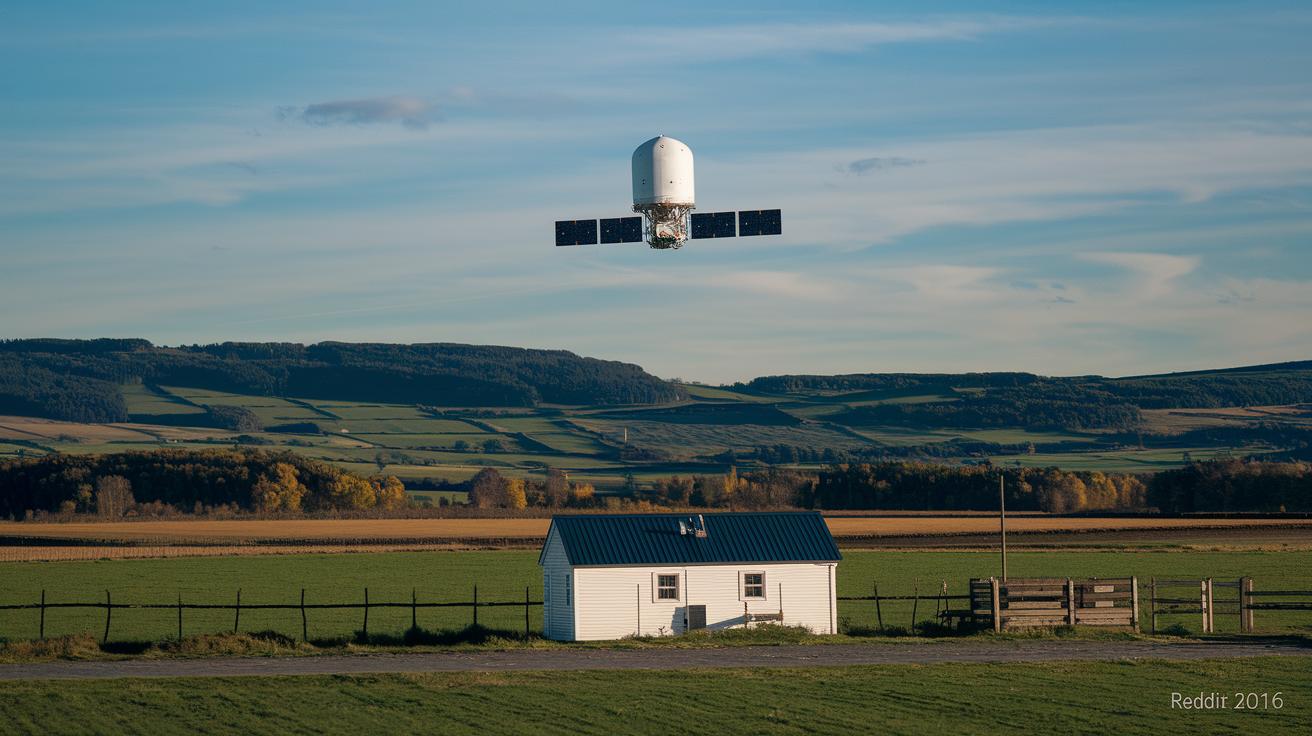
Starlink is changing the game for internet access. It uses a network of satellites in low earth orbit to bring fast internet to even the most hard-to-reach places. By early 2024, more than 4,600 satellites were whizzing around the planet at about 550 km high. This huge setup uses smart satellite design and cool tracking tech to keep connections smooth and route data in real time.
The FCC gave the green light for 12,000 satellites in Phase 1, and even later, Starlink has permission for up to 42,000 satellites. That shows just how serious they are about pushing the limits of broadband tech. After launching in public beta back in November 2020, the service quickly spread to over 50 countries. Now, users enjoy download speeds between 50 and 220 Mbps, upload speeds of 10 to 40 Mbps, and latency as low as 20 to 40 ms.
What makes it work so well? It’s all thanks to top-notch engineering. Think of flat-panel phased array antennas (tools that send and receive signals like digital radars), krypton-fueled thrusters (mini rocket boosts that adjust satellites’ orbits), and clever mesh-routing software that tracks everything in real time. Picture it like your internet service running as a well-organized team, with each part quickly passing information along a busy digital highway.
Here’s a fun fact: Before Starlink, remote areas often struggled with slow connections. Now, thanks to low earth orbit technology, even rural homes can enjoy lightning-fast speeds. This blend of grand scale and stellar performance shows just how Starlink is redrawing the limits of digital connectivity.
spacex starlink Shines With Fast Connectivity
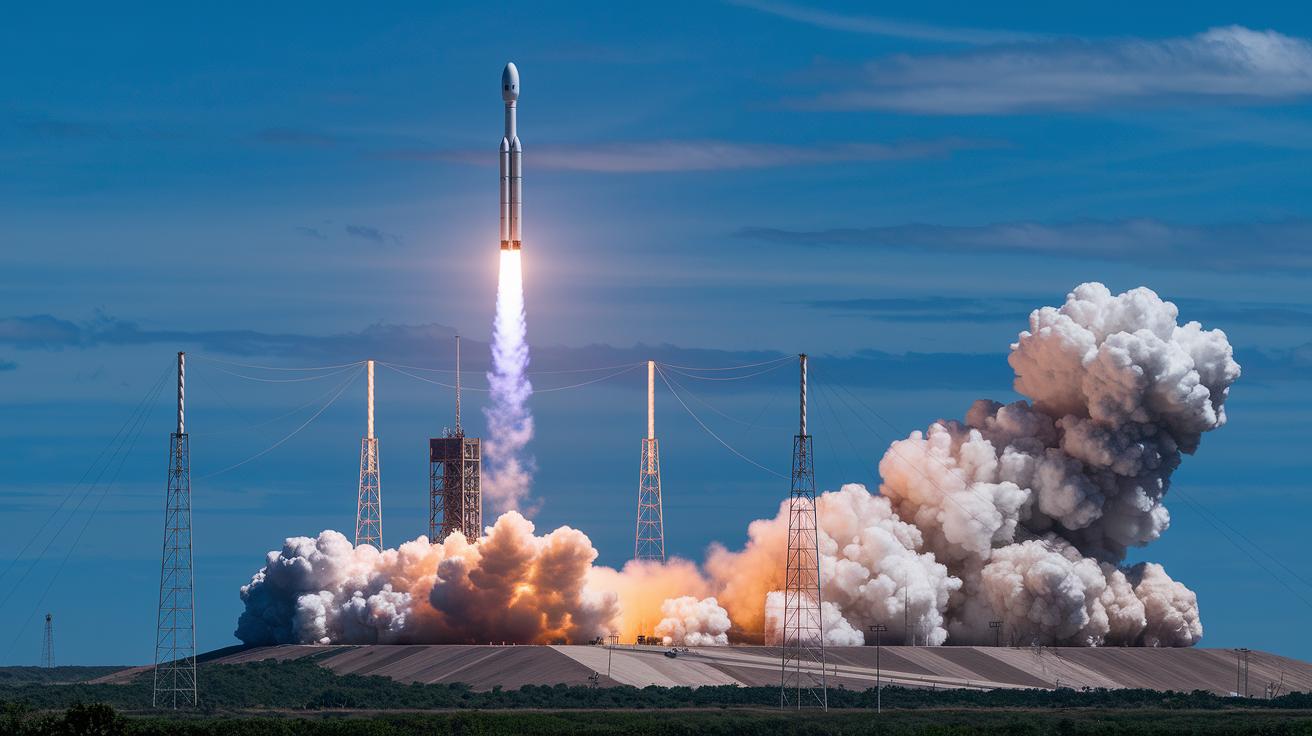
Falcon 9 rockets are the trusty engines powering Starlink’s speedy links. These rockets fire off 60 satellites at a time from Cape Canaveral SLC-40, a super busy pad known for its precision. Imagine a Falcon 9 as it rumbles into the sky, delivering 60 satellites that light up remote corners of our planet. Its debut flight on May 23, 2019, set the stage, and by 2023, over 80 launches had sent upwards of 4,800 satellites into orbit.
After the rocket parts ways, each satellite unfolds its solar panels and then kicks on its krypton ion thrusters (think of these as smart engines that help adjust their orbit). It’s like setting up a tiny solar farm that gets an extra kick of power to find just the right spot in space. Every satellite costs about $500,000 to launch, based on the published figures for the Falcon 9 missions.
Over time, detailed launch records show a steady rhythm that has built a solid network of satellites. Behind the scenes, precise orbital maneuvers work in tandem with cost-effective strategies, ensuring that even the farthest areas enjoy fast, reliable internet. This well-choreographed space ballet is what keeps Starlink shining with rapid connectivity day after day.
Starlink Service Coverage and Performance Metrics
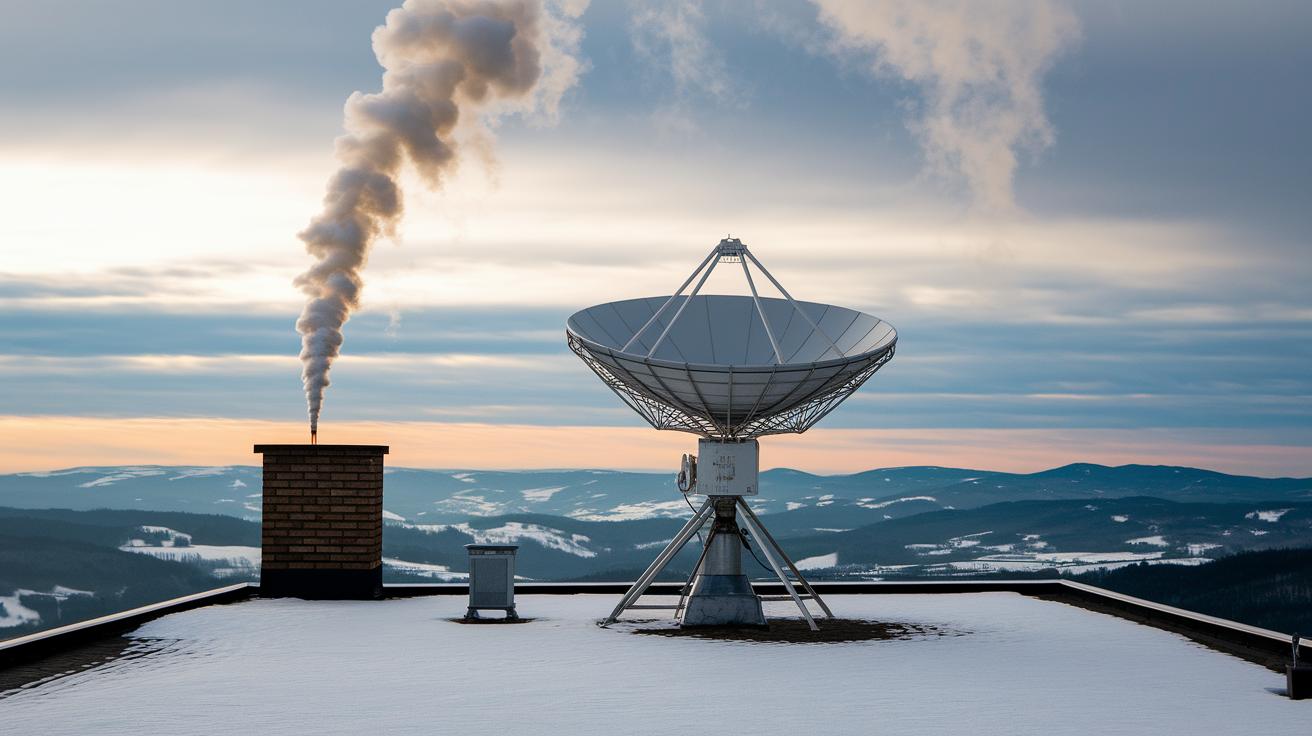
Starlink now covers more than 50 countries, including regions above 60° N, and its service map gets a refresh every month. Users typically see download speeds of around 100 Mbps, with possible boosts up to 220 Mbps. Upload speeds range between 10 and 40 Mbps, which works well for everyday tasks and digital projects.
Network latency is impressively low, with a median of about 35 ms. This means data moves quickly, making tasks like video chats feel as smooth as face-to-face conversations. One user even mentioned that it handles real-time gaming and streaming effortlessly.
Weather can sometimes reduce signal strength by roughly 20%, but each dish has a built-in heater that clears ice, keeping the connection steady even when it gets cold.
| Performance Metric | Value |
|---|---|
| Average Download Speed | 100 Mbps (up to 220 Mbps) |
| Upload Speed | 10–40 Mbps |
| Median Latency | ~35 ms |
| Weather Impact | ~20% signal reduction; heated dish clears ice |
This combination of broad coverage, fast speeds, and smart weather adaptations makes Starlink a standout in global broadband connectivity.
Starlink Hardware and Home Installation Guide
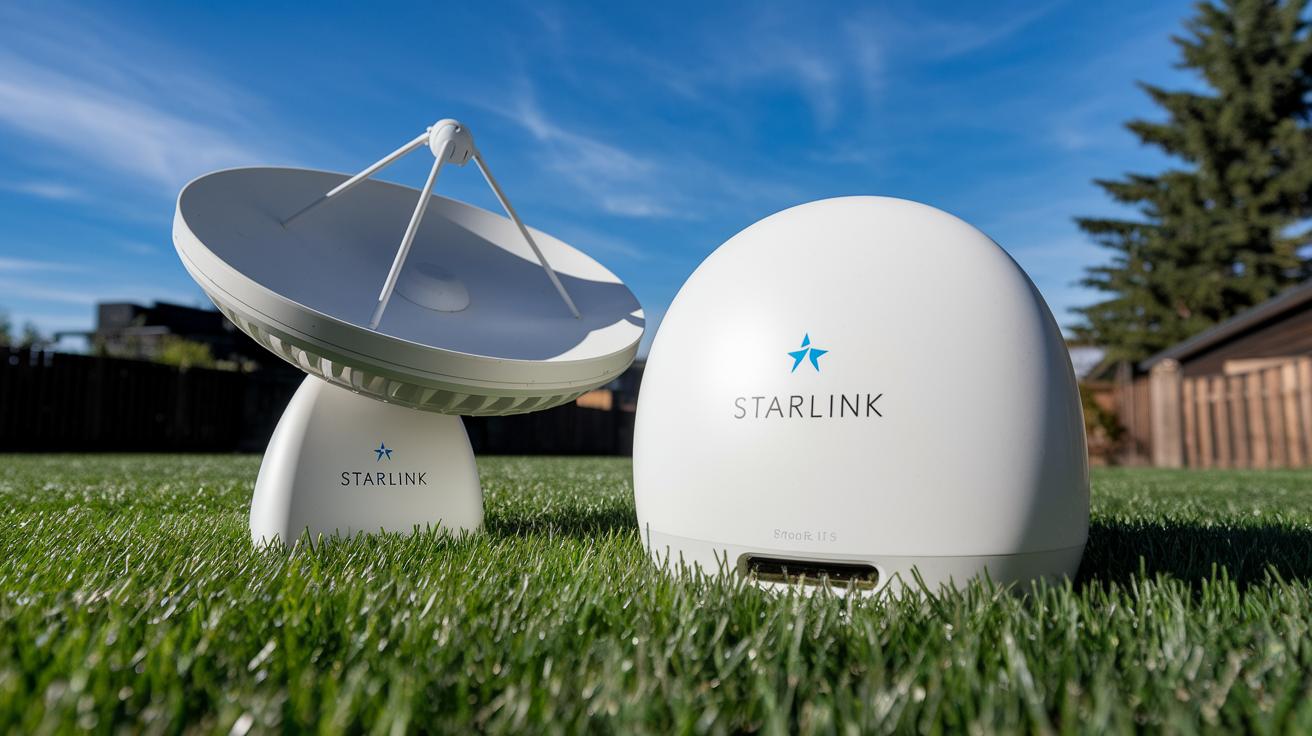
Starlink’s kit is designed to keep things simple, even if you’re not a tech wizard. Inside the box, you’ll find the user terminal, endearingly called “Dishy McFlatface,” along with a tripod mount, Wi-Fi router, power supply, and the necessary cables. All of this comes for a one-time fee of $499, meaning you only need to set up once to get connected.
First, pick your mounting option. You can use the ground stand that comes with the kit, choose a roof mount (which you need to buy separately), or repurpose a pole you already have. Just be sure your dish’s spot has a clear, open view of the northern sky, so Dishy McFlatface can easily lock onto the satellites.
The setup process is as easy as following a few simple steps. Open the box and:
| Step | Action |
|---|---|
| 1 | Place the dish in a clear area with an unobstructed view. |
| 2 | Hook up the Wi-Fi router and power supply as instructed. |
| 3 | Fire up the Starlink mobile app to see live satellite positions and signal strength. |
| 4 | Adjust the dish according to the app’s guidance, usually under 30 minutes! |
One user mentioned, “I set up the system in less than half an hour and was really impressed by how smoothly the dish calibrated itself with live updates.” Every dish automatically adjusts itself and gets firmware updates over the air (OTA), keeping your connection at top performance.
Starlink Subscription Plans and Cost Breakdown

Starlink has a range of subscription plans designed to suit different users. For most households, there’s a residential plan that costs $99 every month plus a one-time hardware fee of $499. Imagine paying a small monthly amount for a fast and reliable network, it's like giving your home a secure, high-speed connection without emptying your wallet.
If you need even faster speeds and better data handling for your business, there’s a business tier available for $499 a month. This plan offers speeds between 150 and 500 Mbps, making it perfect for busy offices where smooth, steady data flow is key. It’s basically an upgrade that ensures your work environment keeps humming along nicely.
There’s also a great option for RV and mobile users at $135 per month. With pay-as-you-go roaming in over 40 countries, you can stay connected whether you're on the road or just exploring new places. It’s pretty cool to have that kind of flexibility wherever you go.
- Every plan comes with no hard data caps
- You can add priority data if you want to fine-tune your service
Plus, each satellite behind this network costs about $500,000 to build and launch, and they all work together to keep these plans running smoothly. This clear cost breakdown lets you compare the equipment expenses and helps you decide which subscription fits your needs best.
Starlink User Feedback and Community Insights

Beta users are sharing that Starlink delivers rural speeds between 50 and 150 Mbps, with an average rating of 4.2 out of 5 from community reviews. One user said, "Using Starlink changed my remote work setup overnight," a comment that perfectly sums up the excitement seen across the board.
Online, folks are swapping ideas, firmware update tips, and even site-survey results. They talk about their real-world experiences, praising the steady speed and low lag that make video calls and gaming a smooth ride. One user explained, "Even with occasional signal loss from nearby trees, the connection remains impressively responsive." It's these kinds of genuine stories that light up the discussion.
Surveys also show that customers really appreciate the fast customer support, with responses coming in under 12 hours via chat, email, or phone. This quick help makes it easier to deal with things like scheduled maintenance or brief signal issues.
The community feels more like a tech-savvy, supportive family. People share troubleshooting guides and step-by-step installation tips on discussion boards, making setup easier and boosting confidence in Starlink's day-to-day performance, even when unexpected challenges pop up.
Comparing Starlink with Other Satellite Internet Services

Starlink really shines compared to other satellite internet options. For example, while HughesNet typically offers about 25 Mbps with roughly 700 ms lag, Starlink pushes out around 100 Mbps with only about 35 ms delay. Imagine watching your favorite show without any annoying pauses, a welcome change from what many traditional satellite services deliver.
When you look at Viasat, the gap is even more obvious. Viasat sticks to data caps and suffers from over 600 ms of lag, whereas Starlink eliminates data limits and clocks in with latency between 20 and 40 ms. This makes a huge difference, especially for anything that depends on quick responses like online gaming or video chats.
Urban areas might get similar speeds from DSL or cable, but those networks often drop the ball when it comes to rural or hard-to-reach places. And while 5G in cities can hit speeds between 50 and 150 Mbps, it depends on a lot of local infrastructure, a hurdle that Starlink easily sidesteps in remote regions.
Plus, Starlink doesn’t just stop at fast downloads. It offers upstream speeds up to 40 Mbps, putting it on par even with fiber-optic services. It even supports backhaul for remote 5G cell sites, boosting mobile connectivity where traditional networks tend to lag behind.
- This combo of high speed and low ping makes Starlink a standout choice for everyone from casual streamers to serious gamers.
Future Starlink Expansions and Next-Gen Satellites
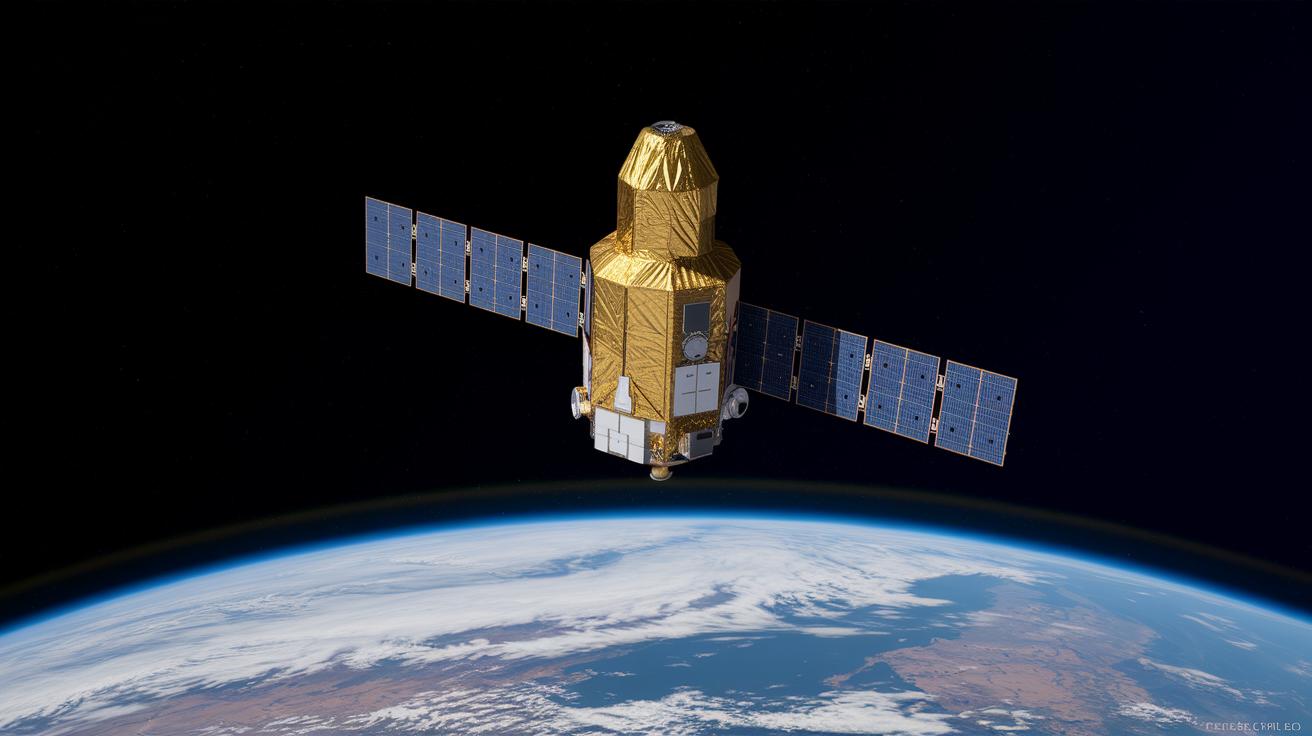
Starlink is stepping into an exciting new chapter that pushes satellite tech further than ever. The FCC (the government group that regulates communications) has given the nod for up to 12,000 V1 satellites, and they're planning around 2,000 more launches in 2024. Every launch highlights how innovative satellite engineering, like smart tracking and smooth inter-satellite coordination, keeps connectivity strong across huge distances.
At the same time, work on the Starlink V2 Mini is well underway. These next-gen satellites, weighing about 500 kg each, are fitted with more than 30 phased-array antennas (basically advanced antenna systems that guide signals precisely). With regulatory filings already in for expanding services into markets like India, parts of Africa, and Europe, a rollout is expected by mid-2024.
Looking ahead, Starlink might blend the old V1 low earth orbit system with the fresh V2 assets, forming a multi-orbit design that plays to the strengths of both. Plus, monthly over-the-air firmware updates (that's the software keeping everything updated) will ensure the full network stays at peak performance using the latest tech advances.
All these steps point to wider global connectivity while showing off SpaceX’s drive for steady improvement and clever problem-solving. It’s pretty inspiring to see this kind of hands-on innovation shaping our digital future.
Final Words
In the action, our discussion dove deep into spacex starlink, reviewing its network design, launch steps, and performance benchmarks. We covered the tech behind satellite deployment, user installation, cost options, and real feedback. The analysis compared service features with other internet options and hinted at exciting future upgrades. Each section offers technical insights and simple steps that make the complex feel accessible. It's clear that spacex starlink continues to drive digital progress, lighting up screens and sparking optimism among tech fans.
FAQ
What is Starlink by SpaceX?
The Starlink by SpaceX is a satellite internet service that uses low Earth orbit satellites to provide fast, reliable broadband connectivity even in remote areas.
How much will SpaceX Starlink cost?
The Starlink cost includes a one-time hardware fee of $499 and a monthly service fee of $99 for residential plans, with additional pricing options for business and mobile services.
How often can I see the Starlink satellites?
The Starlink satellites are frequently visible at dawn and dusk when they reflect sunlight, allowing you to observe them moving across the sky regularly.
Is Starlink a Wi-Fi or internet service?
The Starlink service delivers internet connectivity via satellites and comes with a Wi-Fi router for home network distribution, offering both internet access and local wireless coverage.
What are the SpaceX Starlink price and internet plans?
The Starlink offerings include a range of plans—from residential usage to business and mobile options—catering to different connectivity needs with competitive speeds and no strict data caps.
How does the Starlink map and tracker work?
The Starlink map and tracker display live satellite positions and coverage details, making it easier for users to monitor the network’s status and view real-time deployment information.
What is Starlink India’s status?
The Starlink India service is progressing through regulatory filings and is expected to launch soon, aiming to extend high-speed satellite internet connectivity to the region.
What is Starlink Mini?
The Starlink Mini refers to the upcoming next-generation satellites designed with improved phased-array antennas, supporting enhanced network performance and more efficient service delivery.

