
Ever wonder if your factory is really running at full speed? It might feel hard to believe, but even small changes in automation can boost production and cut down mistakes. Our smart solutions mix modern tech (like clean room setups and efficient material handling) with methods that actually work, speeding up every step. We’ve been fine-tuning these systems since 1992, growing hand in hand with industries across the globe.
In this post, we’ll dive into how practical automation tips can make production more efficient while creating a workspace that feels both high-tech and welcoming.
Achieving Operational Excellence with Automation Solutions
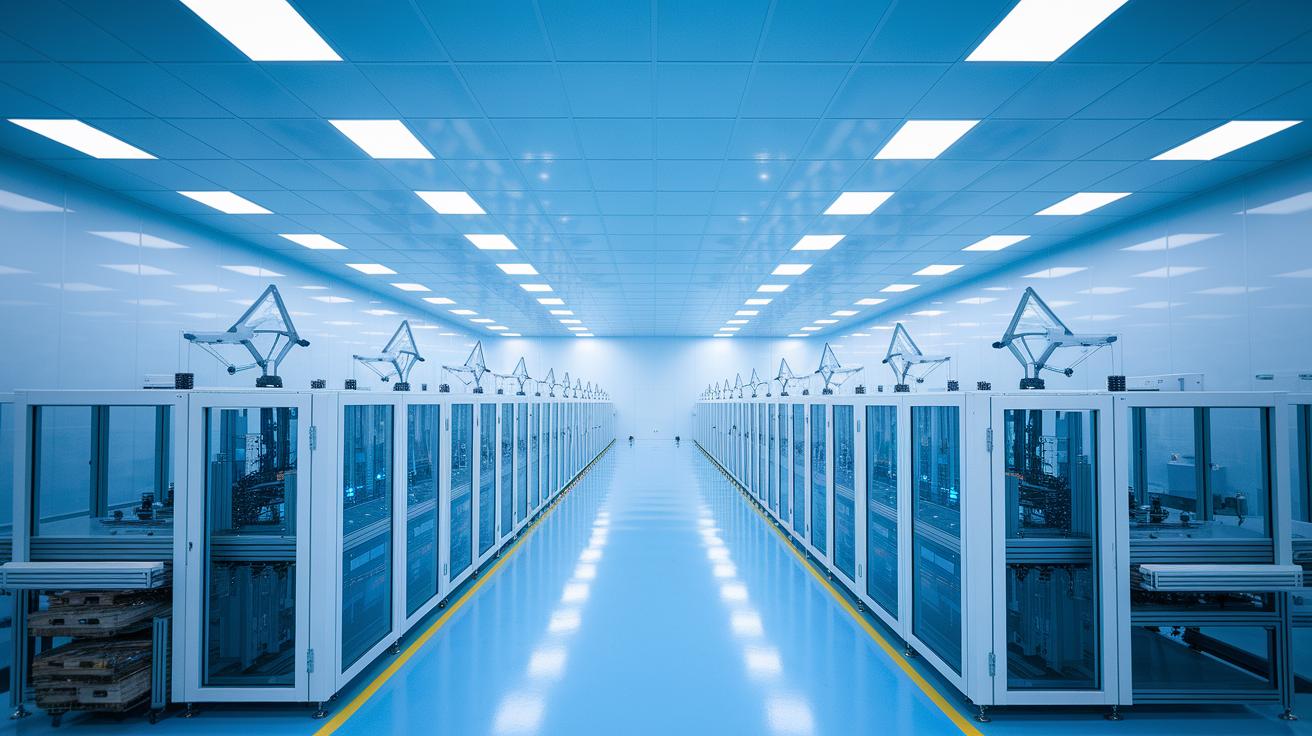
Our advanced automation solutions streamline production by merging the latest tech with reliable, all-around processes. Since 1992, our team has been delivering ready-to-run automation systems that set industry benchmarks. We expanded into Mexico in 2012 and later joined forces with a firm in Germany in 2020, boosting our global reach and operational expertise.
Our core services, like moving materials efficiently (intra-logistics), creating super-clean production areas (clean rooms), and installing complete automation lines, bring old systems into the modern age. Picture a production floor where automated clean room technology carefully controls the environment, ensuring each product meets high standards. Fun fact: a fully automated material handling system can double production speed while cutting down on errors.
Digital transformation in manufacturing happens through fully integrated process solutions that not only boost efficiency but also foster respect and teamwork. Each system is crafted with both performance and the human touch in mind, creating a friendly, community-like workplace that also keeps production smooth. Every day, our engineering experts fine-tune these strategies, ensuring that modern tech and efficient processes go hand in hand with today’s fast-moving industry.
Key Technologies in Industrial Automation Solutions

Efficient production hinges on programmable system controllers and distributed control solutions that work together like a well-tuned team handling complex tasks. Take the Siemens SIMATIC S7-1500 PLC for example, it’s a real powerhouse that coordinates loads of tasks smoothly. Picture a controller that instantly sends and receives real-time data from smart sensor networks to adjust a production line's speed, making sure every item meets quality standards. And here’s a neat fact: one smart sensor can check temperature, pressure, and humidity all at once, offering a clear snapshot of your manufacturing setup.
Industrial IoT and connectivity systems really tie everything together by linking devices from every corner of a facility. IoT gateways and cloud-based control systems let operators monitor and update the factory floor from anywhere, kind of like having a live video feed of your whole plant. When teamed up with distributed control solutions, these technologies cut down on downtime while adding a ton of flexibility.
Advanced DCS platforms, such as Experion PKS, deliver scalability, reliable performance, and built-in cybersecurity (basically, a set of measures to guard against digital threats). These extra security layers help keep unwanted interference and unauthorized access at bay. Meanwhile, CENTUM VP is designed to handle even the toughest conditions in oil and gas facilities by offering flexible, scalable process control.
Emerson’s DeltaV DCS shines with its flexible architecture, simplifying control processes across complex installations. On the other hand, Omron NX/NJ-Series Controllers mix machine control, safety, and IT into one smart package, making the production environment both safer and more intelligent. Together, these advanced technologies, from robust PLCs to modern sensor networks, form a solid automation backbone that not only boosts efficiency but also opens the door for future tech innovations on the production floor.
Robotics Integration in Industrial Automation Solutions
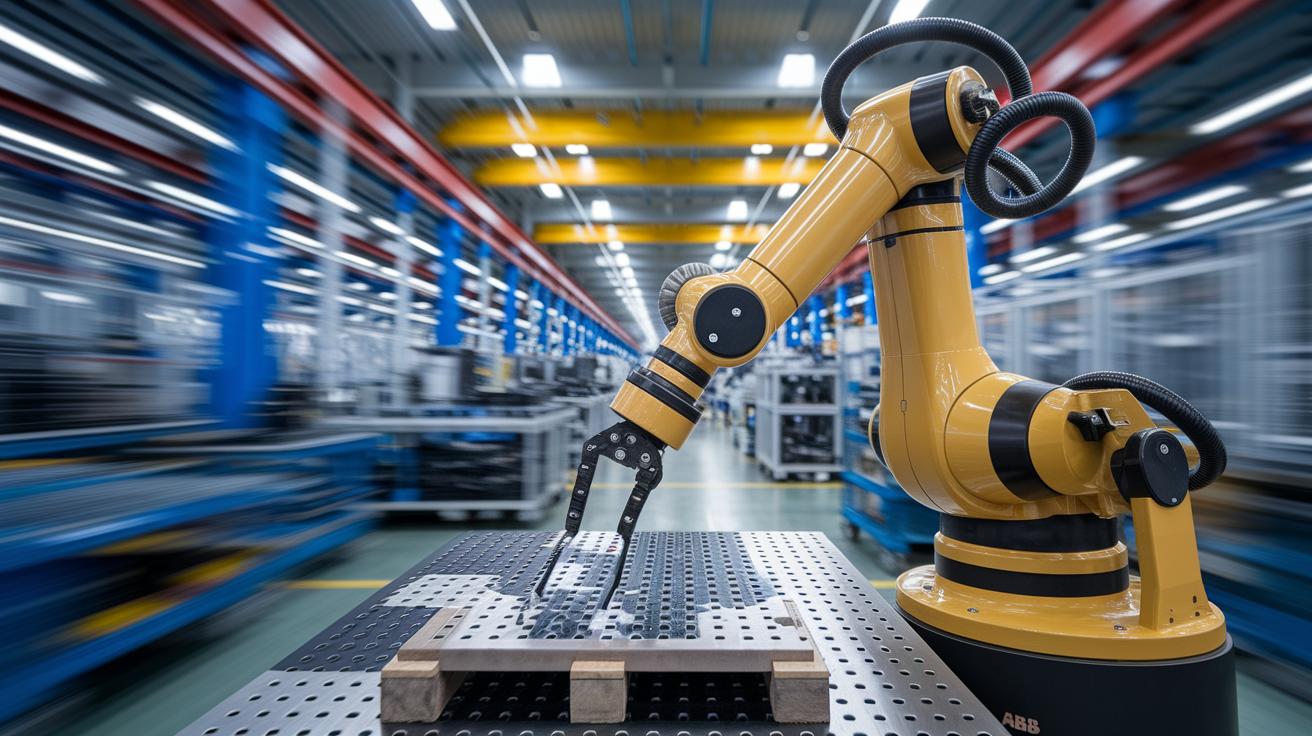
Modern robot systems are shaking up factory work. They take over tasks like assembly, picking, and moving materials. In simpler terms, imagine how much time and frustration is saved when robots handle what used to be a slow, error-prone manual job.
Take the ABB IRB 6700 robot family, for example. These robots deliver high-speed precision on assembly lines, ensuring every product is made with care. Before their arrival, workers had to load parts by hand. That manual process was not only tiring but also left room for mistakes.
Then there’s the FANUC R-2000 series. These robots are built to handle heavy loads on tough production lines. They promise smooth performance, even when the work gets intense. In tech speak, they excel at high-payload tasks, which means they can lift and move heavy items with ease.
Next up, KUKA KR QUANTEC robots. Think of them as the go-to choice for managing bulky material movements. They reduce the need for manual labor, helping factories boost their overall output. It’s like having a reliable digital assistant that never drops the ball.
Yaskawa Motoman AR-series robots add even more flexibility to the mix. With options for both arc-welding and collaborative tasks (cobots, which are robots designed to work side-by-side with humans), they open up exciting possibilities for smart automation on the shop floor.
And don’t forget about Epson LS-series SCARA robots. They specialize in pick-and-place operations, moving sensitive parts quickly and accurately. Picture it as the smooth transfer of a delicate object from one screen to another, balancing speed with precision.
Lastly, Standard Bots RO1 is stepping up the game with an 18 kg payload capacity. Its user-friendly, AI-powered, no-code control system makes integration almost effortless. In other words, you can add this robot to your workflow without diving deep into complex coding.
Together, these robotic solutions create a connected ecosystem that drives efficiency, slashes errors, and maximizes production on every line. Isn’t it amazing how technology continues to reshape the world of manufacturing?
Process Control and Real-Time Monitoring in Industrial Automation Solutions

Our monitoring features now bring together smart sensor fast feedback, vibrant dashboards, and manufacturing analytics that spot trends, all wrapped into the advanced DCS platform overview found in the Key Technologies section.
Smart sensors quickly flag any production changes and set off immediate alerts. Imagine a dashboard that immediately lights up with a quality warning as soon as a machine starts to stray from its regular performance.
Meanwhile, manufacturing analytics keep an eye on live data to recognize trends and help make quick fixes, ensuring every product meets our high standards.
DCS platforms such as Experion PKS, DeltaV, and CENTUM VP (as highlighted in the Key Technologies section) use closed-loop control to keep production steady and products consistent.
Networking and Remote Diagnostics for Industrial Automation Solutions

Industrial networking solutions form the backbone of modern facilities. A strong industrial control network paired with IoT control frameworks means every device communicates smoothly. With a cloud control platform linking all the pieces, operators can easily monitor operations across various sites. Siemens digital twin simulations even let you build a virtual replica of your setup, ensuring the network can handle today’s demands as well as future challenges.
In 2020, a major merger expanded global connectivity, linking production sites from the United States to facilities around the world. This worldwide network makes rapid troubleshooting and remote system checks a breeze, as seen at places like the IA South Facility in Montgomery. And with Omron NX/NJ controllers bringing together operational technology and information technology, even legacy systems work nicely alongside modern digital solutions.
Secure remote diagnostics are a top priority, achieved through robust cybersecurity measures. For instance, secure data exchange between devices is maintained with tools like network security software, which protect communication channels and the integrity of your data. Today’s industrial control networks also feature advanced fiber-optic links, wireless sensors, and a range of IoT gateways that perform real-time health checks, paving the way for proactive maintenance and steady performance.
Software Integration and Consulting Services for Industrial Automation Solutions
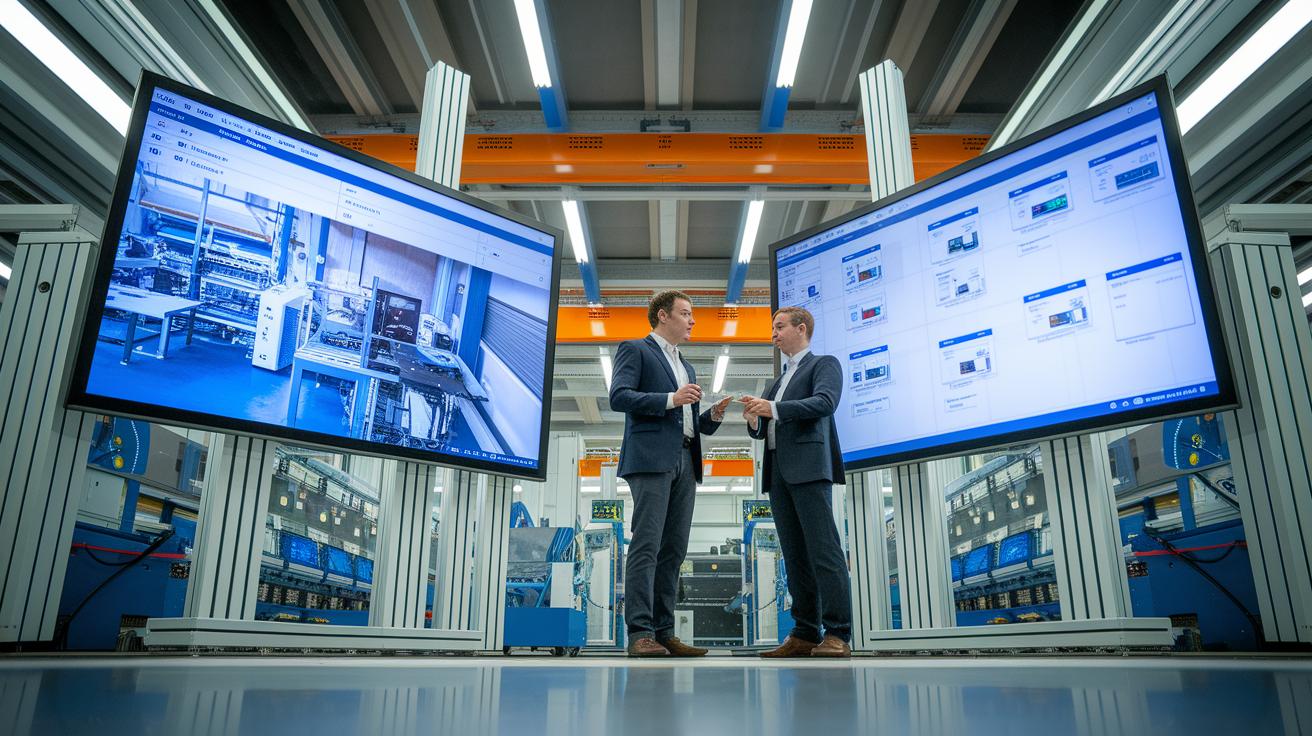
Automation software integration is at the heart of modern production. Companies use custom control software to link different systems, making sure everything runs smoothly. Take, for instance, the Scorpion Vision Machine by Advanced Integration Technology, it offers fast inspections that make quality control a breeze. And then there’s Rockwell Automation’s Allen-Bradley ControlLogix, which scales from one machine to a whole plant, so even the most complex setups stay reliable.
Imagine a plant where every software tool and integration method gets along like a band playing a perfect tune. Ever wonder how it feels when technology and production sync up seamlessly? One manufacturing manager even noticed a 30% drop in errors thanks to real-time monitoring with advanced diagnostic software. Cool, right?
Key elements include:
- Integration that connects diverse hardware
- Engineering that ensures everything works together smoothly
- Consulting services guiding you from start to finish
- Custom control software built to fit unique needs
- Engineering focused on long-term reliability
Our automation consulting services offer full-scale support, from sketching out the system to fine-tuning it after deployment. Our engineers work side by side with you, using proven methods to cut downtime and boost productivity. This hands-on, customer-first approach means you get solutions that are not only reliable and scalable but also perfectly tuned to your specific challenges.
Implementing Industrial Automation Solutions: Best Practices

Taking a step-by-step approach can really smooth out the bumps while setting you up for long-term gains. Start with a careful look at your current site and workflows, almost like laying out a blueprint before starting construction. It’s amazing to think that one pilot project at a facility bumped output by 20% in only one month!
Pilot installations let you test the tech in real time and gather handy feedback to refine your process. Small-scale trials help smooth out the integration of control systems, ensuring everything clicks into place. And don’t forget operator training, hands-on sessions build real confidence and make the changeover feel natural.
Consider these automation best practice strategies:
- Conduct a thorough site assessment to spot clear opportunities for digital upgrades.
- Run pilot installations that let you adjust in real time while keeping business operations steady.
- Organize operator training sessions to empower your team with practical, hands-on experience.
- Implement a phased cutover plan that gradually shifts from old systems to the new tech.
- Rely on ongoing support from multidisciplinary teams that foster collaboration and respect.
Planning upgrades in small, manageable steps helps keep the entire factory system flexible and in line with your broader goals. Regular checkpoints and simple governance structures make it easier to catch issues before they become big problems. In the end, you’ll have a smoothly running, scalable production environment that not only maximizes ROI but also keeps your workforce engaged and excited about their new digital setup.
ROI and Cost-Benefit Analysis of Industrial Automation Solutions
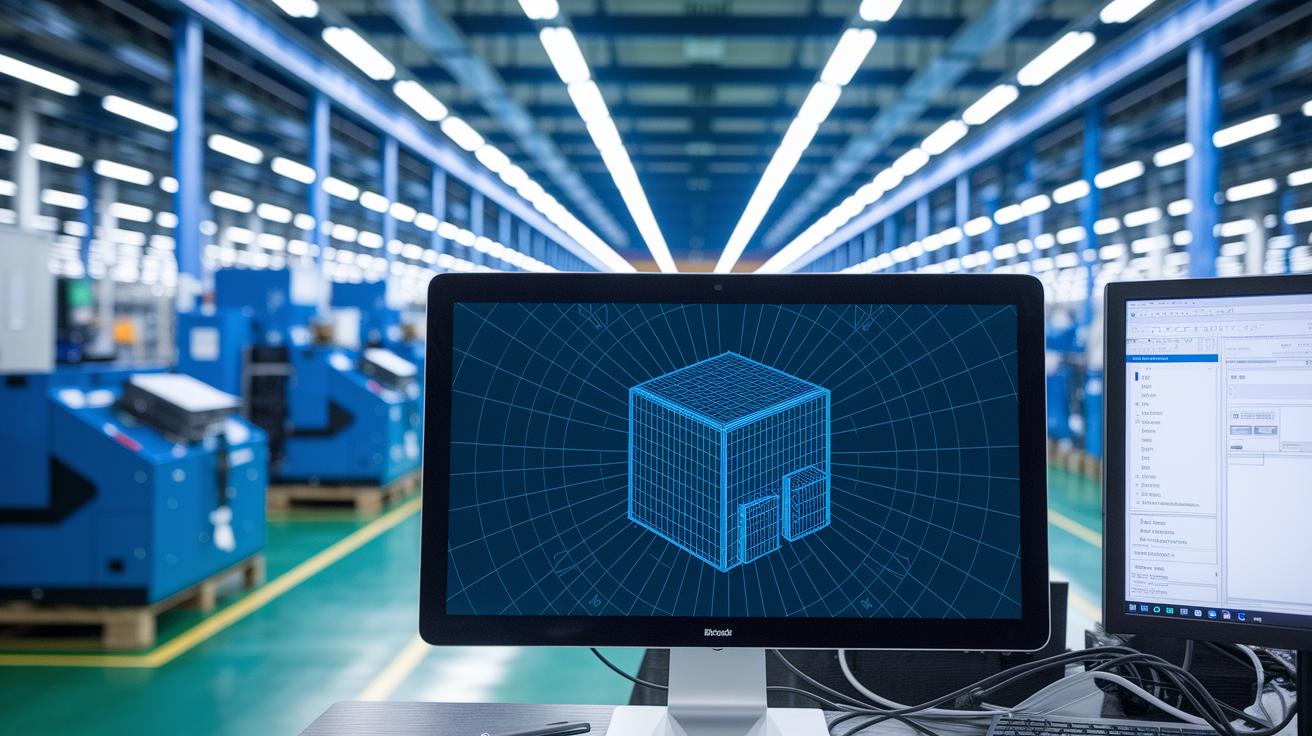
When you bring automation into your production line, you’re not just spending money, you’re investing in clear, measurable gains. Digital twin models, which are computer simulations of real production environments, can boost throughput by 15-25%. Picture this: one plant upped their hourly production from 100 units to roughly 115-125 without racking up huge extra costs. Amazing, right?
Predictive maintenance is another real game-changer. With sensors and smart analytics that act like an early-warning system, machines can be serviced before small issues snowball into major breakdowns. This tech can reduce downtime by up to 30%, meaning fewer unplanned stops and smoother operations overall.
Energy management also plays a big role. Systems like Schneider’s EcoStruxure help cut energy use by as much as 20% by using real-time dashboards to pinpoint exactly where waste is happening, so you can trim costs without sacrificing performance.
Then there are manufacturing analytics tools that tie everything together. By tracking key performance indicators, these tools make it easy to see fast payback periods and lasting benefits, lowering labor costs and boosting both yield and quality.
| Metric | Improvement |
|---|---|
| Throughput | +15-25% |
| Downtime | -30% |
| Energy Savings | Up to 20% |
Case Studies of Industrial Automation Solutions in Practice
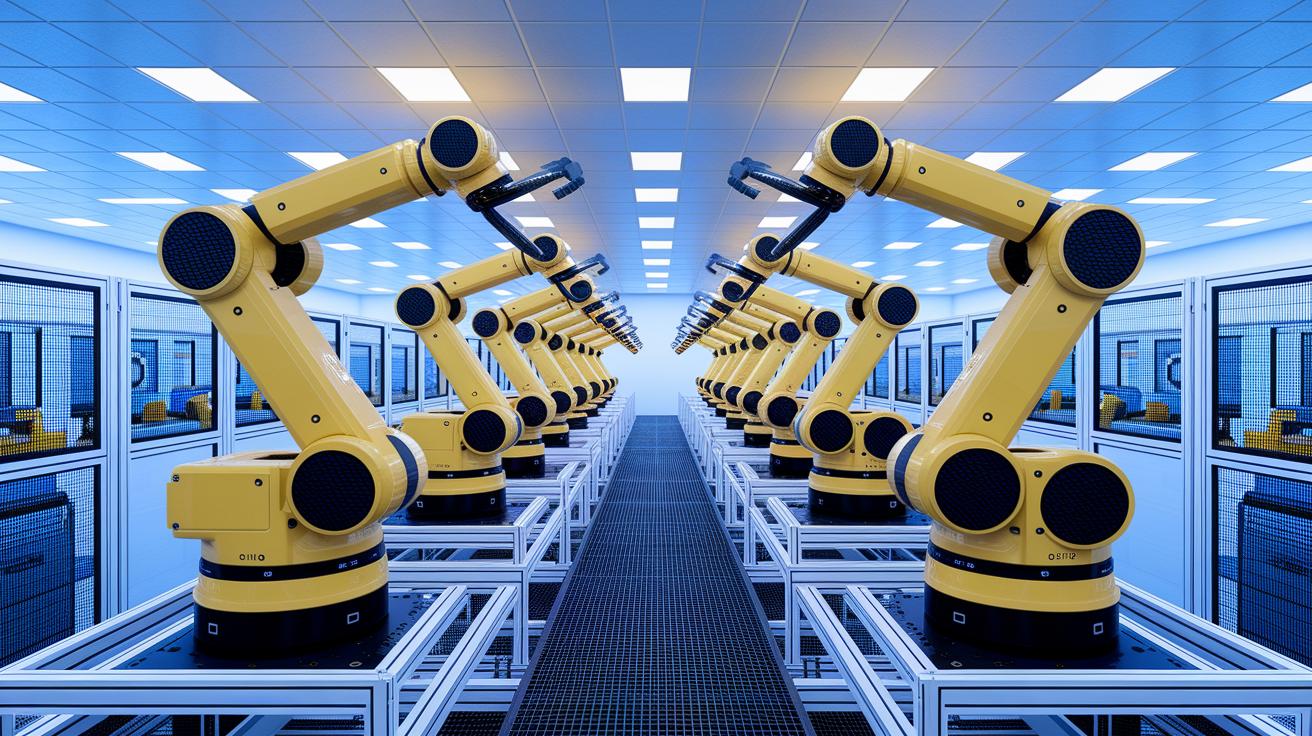
At our Rochester Hills headquarters, we recently transformed an old-school assembly line into an efficient, fully automated production cell using our custom systems automation. Imagine a facility where every action is streamlined and machines team up with smart sensors, creating a flow of precise, coordinated moves. For instance, one plant achieved a 25% reduction in cycle time by integrating turnkey clean room systems with seamless intra-logistics lines. It’s a win that really speeds up production.
Over at the Montgomery IA South Facility, our engineers rolled out an innovative automated assembly line design that not only boosted efficiency but also cut labor costs by 15%. Picture a workspace where robots take over the routine tasks, easing operator fatigue, and every transfer happens without a hitch. Think of it as swapping error-prone manual steps with smart, automated precision that leads to quicker production and fewer slip-ups.
In Querétaro, the story gets even more impressive. The facility integrated fully automated workflows with cutting-edge clean rooms and intra-logistics systems, which trimmed quality defects by 10%. Visualize a production floor where each part moves effortlessly from one process to the next, ensuring both speed and top-notch quality.
| Location | Result |
|---|---|
| Rochester Hills | 25% faster cycle time |
| Montgomery IA South Facility | 15% reduction in labor costs |
| Querétaro | 10% decrease in quality defects |
These real-life examples show how tailored automation can drive smart production across different sites. By merging automated workflow systems, bespoke systems automation, and robust assembly line designs, each facility now runs with significantly improved performance.
The advanced techniques used in these projects highlight the transformative power of comprehensive automation. These practical shifts from outdated methods to smart, data-driven production prove that integrating cutting-edge technology can truly empower more efficient manufacturing.
Future Trends in Industrial Automation Solutions
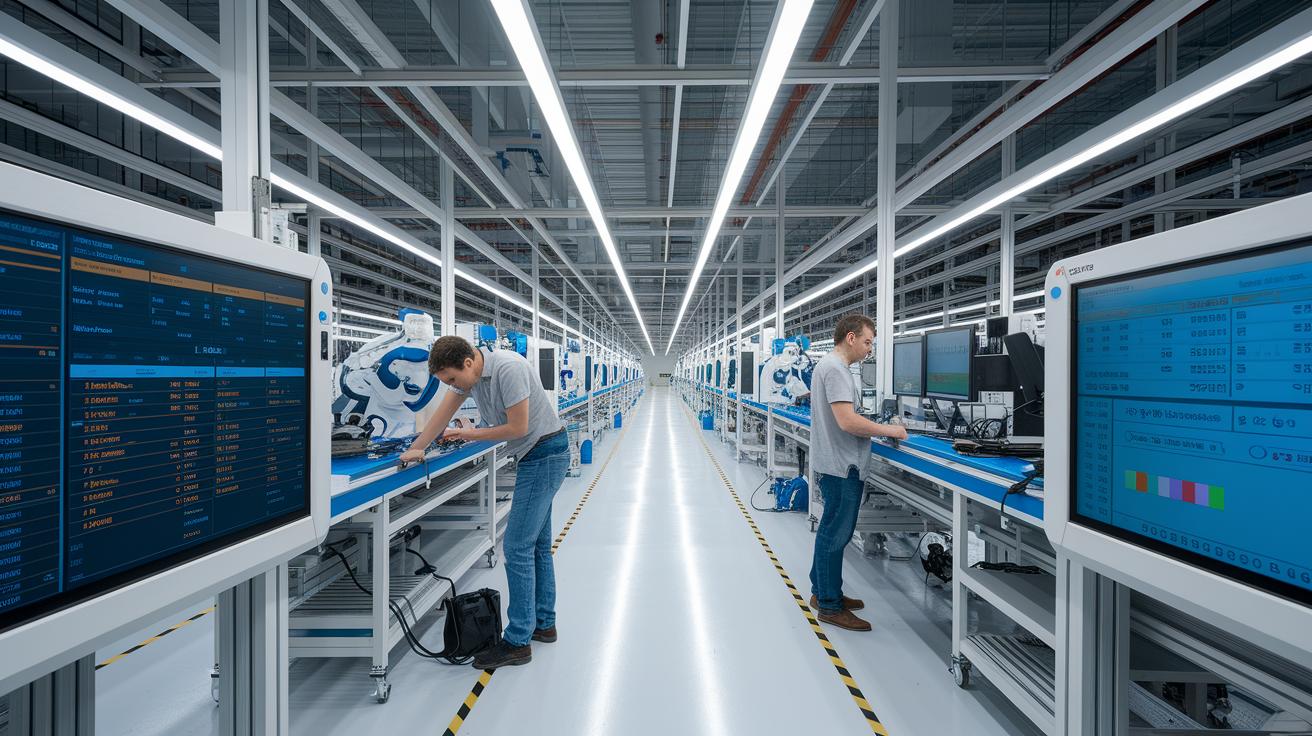
Manufacturing is buzzing with change as smart production platforms and digital factory management join forces with data-driven automation. AI-powered control loops now tweak processes instantly, smoothing out production flows and cutting down waste. Imagine a production line where machines learn from past data and fine-tune their own operations in real time, that’s next-gen automation in a nutshell.
Digital twins are making a splash by letting engineers build virtual copies of actual operations. These replicas help teams test changes on a computer before applying them on the shop floor, much like trying out a game level before the final play. Virtual commissioning, for example, minimizes on-site hiccups and builds more reliable systems.
Humans and robots are starting to work side by side like never before. This friendly collaboration makes it easier for operators to handle automated systems, and predictive analytics (advanced data tools that spot potential issues) add another layer of smart control to preempt disruptions. It really feels like the future is here.
Even as production gets smarter and more connected, strong cybersecurity measures ensure everything stays safe and sound. Curious about how these innovations come together? Check out technological innovation examples to see how smarter, safer, and more efficient factories are taking shape.
Final Words
In the action, we broke down various aspects of automation, from key technologies and robotics integration to real-time monitoring and remote diagnostics. We looked at solid process control, software integration, and even real-life case studies that prove the impact of end-to-end automation.
Each section painted a clear picture of how smart systems elevate performance. Together, these insights help illuminate the value of industrial automation solutions, empowering teams to achieve smooth, efficient digital workflows.
FAQ
What do industrial automation solutions reviews and websites reveal?
These reviews and websites reveal customer feedback, service quality, and detailed information about automated production solutions, showcasing real-world performance and technical expertise in industrial automation.
What defines an industrial automation services company or LLC?
An industrial automation services company or LLC delivers end-to-end solutions by designing, installing, and supporting automated systems that include robotics, control systems, and software integration to boost production efficiency.
What can I learn from regional queries like Industrial Automation Solution in Delhi and Rochester Hills?
Regional queries highlight local providers offering tailored automation solutions and support services, addressing specific manufacturing needs in areas like Delhi or Rochester Hills, and ensuring smooth integration with local operations.
What are the four types of industrial automation?
The four types include fixed automation, programmable automation, flexible automation, and integrated automation, each differing in system flexibility and production reconfiguration capabilities to suit various manufacturing tasks.
What are the three major systems used in industrial automation?
The three major systems consist of programmable logic controllers (PLCs), distributed control systems (DCS), and supervisory control and data acquisition (SCADA), each managing control tasks and monitoring process variables in production environments.
What are industrial automation services?
Industrial automation services offer turnkey solutions that cover system design, installation, and ongoing support, including robotics, process control, and software integration, to modernize and streamline manufacturing operations.
What are some examples of industrial automation?
Examples include robotic arms for assembly, sensor networks for real-time monitoring, and cloud-based control systems that optimize production processes, reducing errors and enhancing overall efficiency.

