
Ever wonder if being good with tech or connecting with people is more important? Balancing hands-on digital skills with clear, friendly communication might be your secret weapon at work. Research shows that while tech know-how helps you handle everyday tasks, having strong people skills can really boost team success. In this post, we’ll chat about how refreshing your technical toolkit and fine-tuning your soft skills can give you that extra boost and open up fresh opportunities. Ready to see why mixing both sets of skills is key to growing your career?
Understanding Technical and Soft Skills in the Workplace
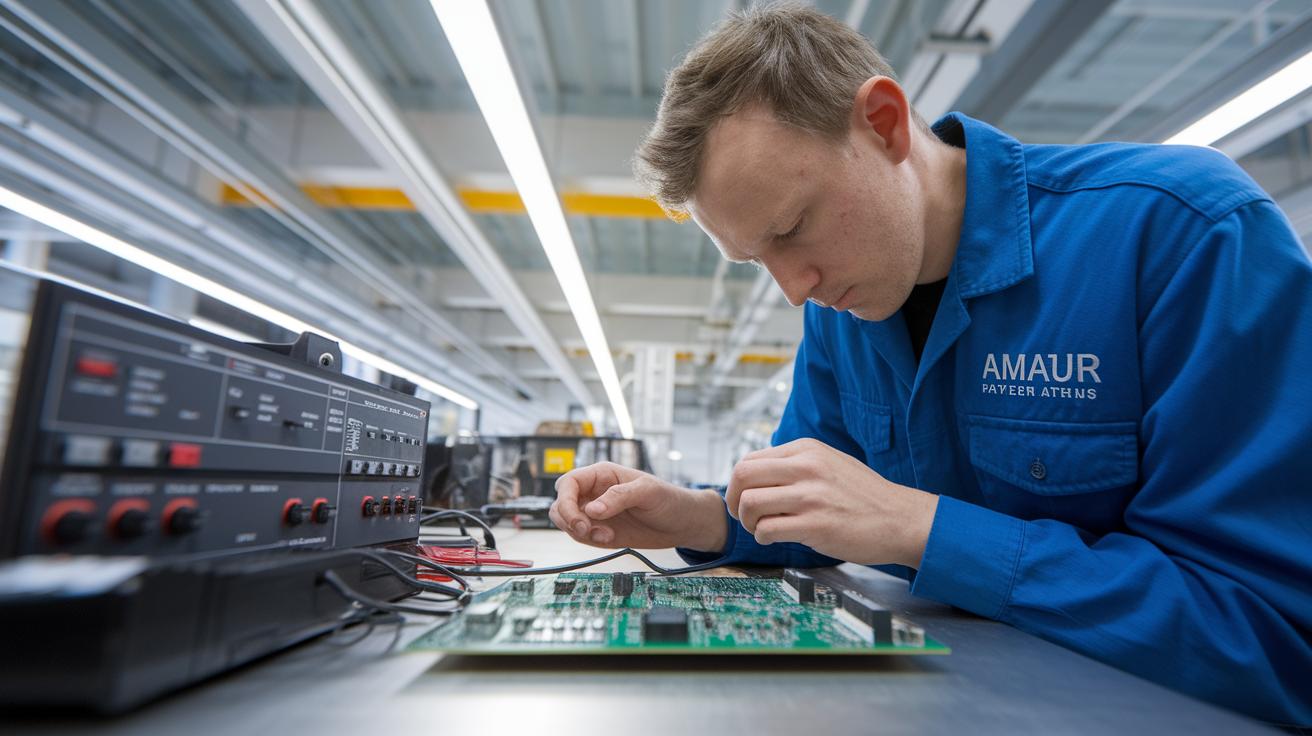
Technical skills are abilities you can measure, learned through formal education or hands-on practice. They cover things like coding, data analysis, and handling specialized equipment. Imagine these skills as the building blocks you need for specific job tasks. For example, a technician learns clear, step-by-step methods to diagnose a machine fault. Fun fact: studies show these skills tend to fade, with a half-life of about 2.5 years, which means you need to update them regularly to keep up with fast-changing technology.
On the other hand, soft skills come from daily life and personal growth. They include clear communication, leadership, problem-solving, and emotional intelligence. Think of a team meeting where open discussion paves the way for project success, or a leader who steers the group through unexpected challenges. Managers usually spot these skills by watching how you act day-to-day rather than using a test, making them harder to pin down but absolutely crucial for working well with others.
Here’s an eye-opener: 84% of managers value soft skills in newcomers, while 83% of HR pros say there are noticeable gaps in technical skills. This shows how companies are juggling the need for both strong technical know-how and excellent people skills. With just 30% of employees having all the skills needed to shine, it’s clear that both individuals and organizations must keep learning. In essence, striking the right balance between technical expertise and soft skills is key to boosting your career and staying ahead in today’s fast-evolving work environment.
Deep Dive into Technical Skills and Expertise

Common Technical Skill Categories
Technical skills are built through clear learning paths that include formal training, certifications, and plenty of practice. They cover areas like programming languages, data analysis, network security, and managing equipment. For example, a software developer might boost their coding skills by learning Python, while another professional sharpens their data analysis using statistical tools. These abilities are honed in well-designed courses and real-world projects that truly add value.
The Half-Life of Technical Knowledge
Technology moves fast, and what you learn today might be outdated in about 2.5 years. It's a lot like getting frequent software updates on your smartphone, new features keep coming, so you need to keep learning. That means business leaders have to plan for continuous skill upgrades to keep their teams ready for the next big thing.
Assessment and Certification
Companies often check technical skills with hands-on tests, vendor certifications, and detailed portfolio projects. Imagine facing a live coding challenge or troubleshooting network problems in real time, it's a practical way to prove what you know. In fact, 83% of HR leaders say there are gaps in technical skills. Tools like Nestor AI, which creates skill maps by grouping related abilities, are helping companies easily spot and improve areas where skills might be lacking.
Exploring Soft Skills and Interpersonal Growth

Soft skills are super important in today’s digital work world. They cover the ways we connect with each other, like talking clearly, guiding teammates, understanding feelings, and solving disagreements. We pick up these abilities every day, whether it's a quick chat with a coworker, advice from a mentor, or a friendly nudge during a challenging project. Imagine a team member breaking down a tricky plan into simple steps; that’s clear communication in action. And when problems pop up, a leader who steps in with care can make all the difference. In fact, a 2023 report noted that nearly half of the top skills valued today are about these human touches, especially as more young folks join the scene.
Key Soft Skill Categories
Good communication helps everyone share ideas fast and sort out issues before they escalate. Leadership is all about inspiring others and making smart calls when things get tough. Empathy builds trust by showing you care about your teammates’ feelings, and conflict resolution turns tense moments into chances to grow. Ever seen a leader pause, listen closely, and turn a problem into a learning opportunity? That’s the magic of these skills in action.
Measuring and Feedback Methods
You might wonder, how can we tell if we're really nailing these soft skills? Companies often use friendly interviews that dive into real work stories, ask for honest peer reviews, or even encourage a bit of self-checking. These methods help paint a clear picture of how well someone works with others and adapts to new challenges. It’s all about recognizing where you shine and where there's room to level up.
Comparing Technical and Soft Skills: Key Differences and Synergies

This section digs into fresh ideas that build on our earlier talks. In today’s innovative projects, blending solid technical know-how with strong people skills helps teams adapt quickly. For example, a tech startup recently revamped its system: engineers developed a new feature and then hosted live demo sessions. Fun fact: a developer once transformed a routine software update into an interactive workshop, making it easy for non-tech colleagues to grasp advanced features.
Companies are now experimenting with training programs that mix coding boot camps with drills in communication and leadership. Think about agile teams: engineers tackle a quick coding challenge and then jump into a debrief discussing what worked and what didn’t. This approach creates a space where technical skills and creative problem-solving flow naturally.
Imagine a scenario where a development team rolls out a new API (a set of rules for connecting software applications) alongside open Q&A sessions to highlight its real-world benefits. This combined method not only speeds up project cycles but also boosts team confidence and understanding across departments. Here's a practical tip: in your next project, try pairing a hands-on technical test with a roundtable discussion. The test measures your skills while the chat shows how those skills align with broader business goals.
| Key Insight | Real-World Impact |
|---|---|
| Integrated Training Sessions | Teams quickly implement code improvements and share lessons on the fly. |
| Interactive Workshops | Engineers mix technical demos with live Q&A, boosting clarity across teams. |
| Agile Practice | Short coding challenges paired with team debriefs spark immediate innovation. |
| Collaborative API Launches | Live explanation sessions make adopting new software tools smoother. |
These evolving practices help companies move beyond simple skill tests. They foster a dynamic work culture brimming with clear communication and shared technical growth.
Strategies for Developing and Maintaining Technical Expertise

Investing in your tech know-how is all about following a growth plan that mixes learning with real-world doing. It's like having a digital toolkit where you add cool new tools through courses and certifications, and then actually use them in everyday challenges. This approach makes sure your technical skills are always sharp, even as things change super fast in the tech world.
Here are some hands-on methods to boost your technical expertise:
- Structured online and classroom courses
- Vendor and industry certifications
- Real-world project assignments
- Mentorship and peer coaching
- AI-driven skills mapping (think of it as using smart tools to see where you shine and what needs a bit of work)
- Quarterly skills audits
Each tactic plays its part in keeping your expertise fresh. For instance, when you mix classroom lessons with real projects, you turn theory into practice that you can really feel. And chatting with mentors and peers gives you insights that no textbook or video can capture. With AI-driven platforms, you get a clear roadmap of your strengths and the areas you could polish up, all tracked neatly with regular reviews. Embracing this blend of learning helps not only you but also your whole team stay on top of the game in our ever-evolving digital world.
Effective Methods for Enhancing Soft Skills in Tech Roles
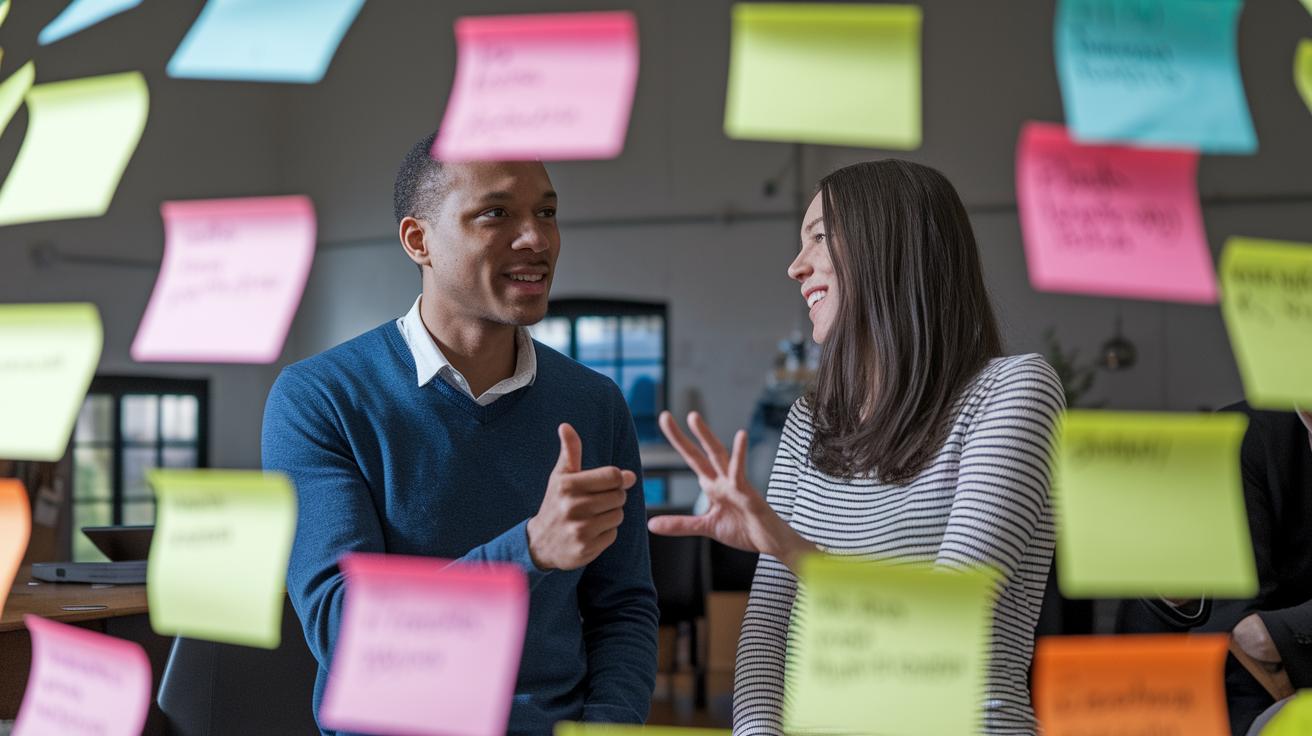
In tech jobs, boosting soft skills is as much about genuine connection as it is about mastering code. One fun way to build these abilities is through interactive, hands-on workshops that simulate real workplace challenges. Imagine your team diving into scenario-based sessions where the focus is on clear chatting and making quick decisions, almost like running a live beta test of your communication skills.
Role-play sessions let individuals try on leadership roles for a change. It’s like getting a sneak peek into what empathy and flexibility look like in action when handling team disagreements. These exercises add a human touch, showing how practical and essential these skills are.
Then there’s behavior-based coaching, a method where experienced mentors share real stories and give on-the-spot feedback. Picture a coaching session where an employee practices solving a client issue while receiving live tips on tailoring responses for different situations. It reminds me of debugging a program: sometimes small tweaks can make a huge difference.
Finally, peer-to-peer feedback paired with rotating team lead roles creates a vibe of shared learning. Regular reflection meetings and all-around feedback loops offer a full view of your performance, much like getting a system update that fine-tunes your setup. This blend of practical exercises and real-time insights helps tech pros sharpen their soft skills while staying agile and ready to innovate every day.
Building a Balanced Skill Set: Integrating Technical and Soft Capacities

Collaborative Projects
Working on projects together is a fun mix of tech skills and people skills. Think about a team where some folks dive into coding challenges while others join in a quick chat to share ideas and feedback. Picture developers crafting efficient code and then running a short meeting to break down their design choices. This hands-on work teamed up with discussion sessions not only sharpens your technical abilities but also builds key soft skills like clear communication and teamwork.
Measurement and Evaluation
Keeping track of both hard and soft skills is a must. Companies often use a blend of performance metrics and balanced scorecards to measure progress. These tools check tangible things like improved code quality or system efficiency, while also looking at softer factors like how well team members communicate. For example, a scorecard might show your accuracy in coding alongside peer reviews on collaboration during project debriefs. This dual checkup helps leaders spot areas needing improvement, making sure technical and interpersonal skills grow hand in hand.
AI-Driven Integration
Modern platforms like Nestor AI are transforming the way we track and develop our skills. These smart systems map out detailed profiles of team members, covering everything from technical certifications to teamwork qualities. By regularly updating this data, organizations get real-time insights on where training is needed most. In a nutshell, it’s a dynamic, balanced approach that supports continuous growth and ensures everyone is geared up for success.
Demonstrating Technical and Soft Skills on Resumes and Interviews

When you build your resume, begin by spotlighting your tech skills with numbers that matter. For example, say something like "Built a data pipeline that cut processing time by 40%" to show your real impact. Adding certifications, special training, or big project wins helps prove you know your stuff. Trust me, numbers and percentages make your work feel real and measurable.
Pair those tech skills with your soft skills using a method called STAR, which breaks down your story into Situation, Task, Action, and Result. Ever wonder how to show off teamwork or leadership? Try a line like "Led a cross-team effort to speed up delivery" to highlight your ability to work well with others. These short stories let employers picture you solving problems and communicating clearly.
Don’t forget to weave both your technical wins and people skills into every part of your application, whether it’s your job descriptions, cover letters, or portfolio projects. Use simple language that not only connects with hiring managers but also makes it through automated filters. Highlight key traits like clear communication, resolving conflicts, and being a team player, along with your technical know-how. Every section is a chance to share your journey, backed by real numbers and real examples.
Leveraging Training Resources and Tools for Ongoing Skill Growth

High-impact training platforms are real game changers, they boost skills in a way that shows up in measurable results. For instance, employees using smart, bite-size digital learning modules can hold onto knowledge 25% better. And get this: teams in targeted digital training sessions have seen productivity jump by 30% during live problem-solving drills.
In-house workshops and bootcamps add a whole new level of interaction. They mix real-world projects with on-the-spot mentoring, going way beyond those self-guided online courses. Picture a live coding demo where instant feedback sparks quick insights. It's like the buzz of a well-designed interface lighting up your screen just when you need it most.
One tech firm even reported a 35% rise in project completion rates after they combined structured online lessons with hands-on, team challenges. Imagine experts guiding small groups through a project tailored to solve real client issues, each piece of code, every suggestion, was directly linked to a real-life scenario.
Blending digital learning with live, collaborative sessions builds not only technical skills but also soft skills like teamwork and quick problem-solving. This hybrid approach clears the path for continuous growth while setting clear, measurable targets for professional development.
Final Words
In the action, we explored how technical and soft skills fuel workplace innovation. The article broke down critical insights on coding expertise, data analysis, and effective communication. We examined upskilling plans, hands-on training, and peer feedback that balance measurable tasks with interpersonal growth.
These strategies help you build a dynamic profile that shines in resumes and interviews. Emphasizing well-rounded technical and soft skills fosters a work environment where creativity and practical know-how merge. Stay curious and confident as you integrate these insights into your daily digital practices!

