
Ever notice how traditional labs are stepping aside? Digital labs are now pushing innovation in ways we never expected. These modern workspaces mix smart tools with cloud testing (a method where tests run in online environments) to quickly deliver insights and faster outcomes.
This means less time on routine tasks and more time solving real challenges. Curious about how this digital shift is speeding up research and testing? Get ready to explore a fresh, tech-infused look at the future of scientific experiments.
Digital Lab Defined: Overview of Virtual Platforms and Traditional Lab Digitalization

A digital lab is a modern workspace found in companies and schools that swaps out old paper methods for smart lab tools and information systems. It keeps data accurate and easy to get while helping teams run experiments, from chemical tests to software trials. It’s a hands-on hub where learning and professional research meet in a really practical way.
- integrated instruments
- automated data capture
- cloud access
- real-device testing
- agile support
- informatics integration
Virtual lab platforms work in the cloud, letting you access real devices and browsers through automated setups. They’re built for testing mobile apps and websites, checking functionality, regression, and even accessibility, all while keeping the system up and running smoothly. Meanwhile, physical labs that have gone digital still use real instruments upgraded with digital systems to cut down on paperwork and speed things up.
Both approaches aim to boost workflow and get faster, better feedback. But virtual labs usually offer greater scalability and remote access, making them a top choice for quick, collaborative testing sessions.
Digital Lab Features and Benefits for Research and Testing

Imagine a digital lab that grows exactly when you need it. When testing demands spike, like during a big software update, the lab can instantly add more virtual devices to keep things running smoothly.
Automation takes away the boring work. When tests run on their own, you can spend your time solving cool problems instead of doing repetitive data entry. For example, you might get a quick alert when a test passes or fails, helping you jump into action without delay.
Finding data becomes a breeze too. Digital records are neatly stored in searchable formats, so it’s like having a smart filing cabinet that pulls up exactly what you need in seconds, no unwanted digging through paper stacks.
Costs also stay low. Since digital systems replace heaps of physical files, you don’t have to worry about the extra expenses of paper preservation or manual record keeping. It’s a smart way to save money while keeping every important detail intact.
Plus, with AI tools (computers that learn from data) built right in, labs can spot trends and make sense of complex numbers faster than ever. It’s like having a digital assistant that helps predict what comes next, making your research more precise and your testing more insightful.
Digital Lab Technology and Tools

Digital lab tech relies on strong integration platforms and smooth APIs (those are the rules that let different software talk to each other). Think of platforms like Scitara DLX as the magic glue that unites scattered instrument data into one clear, shared format. These systems let data flow effortlessly from physical lab instruments to sleek digital interfaces. And thanks to cloud-based tools, testers can even access real devices or browsers for web and mobile trials. It’s like having a mini lab inside your computer that lets you simulate real-life scenarios, generate test data on the fly, and double-check websites on any browser. It all comes together to form a digital lab where performance tracking and automated data capture aren’t extras, they’re essential.
| Tool | Function |
|---|---|
| Scitara DLX | Converts various instrument data into a unified format |
| Service Virtualization | Mimics systems that are too complex or missing for testing purposes |
| Synthetic Data Generation | Produces realistic test data to mirror real situations |
| Cross-Browser Testing | Checks that websites work well on different browsers |
| Automation API | Streamlines and automates testing processes |
When picking out tools and platforms, always look for qualities that promise lasting value. Choose systems known for reliable uptime and interfaces that feel intuitive whether you’re on desktop or mobile. The architecture should be scalable, ready to handle more data as experiments grow. And integration? It should be flexible enough to connect easily with your existing lab gear, irrespective of vendor differences. You also want a platform that supports constant testing feedback and performance checks, ensuring data stays solid while boosting the rhythm of agile development. In the end, selecting the ideal digital lab tech means balancing what your lab needs today with the innovative testing workflows that pave the way for tomorrow.
Industry Applications of Digital Lab Solutions
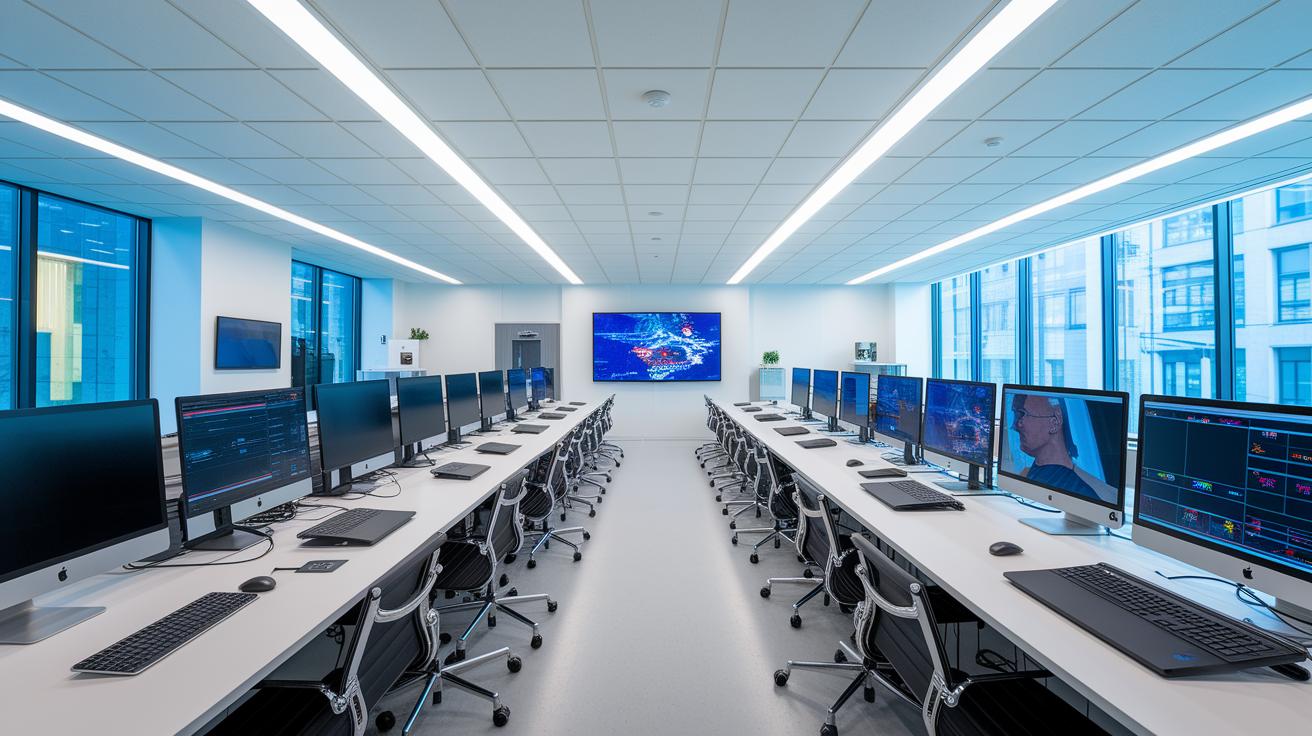
Media companies are harnessing digital labs to create stunning visuals and smooth film transitions. In these creative hubs, high-res image editing tools team up with interactive media platforms to build immersive storytelling spaces. Ever wonder how far we've come? The very first digital animation took over 100 hours to render, a challenge that today's labs have completely streamlined, fueling fresh ideas in multimedia production workshops.
Forensic experts have jumped on the digital lab bandwagon, too. Instead of wrestling with bulky paper logs, they now use electronic systems that secure evidence and speed up the entire process. These labs capture data rapidly and accurately, ensuring sensitive details stay safe and regulations are met with confidence.
Dental and medical researchers also reap big rewards from state-of-the-art digital labs. With top-notch imaging suites and simulation workshops at their fingertips, medical teams can perform advanced dental imaging and run precise experimental simulations. Digitizing traditional methods not only cuts errors but also speeds up diagnosis, giving clinicians sharper insights in both research and treatment.
Academic research has embraced digital transformation as well. At events like Lab of the Future Europe in Amsterdam (Sep 30–Oct 1, 2023), fields like pharmaceutical research have shown how integrated digital solutions can simplify experiments and offer real-time data analysis. These innovations are sparking collaboration and driving a wave of fresh ideas across research institutions worldwide.
Digital Lab vs Physical Lab: A Comparative Overview
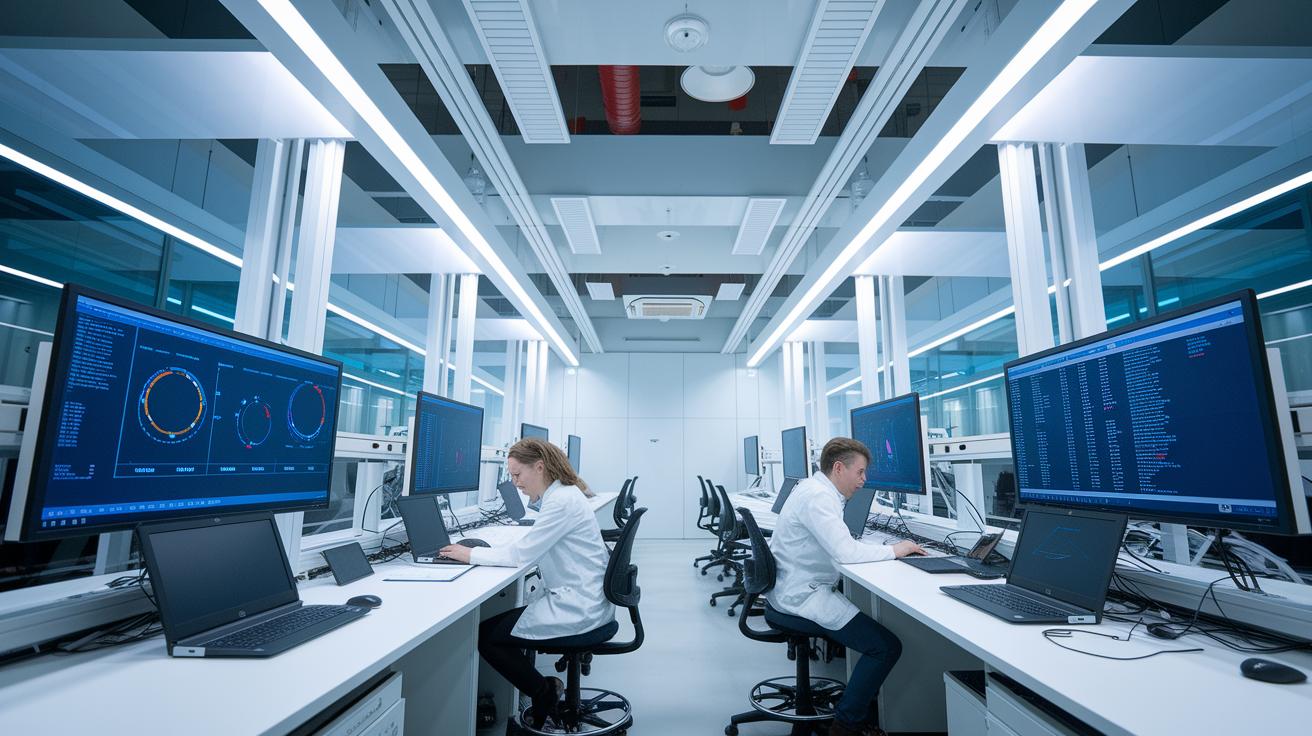
Digital labs mix central data storage with real-time teamwork, making experiment management way easier. In these setups, every record and test result gets stored in one easy-to-access place, so you won't be sifting through endless paper logs. This streamlined system chops off repetitive tasks and helps teams keep pace with rapid developments.
Physical labs, on the other hand, lean on manual record-keeping that can really slow things down and often repeats efforts. In essence, while digital labs deliver faster, scalable solutions with sharp data oversight, traditional physical labs can delay results and rack up higher upkeep costs.
| Aspect | Digital Lab | Physical Lab |
|---|---|---|
| Data Management | Centralized storage, easy retrieval | Manual logs, paper-based files |
| Scalability | Virtually unlimited expansion | Limited by physical space |
| Maintenance Costs | Lower thanks to automation | Higher due to manual upkeep |
| Research Speed | Faster analysis with real-time data | Slower because of manual processes |
All in all, digital labs clearly beat physical labs when it comes to smooth data handling and quick innovation.
Overcoming Digital Lab Transformation Challenges

Getting everyone on board with new business goals isn’t easy. When teams try moving from old-school methods to a digital lab setup, time and resources can really hold them back. Imagine trying to update a shared app where everyone has to click “install” on the latest version at the same time. With tight budgets and limited time, many groups find it tough to unite their teams and gather enough funding.
Then there's the tricky part of technical integration. Different lab instruments churn out data in all kinds of formats, making it hard to combine everything into one smooth system. Think of it like mixing several flavors into one perfect smoothie where no taste overpowers the others. Sorting out these differences, so everything speaks the same language, saves loads of time and slashes the risk of errors.
Finally, there’s the decision between creating your own system or choosing a cloud-based digital lab. Weighing upfront costs, how easily the system can grow, and long-term upkeep is no small ask. Many organizations end up favoring vendor platforms with cloud capabilities because these setups are flexible and come with lower initial costs. This approach makes the leap to digital much smoother for those who are ready to dive into innovation.
Digital Lab Drives Future Innovation

A digital lab sparks breakthrough ideas by making research and testing more effective. It all starts with syncing the right technology to fit your project's needs, using clear, practical steps. Think of it like setting up automated workflows and connecting all your gadgets right from the start. With guidelines like the Test Coverage Guide, teams can pick exactly the right mix of devices and browsers based on what customers actually use, making testing sharper and more efficient.
A solid strategy also means training your team well and setting clear goals for uptime and performance. And with plans for future tech like AI (software that learns on its own) and machine learning (computers that improve from data), the lab stays nimble and ahead of the curve. These moves not only cut through complex processes but also open up the space for fresh digital experiments and robust prototyping.
- Assess project requirements
- Select a platform
- Integrate lab instruments
- Configure automation
- Train personnel
- Monitor and optimize performance
Digital Lab Drives Future Innovation
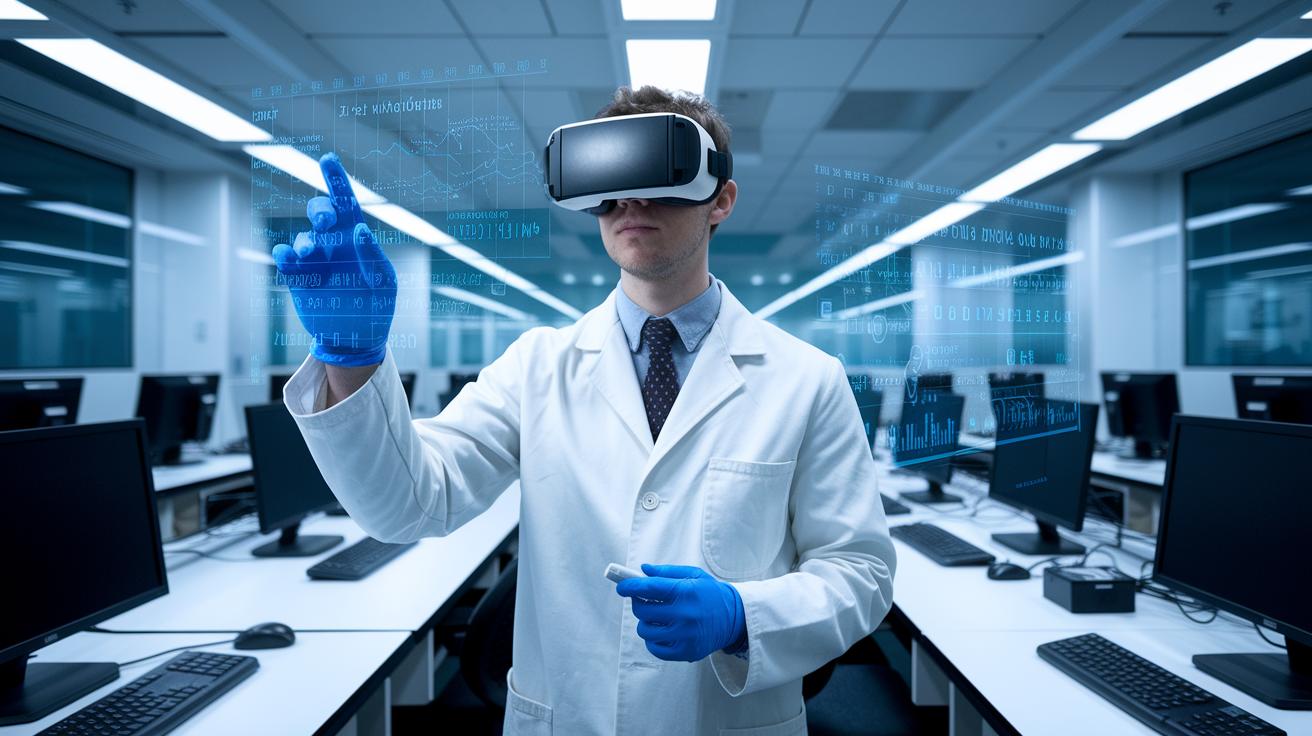
AI and machine learning aren’t just trendy words, they’re turning labs into smart hubs that fine-tune experiments and make sense of data with predictive analytics. Innovations like edge computing (which processes information right where it's needed) and serverless architectures slash delays, while VR and AR bring experiments to life with interactive, immersive displays. Imagine watching every data point light up on your screen the moment it happens!
Digital labs are breaking down physical limits too. With remote scheduling and interactive collaboration, researchers can run tests and get real-time insights from anywhere. Picture setting up a lab simulation from your office and monitoring every reaction with just a few clicks.
Final Words
In the action, this piece walked through the digital lab concept, breaking down its setup and tech tools. It showcased how virtual platforms and digital updates empower labs with real-device testing, cloud access, and agile workflows. The discussion touched on industry applications and smart strategies for smoother digital operations. Embracing this digital lab approach results in smoother operations and a boost in everyday tech practices. Enjoy moving forward with fresh ideas and a tech edge for a brighter tomorrow.
FAQ
What is a digital lab?
A digital lab signifies an environment that integrates automated instruments and digital tools to replace manual tasks. It supports efficient data capture and agile workflows in both enterprise and educational settings.
What types of digital labs exist?
Digital labs include enterprise labs, academic labs, and virtual online labs. Each type uses integrated systems for testing, research, or learning while reducing physical and manual limitations.
Are virtual labs expensive?
Virtual labs may seem costly at first but tend to lower overall expenses by reducing manual work and paper-based maintenance. Their scalability and automation often lead to long-term savings.
How do digital labs support different industries?
Digital labs aid various sectors like chemistry, dental imaging, printing, and software testing. They offer real-device testing and cloud access, which helps industries conduct research and deliver practical innovations.
What is Digital Lab PwC?
Digital Lab PwC showcases a business-focused approach that blends digital systems with agile techniques. It helps streamline consulting and accounting processes with integrated digital tools and data-driven methods.
Does Quest accept digital labs?
Quest evaluates digital lab solutions based on current partnerships and technology needs. Policies may vary as more testing facilities move toward automating research processes with digital setups.
How can I find a digital lab near me?
Searching for a digital lab locally can be done through online directories and tech hubs. These resources list nearby labs offering services like device testing, cloud access, and automated research environments.
How are digital labs used in educational settings?
In schools, digital labs promote hands-on learning with real-device testing, integrated instruments, and cloud-based access. They help students engage with modern research techniques and practical technical skills.

