
Have you ever wondered if one invention could completely change how we live and protect ourselves? Dual use technology is turning old ideas upside down. Imagine high-performance drones that spend the day mapping our roads and then shift into a watchful guardian by night. It’s like having a smart helper that makes life more convenient while keeping costs low and safety high.
This article dives into real-world examples where everyday tools blend seamlessly with security features. The result? Smarter, more efficient solutions lighting up our digital future. Get ready to explore how innovative tech is reshaping our world.
Defining Dual-Use Technology: Civilian to Military Applications
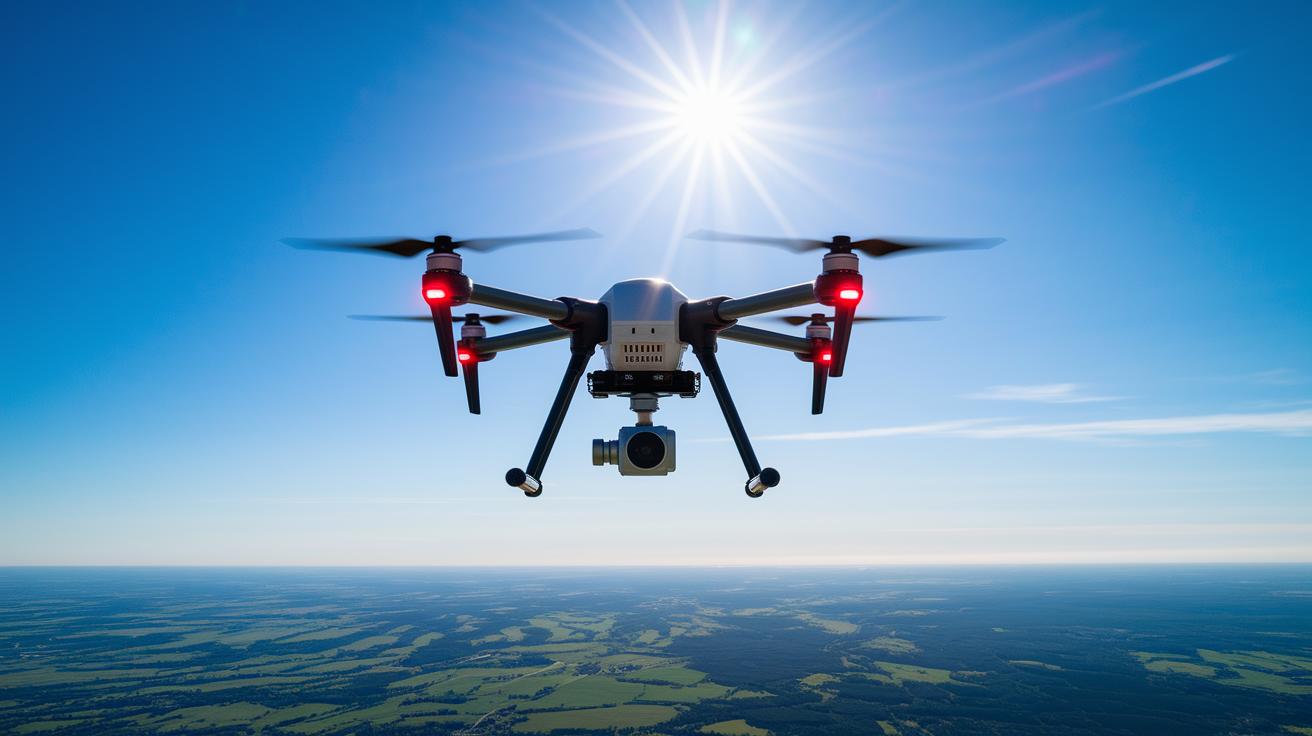
Dual-use technology is about innovations that work well for everyday people and at the same time have possible military uses. It started with the idea that many inventions can be great for more than one purpose. Imagine a high-performance drone that begins by helping with tasks like mapping land but later finds a role in security monitoring. Cool, right? It shows how tech can easily jump between serving regular consumers and supporting defense.
This kind of tech is super valuable. It lets industries share the costs of developing new gadgets while solving different kinds of problems at once. By mixing ideas from both civilian life and military needs, we cut down on waste and make things run more smoothly.
Moreover, these multipurpose tools spark more innovation and beef up safety on many fronts. When projects blend the best of public tech with defense know-how, every breakthrough not only makes our daily lives better but also builds stronger safety measures in our connected world.
Practical Examples of Dual-Use Tech Across Sectors
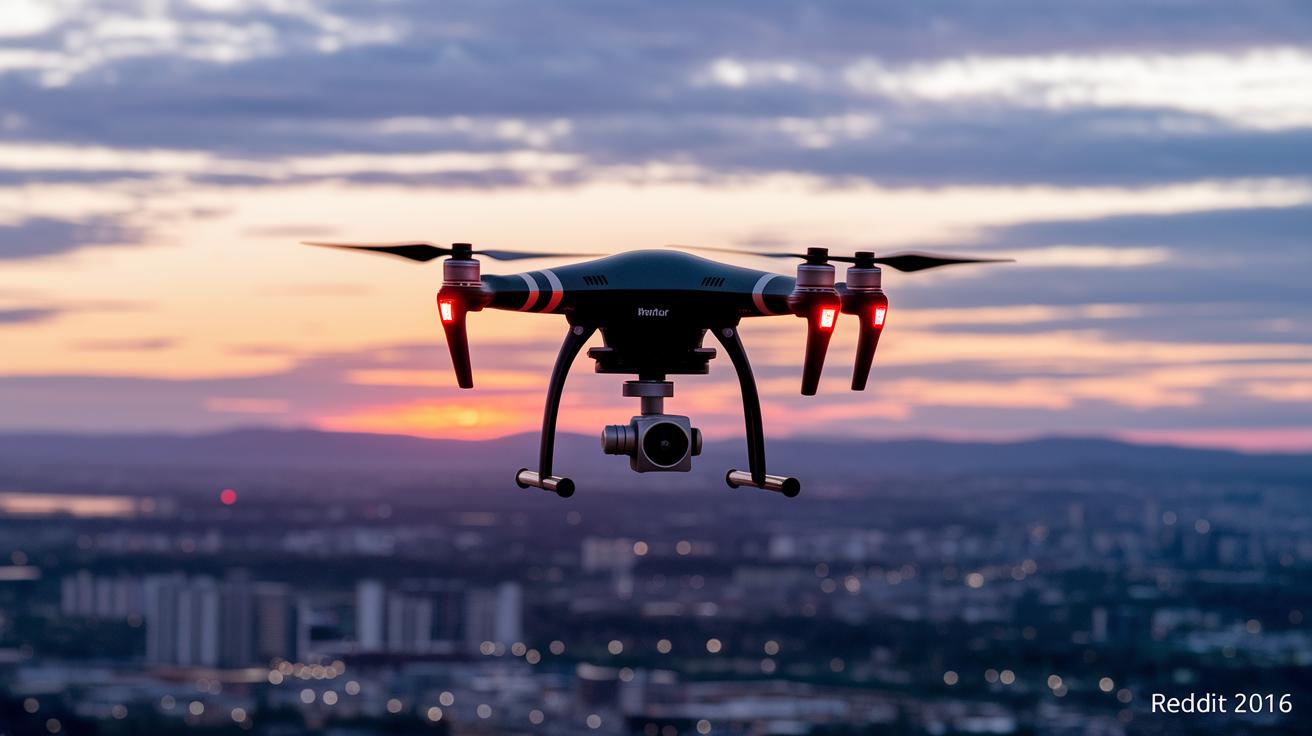
Dual-use tech is truly changing the game across many industries. It blends everyday innovations with systems that help keep us safe. Think about it like this: the cool technology powering your smartphone could also be behind advanced defense systems.
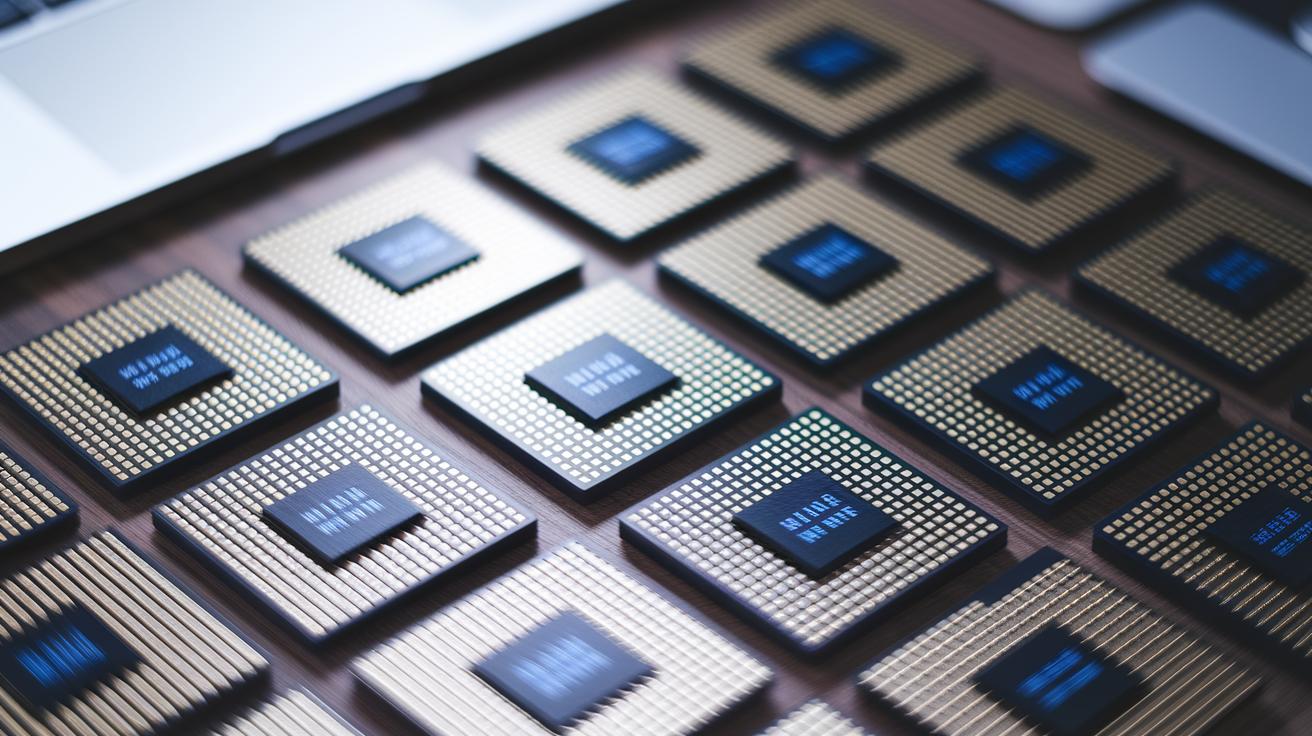
Take advanced semiconductors, for example. They not only boost the performance of your gadgets but also run critical military systems. Supercomputing systems are another case in point. They speed up scientific research while supporting simulation tools for tactical operations.
Drones are fascinating too. They capture breathtaking aerial photos and streamline delivery logistics, yet they’re also used for important intelligence work. Satellite imaging is a double whammy, it improves weather forecasts and mapping, and meanwhile, it supplies vital surveillance and navigation data for defense.
Encryption software stands as a guardian in the digital realm. It protects personal transactions and keeps classified military communications secure. Biotech platforms spark major advances in healthcare and agriculture while showing promise in biosafety applications.
And then there are AI algorithms, they make smart devices even smarter and power the decision-making processes behind strategic operations.
In essence, these examples show how a single piece of tech can seamlessly support both commercial improvements and national defense. By sharing development costs and spreading risk, industries find new ways to innovate while boosting security. It’s a forward-thinking approach that not only makes our day-to-day lives easier but also strengthens our strategic resilience in a fast-changing world.
Balancing Benefits and Risks of Dual-Use Tech

Dual-use tech offers a mix of economic and strategic perks. It lets companies share costs and dive into bigger markets while driving cool innovations for everyday consumers and defense needs. It can boost competition and open new revenue channels. When you take a dual-use project to market, you might tap into resources from different sectors and lower overall development costs. But hey, there’s a catch. Calling a project dual-use can sometimes limit funding options, mess with your bank relationships, or even conflict with new ESG guidelines, which may slow down progress on vital security solutions.
| Benefit | Risk | Sector |
|---|---|---|
| Cost-sharing opportunities | Limited funding sources | Commercial/Defense |
| Expanded market reach | Banking service restrictions | Technology |
| Crossover innovation | ESG guideline conflicts | Industrial |
| Competitive advantage | Investment delays | Security |
Balanced oversight is key. Smart policy design can champion financial gains while keeping risks in check. With clear standards in place, stakeholders can secure the right funding, maintain strong banking ties, and meet social guidelines. This creates a safe space where groundbreaking ideas meet strategic security.
Defining Dual-Use Technology: Civilian to Military Applications
Dual-use technology is tech that started out helping us in everyday life before finding its way into defense and security. It began when ordinary tools revealed hidden talents beyond their original jobs. For example, think about sensors made for smartphones that now help spot digital threats in sensitive settings, simple gadgets turned critical by design.
Advances in AI (artificial intelligence, which means computers learning to get smarter) and cybersecurity are shaking things up even more. Policymakers are now scratching their heads as they try to strike a balance between keeping our personal info private and ensuring our security. Imagine an AI built to tailor online ads that suddenly starts overseeing major security events. It’s a case that gets us thinking about consent and control.
Today, dual-use tech fuels a blend of smart analytics and secure communication systems with big impacts. Researchers and lawmakers are wrestling with how to use these innovations for safety without stifling progress. Picture cybersecurity systems, once meant for smart home devices, now guarding critical infrastructure. It’s a shift that sparks lively chats about oversight and digital ethics.
Practical Examples of Dual-Use Tech Across Sectors
Here’s a look at tech that’s built for everyday use but can also power defense systems. It’s pretty cool how these innovations work double duty.
- Advanced semiconductors boost smartphone performance while keeping military systems running smoothly.
- Supercomputing systems speed up scientific research and help run tactical simulations.
- Drone platforms capture clear aerial images and perform key surveillance tasks.
- Satellite imaging sharpens weather forecasts and supports defense operations.
- Encryption software protects financial transactions and secures military communications.
- Biotech platforms enhance healthcare tools and strengthen bio-defense measures.
- AI algorithms power smart devices and aid strategic military planning.
Each example shows how everyday tech can also back national security, cutting costs and increasing reliability.
Balancing Benefits and Risks of Dual-Use Tech
Dual-use technology creates financial benefits by sharing development costs while expanding market reach. It not only lets companies cut expenses by creating one tool for two purposes but also sparks inter-sector innovation. For example, imagine a device that serves everyday needs while adding secure features, cost-sharing with a twist of integrated design. Recent market insights reveal that these projects can drive spillover effects across different systems, setting the stage for agile, smart growth.
| Benefit | Risk | Sector |
|---|---|---|
| Cost-sharing opportunities | Limited funding routes | Commercial/Defense |
| Expanded market access | Banking service restrictions | Financial |
| Crossover innovation | ESG guideline conflicts | Industrial |
| Competitive edge | Investment delays | National Security |
Balanced governance is necessary to direct smart investments in these multipurpose systems while managing risks. Clear policies and risk evaluation help align commercial gains with strategic security measures, creating a framework where progress and safety go hand in hand.
Regulatory Landscape for Dual-Use Technologies

In the U.S., export rules under EAR and ITAR form the core of tech transfer oversight. These rules act like digital locks, preventing China from easily accessing advanced semiconductors and powerful supercomputers, so that our sensitive tech stays secure. US officials, along with our trusted allies, work closely to set clear guidelines for technologies used in both commercial and defense settings. Imagine these controls as essential safety nets in an ever-active digital marketplace.
After the shockwaves from Ukraine’s conflict, EU authorities teamed up with U.S. partners to tighten export rules further. They’ve crafted smart sanctions to block tech channels that might beef up military power. Countries like the Netherlands and Japan have jumped in to support these measures, proving that when it comes to crucial tech, teamwork matters. Think of it as a sharp defensive play in a fast-paced game, halting a critical move just in time. These coordinated actions underline a shared commitment to protecting innovation while keeping peace intact.
Still, getting all the different regions to agree on the same rules is a real challenge. Some EU leaders feel uneasy about one-sided decisions and say that a smooth multilateral approach is still missing. Coordinating different national interests and enforcement styles can feel like trying to fit a jigsaw puzzle perfectly. And so, regulators are pushed to be inventive and flexible, ensuring that security and tech progress can thrive side by side every single day.
Case Studies in Dual-Use Tech Collaboration
Semiconductor Export Controls on China
In 2022, U.S. regulators limited semiconductor exports to China, forcing companies to adapt quickly. Imagine a leading chip manufacturer losing 25% of its exports, that sudden drop pushed them to boost domestic design efforts. Now, firms are rethinking strategies and investing in local innovations. Next, these market shifts may spark new product lines and even more breakthroughs.
Sanctions on Dual-Use Items to Russia
After the conflict in Ukraine, the U.S. and EU joined forces to sanction dual-use technologies in Russia. One tech firm even had to shift nearly 30% of its production away from sensitive items, prompting a need for real-time compliance tracking. This has led companies to adopt advanced monitoring systems and rethink their global supply models for long-term stability.
Supercomputing Restrictions for China
A trilateral agreement between the U.S., Netherlands, and Japan restricted China’s access to cutting-edge supercomputers. Some companies saw a striking 40% drop in international project sales, which meant they had to quickly adjust their R&D plans. In response, many are now designing more modular and adaptable computing solutions to meet diverse global requirements.
Future Trends and Market Outlook for Dual-Use Tech
Global events and shifting political priorities today are setting the stage for dual-use tech to remain a hot topic worldwide. Russia’s actions back in 2022 nudged many countries to rethink their trade and tech systems, pushing them to find a smart balance between commercial benefits and national security. Nations are now realigning their strategies, which means fresh debates on how to manage export controls and investment moves that touch both everyday and military tech.
AI, biotech, and space are grabbing the spotlight as sectors ready for big growth. AI is evolving with smarter algorithms, a fancy way of saying it learns on the job, to make daily tasks simpler and even boost defense systems with predictive analytics (that's a method to forecast future events using data). Meanwhile, biotech is blurring the boundaries by offering breakthroughs that help improve healthcare while also strengthening bio-defense. Over in space, commercial interests are sparking a new wave of innovation that supports secure communications and reconnaissance, all while fueling economic growth. It’s amazing how one breakthrough can spark another, creating a cycle that touches both innovation and security.
Investors are catching on too. Early funding strategies are shifting as money flows more flexibly into tech that serves double duty, whether for civilians or defense applications. This means both innovative startups and long-established firms are keen to integrate cutting-edge solutions that meet the growing demand for security and competitiveness in our global market. The outlook is bright, with robust growth expected well into 2030.
Best Practices for Dual-Use Tech Compliance and Ethics

Building a strong ethical framework is the first step. Companies need to agree on a simple set of standards that keep our tech both cutting-edge and safe. Think of it as designing a digital ecosystem where advanced innovations don’t compromise community trust. You might set up guidelines to ensure new tech ideas aren’t hindered by obstacles like funding cuts or limited banking access.
Clear, transparent licensing is just as crucial. When everyone knows the rules for approving dual-use tech, it’s easier to keep things on track. An open process helps confirm that each innovation meets both commercial goals and security needs. Ever hear that a small licensing mistake once delayed a project, only to trigger changes that saved billions later? It’s a great reminder of why every detail matters.
Regular compliance checks and rock-solid documentation are also key. Routine audits, automated risk assessments (that’s when software checks for potential issues on its own), and keeping detailed records can really help catch problems early. By including regulators, industry experts, and other stakeholders in the process, we make sure that our tech isn’t just innovative, it’s also secure. In essence, this ongoing review process creates a cycle where fresh ideas meet responsible oversight, keeping us ahead of the digital game.
Final Words
In the action, we dove into dual use tech, revealing how its innovations blend everyday applications with defense needs. We discussed definitions, real-world examples, and the balance between gains and caution.
Our exploration covered regulations, case studies, and emerging trends that guide ethical tech choices. This rundown helps us see how dual use tech drives both creative growth and reliable security. Here's to smart, adaptable tech lighting the way forward!
FAQ
What is meant by dual use technology and what is a dual-use device?
Dual use technology describes innovations that serve both civilian and defense needs. A dual-use device is a product designed for everyday use but can also function in military or security situations.
What are some examples of dual-use technology?
Dual-use technology examples include advanced semiconductors, supercomputers, drones, satellite imaging systems, encryption software, biotech platforms, and AI algorithms—each serving both commercial and defense roles.
Which companies are known as dual use tech companies?
Dual use tech companies include firms in sectors like semiconductors, aerospace, and cybersecurity, developing products with applications that span everyday consumer markets and strategic defense needs.
Where can I find a dual-use goods list or a dual-use goods list PDF?
A dual-use goods list outlines items subject to export controls due to their potential civilian and military applications. These lists are often published as PDFs by governmental oversight bodies.
How is dual-use technology export controlled?
Dual-use technology export control restricts the transfer of sensitive items to maintain national security. Regulations, such as export controls, help ensure that technologies with both civilian and defense uses do not fall into harmful hands.
Which countries are major players in dual-use technology?
Dual use tech countries include leading nations like the United States, China, and several European countries, all investing in and regulating technologies that fuel both consumer markets and defense advancements.
How is dual-use technology applied in space?
Dual-use technology in space involves systems that support commercial space exploration and defense research. These innovations benefit both satellite communications in civil domains and secure military operations.
What does dual-use tech stock mean?
Dual-use tech stock refers to shares of companies engaged in developing technologies with both commercial and defense applications, reflecting market confidence in their ability to innovate and adapt across sectors.

