
Ever wonder how machines always do what they're supposed to do? Control systems engineering is what keeps our smart devices and processes running smoothly.
Engineers use sensors (devices that measure changes) to keep an eye on things and make small, real-time tweaks, kind of like a conductor guiding an orchestra. They mix math, physics, and computer know-how to maintain balance and efficiency.
Basically, with clever techniques and on-the-fly fixes, even the trickiest processes can work seamlessly. Cool, right?
Overview of Control Systems Engineering and Its Core Objectives

Control systems engineering is all about making sure machines and processes work smoothly, whether in factories, airplanes, power stations, or smart buildings. Engineers here mix math, physics, and computer know-how to create systems that keep things steady and performing well. Imagine a power plant where a finely tuned control system tweaks operations in real time to fend off problems. It’s like having a digital guardian that watches over everything, from design plans to daily performance checks.
Engineers use what’s called feedback control theory, basically, sensors check if things are off track and then compare the current state to what should be happening. When there’s a gap, controllers step in to adjust the settings and fix any issues. This approach not only keeps production lines steady but also ramps up efficiency, even in ever-changing conditions.
At its heart, this field is about regulating key process elements while making sure systems stay balanced no matter the curveballs. It’s an exciting blend of solid tech fundamentals and real-world tinkering that shows how theory and hands-on problem solving can come together to create reliable, innovative solutions.
Feedback Control Theory and Loop Mechanisms in Engineering
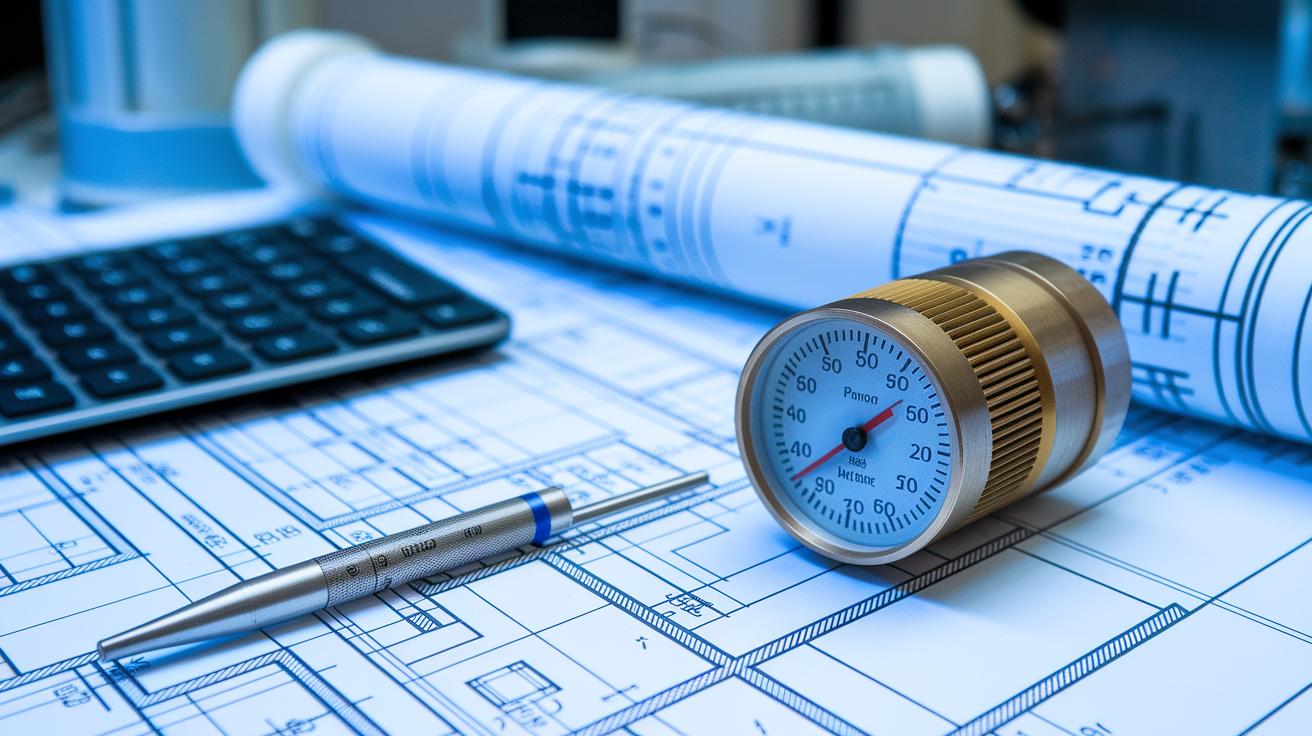
Feedback control theory is all about using sensors, error detectors, and actuators to keep systems working just the way we want. In a closed-loop setup, sensor readings are quickly matched against a set reference point. If something's off, controllers adjust the inputs to bring the system back into balance. Basically, automatic feedback loops are always on the lookout, fine-tuning performance so everything stays within the desired range.
Now, there's a big difference between open-loop and closed-loop systems. Open-loop setups run without sensor feedback, so they can’t handle unexpected changes. Closed-loop systems, on the other hand, rely on automatic feedback loops that catch and fix errors in real time. They depend on coordinated input from devices like thermocouples (tools that measure temperature) or pressure transducers (gadgets that check pressure) to keep operations smooth, no matter what surprises come up.
• Sensor or transducer
• Controller or algorithm
• Actuator or final control element
• Feedback path
• Reference or setpoint signal
Unity negative feedback loops are key to boosting system stability. They flip the error signal, reducing the gap between the actual output and the reference value. This tweak minimizes fluctuations, so the system runs smoothly and steadily, even when conditions shift. In short, these feedback loops make sure everything is finely tuned and balanced.
System Modeling and Stability Analysis Techniques in Control Design

Engineers build digital twins of systems to test ideas before putting them into the real world. They use tools like MATLAB/Simulink and Dymola to create these models, which let them see how a system might behave over time. These simulations show key behaviors, like oscillations or damping effects, so designers can tweak things in a safe, virtual space.
Simulation helps engineers try out control strategies under different conditions. Imagine you’re managing a manufacturing line: a digital model can help predict how small tweaks in the setup might change overall performance. This step-by-step testing means you can experiment without risking pricey equipment or halting production.
Stability and robustness analysis is another big part of the process. Techniques like Bode plot analysis show gain and phase margins, letting you see how a system will react to disturbances or shifts in parameters. Think of it like tuning a guitar, if the notes don’t match, you know something’s off.
Then there’s the Nyquist criteria, which is all about checking if the system stays stable when in a closed loop. This method looks at how the frequency response circles the critical point at -1 and tells you if your control strategy is up to the challenge. And don’t forget the root locus method, which shows how poles move as you change the gain. It’s a neat way to pinpoint what gains work best for keeping things stable.
| Analysis Technique | Purpose | Typical Software |
|---|---|---|
| Bode Plot | Check frequency response and margins | MATLAB Control System Toolbox |
| Nyquist Criterion | Verify closed-loop stability in the frequency domain | Simulink, Control System Toolbox |
| Root Locus | Show how pole positions change with varying gain | MATLAB, Dymola |
PID Controller Design and Tuning Strategies in Control Systems

PID control blends three settings, proportional, integral, and derivative, to keep systems steady while still reacting quickly with minimal overshoot. In simpler terms, it’s like fine-tuning a car’s cruise control. Manual tuning means trying different settings until things run smoothly, but that can be a slow process. Engineers often kick things off with trusted methods to get a good starting point before they make further tweaks.
Ziegler-Nichols Empirical Method
This classic method starts by slowly cranking up the gain until you hit a point where the system begins to oscillate steadily, this is called the critical gain, Ku. Once you spot Ku, you note the time period of these oscillations, known as the ultimate period or Pu. With Ku and Pu in hand, you can calculate the PID settings. For example, multiplying Ku by 0.6 gives you a rough baseline for the proportional setting, Kp. It’s sort of like adjusting the knobs on an old radio until you catch that perfect signal. Simple, right?
Software-Assisted Tuning in MATLAB
Today’s tools, like MATLAB’s Control System Toolbox, make tuning a lot less tedious. This smart software uses step response fitting and built-in optimization to fine-tune your PID settings automatically. Think of it as a savvy assistant that watches how your system behaves and suggests quick improvements. The result? Faster tuning and better overall performance, thanks to a structured, data-driven approach that takes the guesswork out of the process.
Digital and Advanced Control Strategies for Modern Systems

Digital control strategies are transforming how machines and embedded systems work in our everyday world. Thanks to real-time computing, controllers process sensor data fast and adjust settings on the fly so even a tiny shift in conditions is handled immediately. Imagine a cooling system that senses a small temperature change and instantly tweaks its output, cool tech in action.
Model predictive control takes these ideas a step further. It regularly solves a small optimization problem, looking ahead to decide the best move based on the data in hand. This method mixes quick responses with a wise peek into near-future trends. Meanwhile, robust control techniques ensure the entire system stays steady by smoothing out unexpected disturbances like minor sensor errors or unforeseen changes. Adaptive control continues to fine-tune everything, keeping performance on point even when loads or external influences vary.
Advanced digital control strategies bring all these methods together into one seamless process. This integrated approach continuously monitors the system and makes on-the-fly adjustments as needed. Engineers rely on these dynamic solutions to keep production lines stable, boost safety, and maintain efficiency, no matter the challenges. In essence, blending digital control, adaptive approaches, model predictive control, and robust techniques creates a resilient framework that rises to the dynamic demands of modern systems.
Instrumentation, Sensor Integration, and Actuator Design in Control Systems

Instrumentation in control systems uses essential devices such as thermocouples, RTDs, pressure transducers, and encoders to collect precise data. These sensors change physical conditions into digital signals that the system can understand. For instance, if a pressure transducer picks up a sudden change, it immediately alerts operators, almost like a live pulse check of the system.
Designing actuators is key to turning those alerts into real actions. Whether they run on electromagnets or pneumatic power, actuators make the exact mechanical moves needed. Imagine a factory where a well-timed actuator opens a valve right when it should, keeping everything running safely.
PLCs act as the meeting point for all this communication. They’re typically programmed with Ladder Logic, a visual, step-by-step method, to seamlessly connect with Human-Machine Interfaces (HMIs) for real-time checks. With clever sensor integration linking every device to these PLCs, it’s like snapping together the final pieces of a challenging puzzle.
SCADA planning brings together controllers spread across multiple networks, letting operators keep an eye on everything from one central spot. Picture a control room where data streams from all over combine into one clear screen, guiding quick and precise decisions. By integrating sensors, actuators, PLCs, and SCADA, we build a smart, connected framework for modern process control and automation.
Simulation, Programming, and Testing Software Tools in Control Engineering

Simulation tools like MATLAB/Simulink, LabVIEW, and Dymola let engineers quickly put control system designs to the test on a computer before any physical work starts. They create a digital replica that mirrors real conditions, so you can spot potential issues, imagine testing an automated factory line virtually and seeing glitches long before any parts are built.
These simulations also help refine how controllers are programmed. Think of it like trying out a new app: you explore different scenarios and click through each option to make sure everything works just right. It’s a hands-on approach that opens the door to smoother virtual commissioning.
Then there’s hardware-in-the-loop testing, or HIL testing. This method connects real controllers to the simulation so you can see how the code runs with actual devices. For example, if you’re working on a cooling unit, HIL testing uses real sensors to make sure the system reacts properly when the temperature shifts.
Adding to this magic are the built-in data analytics modules. They help pinpoint where tweaks are needed in the controller’s programming, speeding up the journey from design to real-world deployment. These smart techniques cut down the time spent in field commissioning and boost the overall reliability of your system.
Industrial Automation Applications and Case Studies in Control Systems Engineering

Industrial automation design transforms old-school systems into smart, connected setups that just work. In many factories, huge PLC/SCADA projects work hand-in-hand with industrial Ethernet – basically a high-speed digital roadway for data – to keep an eye on every process in real time. Take Rockwell Automation, for example; their smart design smooths out operations, and Cisco’s CPwE architecture raises the bar for plant-wide integration. This smart combo of central control with local tweaks lets operators watch over everything seamlessly.
Engineers make process control truly efficient by fine-tuning systems to react instantly as conditions change, ensuring high throughput and almost no downtime. In car manufacturing or building management, distributed sensors and actuators team up to keep everything running at peak performance. Real-life case studies show how automated feedback from devices, combined with modern, user-friendly software, can adjust process variables swiftly and accurately – saving time and resources while keeping everything in check.
Robotics further stretches the possibilities of system control by pushing automation to new heights. In robotic cell environments, integrated systems coordinate multiple arms and sensors for super precise operations. This not only boosts production quality but also balances workloads across different floors. In essence, leveraging smart industrial automation design, razor-sharp process control, distributed system management, and robotics builds an infrastructure that meets today’s demands and sets us up for tomorrow’s challenges.
Career Development and Emerging Trends in Control Systems Engineering

Building a strong foundation in control engineering sets you up for an exciting career in a fast-changing field. You can kickstart your journey with special programs that mix classroom learning with hands-on practice. These courses give you the tools to solve real problems in industries like manufacturing, aerospace, and energy. Plus, earning certifications like the Certified Control Systems Technician (CCST) or Certified Automation Professional (CAP) shows employers you know your stuff and can handle high-demand roles.
Moving up in this field isn’t just about good grades. It’s about blending your education with real-world experience. Think internships, live projects, and jumping into online discussions or workshops. Working closely with experts not only builds your confidence but also sharpens your technical skills. And hey, why not keep your edge? Regular short courses and industry seminars can really boost your career journey.
New control technologies are changing how we keep an eye on and fine-tune systems. Digital twin models, virtual copies that mimic real systems, let engineers test ideas before making changes. It’s kind of like trying out a game level before playing the final match. Virtual commissioning makes setting up and testing smoother, cutting down delays from idea to reality. Plus, adding IoT sensor networks enables real-time data collection so systems can quickly adjust and stay in top shape.
The ever-changing world of smart grid rules and adaptable automation is creating plenty of opportunities for anyone keen to excel. Seriously, if you’re into this field, staying current with trends, grabbing industry-ready certifications, and diving into consulting projects can really pave the way for success and innovation.
Final Words
In the action, we examined control systems engineering with clear insights into feedback theory, dynamic modeling, and PID tuning. We explored digital control strategies, sensor integration, and the hands-on value of simulation tools.
The discussion spanned technical fundamentals, industrial automation applications, and career development tips. This blend of practical examples and emerging trends helps us stay knowledgeable and ready to tackle real-world challenges. Keep embracing these innovations and push your digital skills to new heights!
FAQ
Frequently Asked Questions
Q: What resources are available for studying control systems engineering?
A: The reference to books, PDFs, and specific editions indicates that resources like the Control Systems Engineering 8th Edition offer detailed explanations, worked examples, and practical insights for mastering the subject.
Q: What is a control systems engineer’s salary?
A: The control systems engineer’s salary reflects competitive earnings that vary with experience, industry, and region, rewarding skills in designing and maintaining stable, high-performance systems.
Q: What types of jobs exist in control systems engineering?
A: The control systems engineering job landscape includes roles in designing, testing, and implementing dynamic systems in industries like manufacturing, aerospace, power generation, and building automation.
Q: What does a control systems engineer do?
A: The control systems engineer’s role involves creating and managing algorithms and systems that regulate process variables, enhancing performance and ensuring stability in various technical environments.
Q: What is an example of a control system in engineering?
A: The example of a control system in engineering can be seen in an industrial heating process, where sensors, controllers, and actuators work together to maintain a consistent temperature by adjusting inputs in real time.
Q: Are control systems engineering courses and degrees challenging?
A: The challenge of control systems engineering courses and degrees lies in integrating theory with practical tools, yet real-world applications and hands-on learning make the subject accessible and engaging.

