
Ever wonder if your machines are smarter than you think? Motion control systems are like a fast, synchronized crew, working together in perfect harmony. They mix precision with power, quickly fixing mistakes so every move really matters. This clever setup turns raw energy into exactly the performance needed for smooth, efficient operations. It’s not just tech, it’s a dynamic solution that speeds things up, improves accuracy, and simply wows with its effectiveness.
Core Components of Motion Control Systems
Motion control systems work like a well-coordinated team where every part has its own special job. These systems keep everything in check through what we call closed-loop regulation, a process that continuously checks actual conditions against desired outcomes. It’s like having a smart assistant that never misses a detail, even when things speed up.
Let’s break it down:
• Controller – Think of this as the system’s brain. It reads sensor data and quickly figures out what needs to change by comparing your current position to the target. In plain terms, it spots any movement errors and fixes them right away.
• Driver/Amplifier – This part is the muscle, powering the actuators with the energy they need. For example, integrated controllers like the Delta MA1 with the RMC75 guide the energy conversion with impressive precision.
• Sensor/Feedback Device – Sensors, such as the Temposonics MLDT, constantly gather real-time data on position and speed. This information is crucial for making adjustments that keep everything on track.
• Actuator – The actuator is where energy, electrical, hydraulic, or pneumatic, turns into real movement. It’s what makes the parts of a machine actually move in the precise way required by today’s industrial tasks.
All these pieces work together in a continuous feedback loop. The controller keeps checking sensor readings and coordinating with the driver to fine-tune the actuator’s motion. In essence, this well-connected setup uses real-time data to make fast adjustments, ensuring the precision needed for demanding automation tasks. It’s a smart, dynamic design that truly drives automation success.
Power Conversion and Data Flow in Motion Control Systems

Motion control systems run on two main flows that work together to turn energy into smart, precise movement. The power flow takes primary energy sources and transforms them into the exact mechanical force needed for operation. This process goes through steps like designing gears, converting power efficiently, and using drive electronics to give actuators that extra push. For example, think of turning electric power into the force moving a robotic arm, the whole setup makes sure energy is perfectly distributed so the motion is just right.
Then there’s the data flow. This flow handles the control signals, feedback, and diagnostic info between sensors, controllers, and drive modules. Digital control algorithms (basically smart rules that adjust in real time) keep refining performance as soon as any deviation pops up. Imagine it as a quick chat among the system parts where every component gives its update. Even tiny errors get spotted and fixed fast, ensuring everything runs smoothly. In essence, when power meets data, it sparks a loop of energy and information that drives automation to new heights.
Actuator Types and Drive Technologies in Motion Control Systems
Motion control systems light up the world of automation by using a mix of actuators and drive technologies that keep operations smart and efficient. Actuators change stored energy into motion, and every type brings its own perks for different tasks. For example, electric systems use servo motors for spot-on positioning and stepper motors for open-loop step control – a perfect fit for tasks like running 3D printers. Linear motors, which move things along a straight line, are ideal for careful jobs such as semiconductor handling.
Hydraulic systems pack a punch with high force for heavy loads, while pneumatic solutions keep things moving fast and simple for tasks like pick-and-place. Drive technologies, including variable frequency drives and CNC controllers that feature built-in diagnostics and temperature checks, add extra smart controls. It’s like a band where every instrument plays the right note at the right time.
Imagine a servo motor bringing a robotic arm to life with a smooth, steady pulse. Next, check out the table below for a quick rundown of actuator and drive types, their control methods, and typical applications.
| Actuator/Drive Type | Control Method | Typical Application |
|---|---|---|
| Servo Motor + Amplifier | Closed-loop position | Robotic arms |
| Stepper Motor | Open-loop step control | 3D printers |
| Linear Motor | Direct linear control | Semiconductor handling |
| Hydraulic Cylinder | Pressure flow control | Injection molding |
| Pneumatic Cylinder | On/off valve control | Pick-and-place |
| VFD + Induction Motor | Speed/torque | Pumps & fans |
This table gives you a neat look at how different actuators and drives work. In essence, the parts in a motion control system join forces in a feedback loop that transforms energy into precise movement, making sure automation is not only smart but also trustworthy.
Integration Protocols and Control Loops for Motion Control Systems
Open-Loop vs Closed-Loop Control
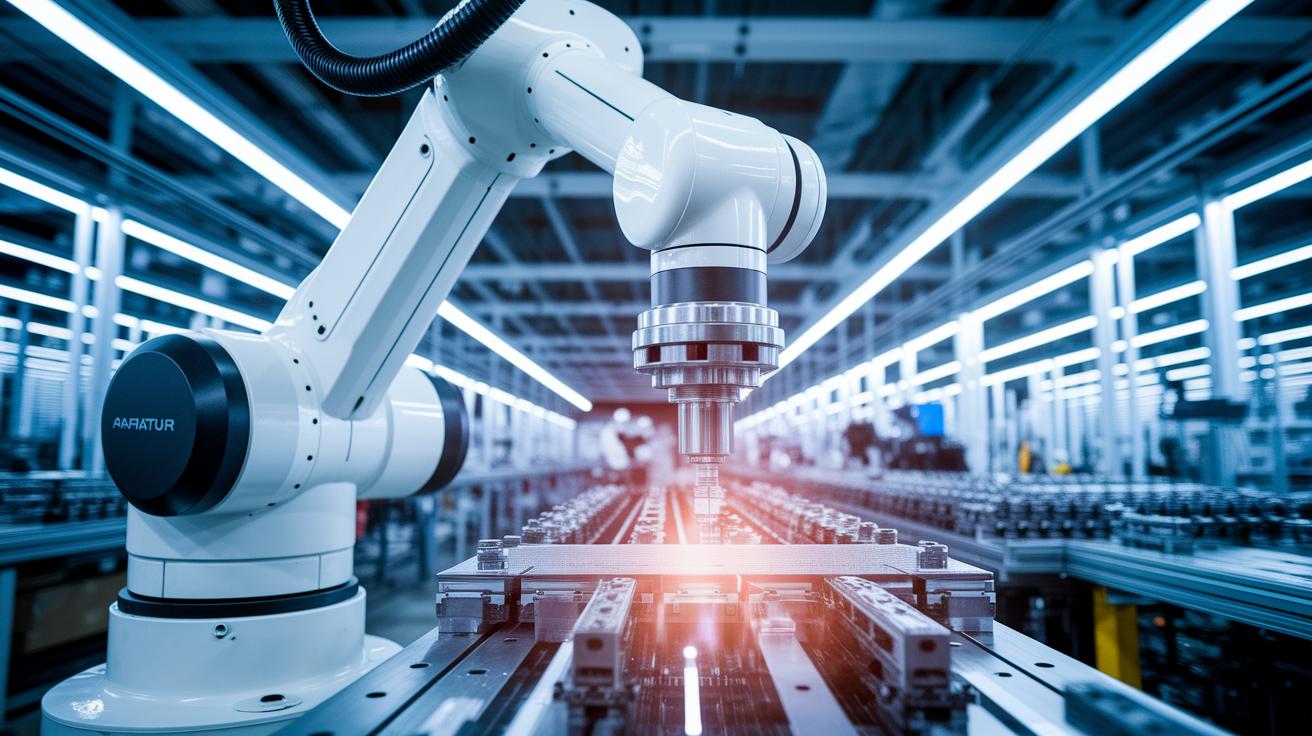
Open-loop actuation is like a straightforward setup that works best when you don’t need ultra-precise positioning. For example, stepper motors running in open-loop mode handle tasks like 3D printing very well, even if minor shifts are okay. In contrast, closed-loop control (often seen in servo systems) constantly checks the actual position and speed against what you want. Picture a Temposonics MLDT position sensor sending fresh data to a motion controller, which in turn adjusts the amplifier’s output instantly to fix any drift. It’s the perfect choice when you need every movement to be spot-on, like in robotic arms or assembly lines.
Next, think about how industrial communication protocols and PLC interfaces make sure that everything syncs up perfectly across multiple axes. Protocols such as EtherNet/IP, PROFINET, and CANopen serve as reliable data highways that ensure commands reach the driver fast. They even support safety features and offer remote updates. Fieldbus standards further boost diagnostics and fine details of control in complex machines. In practice, industrial PLC interfacing blends these protocols to manage multi-axis coordination, ensuring all parts work together seamlessly. This networked design not only ups your accuracy but also makes maintenance and updates easier, a real cornerstone of today’s motion control systems.
Software and Algorithm Optimization in Motion Control Systems
Digital control algorithms set the pace for smooth motion using PID (a control method that helps maintain a constant speed) and other advanced loops. They’re like the digital brain that maps out motion paths. Motion planning software adds a layer of real-time interpolation and manages the tricky task of keeping multi-axis movements in sync.
Trajectory planning creates gentle, jerk-limited profiles that protect parts from sudden jolts, kind of like dialing back a car’s throttle to nail that perfect launch. Dynamic system calibration routines adjust for things like backlash, friction, and stiffness to ensure everything runs smoothly. Ever wonder how adjusting an acceleration profile is similar to fine-tuning a car’s performance? It’s all about those precise tweaks.
Deceleration methods are designed to let systems slow down gradually, preventing abrupt stops that might harm hardware. Servo tuning takes care of the minute details in each movement, while optimized drive algorithms make sure commands get processed quickly and accurately. Together, these technologies are the backbone of modern motion control systems.
Embedded firmware combined with adaptive control algorithms gives industrial machines the quick responses they need to excel. Plus, with more than 200 educational resources available, engineers and teams can dive deep into everything from trajectory design to detailed tuning methods. This means they can push system performance right up to the high-precision demands of today’s automation tasks.
Industrial Applications and Case Studies of Motion Control Systems
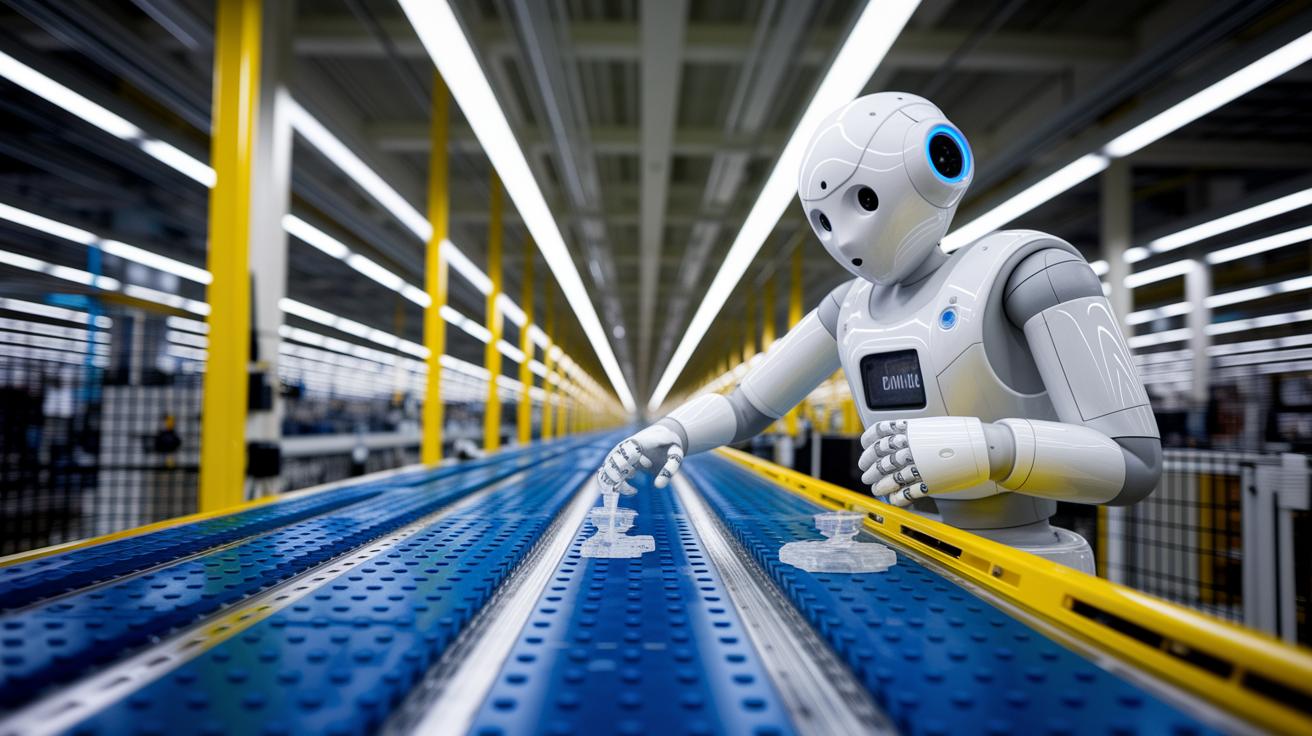
Motion control systems light up automation across industries by making operations smoother, boosting precision, and cutting down on expenses. In high-precision CNC machining, especially for automotive tasks, these systems help keep production running reliably and quality rock solid. Studies show car manufacturers can see throughput gains of 20 to 30 percent while smart regenerative servo systems dramatically reduce energy use.
In packaging, multi-axis robotics work in perfect harmony. Imagine a robot carefully placing delicate items on an assembly line, each move finely tuned by built-in motion solutions that adjust speed and position on the fly. This smart performance not only ramps up productivity but also cuts down on errors, ensuring each product meets high-quality standards.
Assembly lines for consumer products get similar benefits too. When industrial drive tech is combined with IoT motion control (think sensors that monitor processes in real time), companies can quickly spot and correct any deviations. For example, robotic arms equipped with vibration sensors immediately detect issues, keeping product consistency high and reducing downtime.
Even labs see huge advantages from these systems. Automated pipetting machines use multi-axis integration to handle tiny volumes with outstanding accuracy, a real win for research and diagnostics. Sensors collect and instantly share data with central controllers, making sure every pipetting action is executed perfectly.
Key successes include:
- Boosted production speeds all while keeping quality in check.
- Significant cost savings because of energy-smart designs like regenerative servo systems.
- Better diagnostics and remote monitoring, courtesy of IoT-enhanced motion solutions.
Trends and Future Developments in Motion Control Systems
Next-generation motion control technologies are set to revolutionize industrial performance. With fresh design ideas focused on boosting efficiency and reliability, manufacturers are exploring energy-savvy servo systems, like regenerative amplifiers (which recycle energy) and smart hydraulic setups that manage fluids to cut power waste. On top of that, AI-driven adaptive control algorithms, essentially software that constantly tweaks movements for smoother transitions, are taking center stage. Imagine a drive system that automatically adjusts its speed on the fly, pretty cool, right?
Emerging sensor fusion techniques are also making a big splash. By blending data from multiple sensors, much like how your brain mixes different senses to create an accurate picture, these methods deliver more precise measurements. This integration not only sharpens accuracy but also helps predict maintenance needs. Picture a machine that gives you a heads-up before a part wears out, cutting down on those inconvenient downtimes.
There’s even more on the horizon with research advancing gearless motor tech and embedded edge computing. In simple terms, edge computing means adding small computers right inside the drive modules to manage operations faster and more reliably. These innovative breakthroughs promise increased throughput and resilience, ensuring systems perform seamlessly even under tough conditions. With fault-tolerant control methods guarding against unexpected hiccups, this smart mix of hardware and software is driving the future of industrial automation.
Final Words
In the action, the post walked you through core components like controllers, drivers, sensors, and actuators. It explained how power and data flow work together. You saw a quick table comparing actuator types and explored the role of algorithms and integrations. Real-world applications and future trends were also discussed in easy-to-grasp terms.
Each detail contributes to a solid grasp of motion control systems. It’s all geared toward a smoother, smarter digital experience. Enjoy the endless possibilities ahead!
FAQ
What do motion control systems amplifiers do?
Motion control systems amplifiers convert low-power control signals into robust drive power, allowing actuators to move with precision and speed, which is crucial for exact mechanical operations.
What information is provided in motion control systems PDFs?
Motion control systems PDFs offer technical details, user manuals, and calibration guides that help users understand system specifications and performance for accurate implementation.
What does MCS stand for in motion control systems?
MCS refers to a complete motion control system that integrates controllers, amplifiers, sensors, and actuators, working together to deliver precise, real-time mechanical motion.
What is motion control systems suspension?
Motion control systems suspension manages support and stability, reducing vibrations and ensuring alignment so that actuators perform accurately under dynamic conditions.
What are motion control devices?
Motion control devices include essential components such as controllers, sensors, amplifiers, and actuators that interact to produce and regulate precise movement seamlessly.
What is motion control in games?
Motion control in games uses real-world physical movements, detected by sensors, to interact with digital content, enriching gameplay by making it more immersive and responsive.
What is an example of a motion control system?
A typical motion control system might use a sensor to monitor position, a controller to process errors, and an amplifier to drive an actuator—ideal for tasks like robotic arm control.
What are the three devices used for controlling motion?
The three key devices controlling motion are the controller, the driver/amplifier, and the sensor/feedback device, which together form a closed-loop system for precise motion regulation.
What are the three types of control systems?
The three types of control systems are open-loop, closed-loop, and hybrid systems. Each offers different levels of feedback and precision to match the intended application needs.

