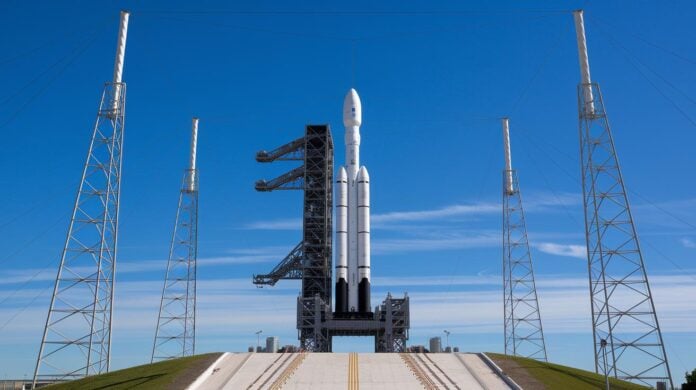
Ever wondered how a tiny satellite breaks free from Earth’s pull and soars into space? It’s kind of like a high-stakes game where every move matters. Experts carefully prepare, run tests, and set the stage for launch, making sure everything lines up perfectly. In this post, we take you through each step, from the thorough ground checks to the powerful burst of engine power (that sudden surge of energy from the rocket) at lift-off. Each calculated move plays a key role in sending the satellite on its journey through space.
Satellite Launch Sequence: Core Steps and Phases
Every stage of a satellite launch is the result of careful planning and rigorous tests. Before liftoff, teams work on ground operations, payload integration, and system checks. Engineers, safety experts, and regulatory folks spend months, or even years, fine-tuning everything to make sure it all goes off without a hitch. Think of it like setting up a board game where every piece has to be just right before you take the first move.
At launch, the energy shifts dramatically. Engines burst into life with full power, fighting gravity head-on. This dramatic liftoff involves a sequence of key steps: engine ignition, liftoff, separation of stages, and the final engine shutoff. Picture it like shedding extra weight during a sprint, where each stage is dropped at the perfect moment to keep the rocket heading upward.
As the satellite edges closer to its destination, the process of getting into orbit takes center stage. Final engine burns, such as the orbital insertion burn, carefully adjust the satellite’s path. Whether it’s reaching a geostationary orbit at 35,786 km or a low-Earth orbit requiring about 7.8 km/s, every second of the countdown counts. At T-0, the satellite detaches and embarks on its unique mission in space, a moment as precise and thrilling as a perfectly choreographed performance.
Pre-Launch Preparations for Satellite Launch
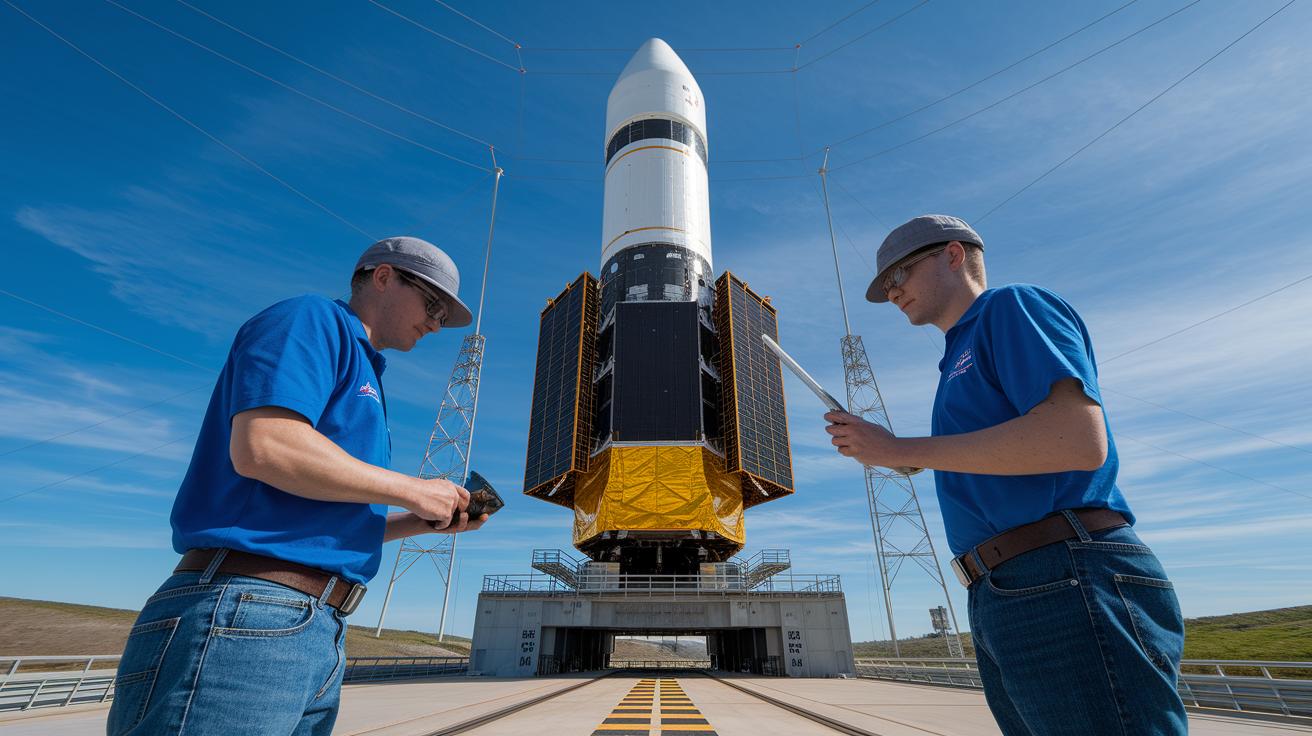
Payload integration is the essential first step in getting a satellite mission-ready. At this phase, the satellite is gently enclosed in a protective fairing while teams run thorough alignment checks and functional tests on critical systems. Experts in structure, avionics (the electronics used in spacecraft), propulsion, safety, and range control work together, running simulations and checking how parts interface, ensuring every bit works perfectly. It’s like watching a carefully tuned instrument readying for a grand performance.
Next up are the ground pad operations. Here, propellant loading (filling the fuel tanks with the right mix) happens with pinpoint accuracy alongside electrical checks, with hydraulic and pneumatic systems, those use liquids or gases to power movement, undergoing detailed tests. Every component at the launch site is inspected to match high standards, making sure that the satellite’s solar-cell arrays and fuel reserves are in top condition. Think of it as a high-stakes pit stop, where different teams work in sync, just like parts in a well-oiled machine.
Then comes the final readiness review under strict mission control rules. In this stage, regulatory compliance and final system handoffs get a detailed look over in comprehensive review sessions. Engineers and safety experts run one more round of simulations and diagnostics, confirming that every system is ready to go. It feels like a final dress rehearsal, the last check before the satellite embarks on its exciting journey into space.
Multi-Stage Booster Design and Separation in Satellite Launch
Rockets usually come in two or three stages, each cleverly designed with its own set of engines and fuel to handle everything, from the thick air near Earth to the near-empty space beyond. Engineers plan every part of the journey down to the minute details, allowing old stages to be dropped once they've done their job. This careful timing means less strain on the remaining parts and a smoother ride on the way to orbit.
When it’s time to separate, the process relies on solid stage detachment steps to ensure every discarded piece falls away cleanly, letting the satellite fly freely toward its goal.
Stage Separation Mechanics
At this point, the whole separation act kicks off with pyrotechnic bolt systems and specially crafted separation rings. These components work together under tight timing controls to let go of used sections at the perfect moment. In some designs, pneumatic pushers, devices that use air pressure to give a precise push, add to the clean break by easing each piece away at just the right time. Imagine a synchronized clock where every tick sends a part spinning off, clearing the way for the rocket to speed up.
Reusable Booster Innovations
Some first-stage boosters are built to make a comeback; they return for a vertical landing, which really cuts down launch costs. When the moment for separation arrives, these parts deploy landing legs and grid-fins and use controlled engine fire to guide them safely back to Earth. This clever reuse of technology not only makes launches more efficient but also marks a shift toward more sustainable spaceflight practices.
Rocket Propulsion Phases and Orbital Velocity in Satellite Launch
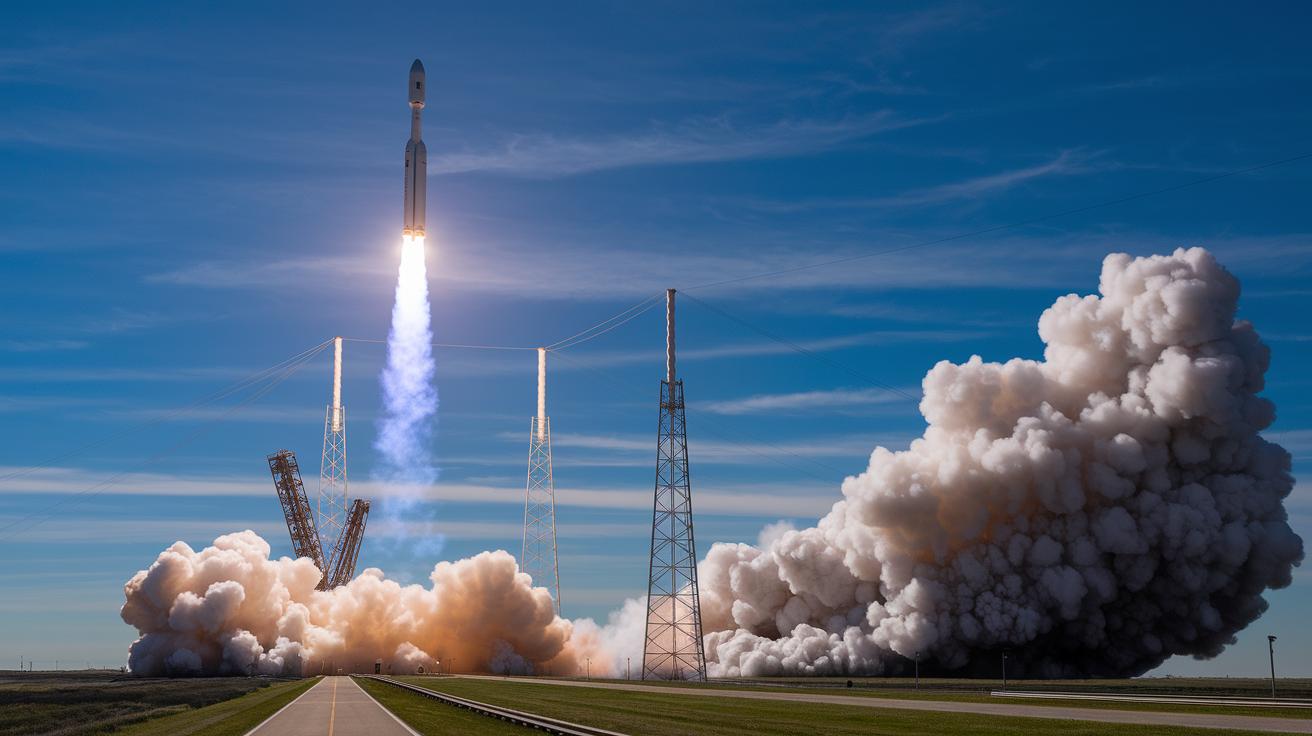
When a rocket lifts off, its engines push with all their might to beat Earth’s pull. The engines roar like thunder as they power the rocket through thick air, building speed every second until it starts escaping ground forces. It’s like a high-stakes race against gravity.
Once the rocket escapes the heavy, lower atmosphere, it gets a boost from a second engine burn after shedding some parts. This next phase isn’t just about going up, it’s about speeding up side-to-side, getting closer to the rush of orbital velocity. The engines adjust their burn to find the sweet spot between saving fuel and getting enough power for the journey.
Then comes the final engine burn, the insertion burn, which locks the satellite into its exact orbit. For satellites orbiting close to Earth, the speed needed is almost 7.8 km/s so they can keep flying high uninterrupted. For those going geostationary, a careful maneuver at the highest point, called a Hohmann burn (a gentle speed adjustment to round out the orbit), perfects their path in space.
At every step, simple physics like thrust and inertia come into play. The engines fight hard against gravity and drag, and then inertia, the tendency of anything in motion to keep going, carries the vehicle until it’s time for the next burst. All these carefully planned moves, grounded in basic space science, work together like a perfectly synchronized dance to get the satellite exactly where it needs to be.
In-Orbit Deployment in Satellite Launch
Right after the final stage cutoff, the fairings open up to reveal the satellite in all its glory. Spring-loaded deployers or robotic arms gently push the payload away from the upper stage, letting the onboard thrusters fire off tiny bursts to adjust its orbit just right. Mission control keeps a close eye on the live telemetry and sends in quick commands to fine-tune its tilt and height, sort of like setting up the perfect launch party in the vast theater of space.
The way we release the satellite in orbit is a key part of the mission. Whether it’s using a robotic arm, a spring-loaded deployer, or thruster-controlled bursts, each method helps get the satellite off to the best possible start. The release techniques ensure it lands exactly where it needs to be, setting up a smooth ride ahead.
| Deployment Method | Description |
|---|---|
| Spring-Loaded Deployers | Automatically push the satellite clear after fairing separation |
| Robotic Arms | Precisely move the satellite away from the launch vehicle |
| Thruster-Controlled Release | Uses quick burns to adjust and lock in the perfect orbit |
Each technique plays its part in guiding the satellite into its designated orbit, ensuring the whole deployment process is as smooth as a well-coordinated performance in a digital age.
Safety Protocols and Countdown Considerations in Satellite Launch

Every satellite launch kicks off with rock-solid safety checks and a finely tuned countdown. Before ignition, mission control closely watches live telemetry, data on things like pressure, temperature, and acceleration, to ensure each part of the vehicle is running just right. This real-time data, glowing on screens like a well-designed interface, helps the team decide on a go or no-go.
Safety systems are primed, with abort triggers clearly mapped out to handle any unexpected engine quirks or shifts in trajectory. These coordinated checks make a huge difference in cutting risks during the final moments before liftoff.
As the countdown rolls in, the team follows a carefully choreographed set of steps that leave almost no room for mistakes. Here’s the breakdown:
- T-20 min: Fueling starts
- T-15 min: Initial system verification
- T-10 min: Final readiness checks
- T-5 min: Safety system arming
- T-2 min: Auto-sequence initiation
- T-1 min: Final go/no-go poll
- T-0: Engine ignition and launch
Innovations in Satellite Launch Technology
Small rockets built just for CubeSat missions are changing the way we explore space. They’re designed to carry small payloads efficiently, letting engineers adjust orbit paths while keeping costs low. Think of it like a little rocket stage that comes back down for a smooth vertical landing, pretty smart, right?
New dispenser systems now manage the launch of many tiny satellites all at once. This method makes releasing lots of CubeSats as easy as setting off a well-timed fireworks show, with each mini satellite deployed in perfect harmony.
Looking ahead, space missions are gearing up for a revolution with fully automated launches and next-generation propellants that boost performance. These innovations signal a future of agile, cost-effective missions that make reaching orbit simpler than ever. Imagine the gentle hum of active systems and the clear, responsive interface guiding every step, space is becoming more accessible for everyone.
Final Words
In the action, we traced each step from pre-launch checks and booster separations all the way to in-orbit deployment. The article broke down everything in readable, engaging segments that explained launch sequences, propulsion periods, and safety verifications.
Reading through these discussions, you see the complete picture of how satellite are launched. Each phase offers a glimpse into advanced tech and careful planning, leaving us buzzing with excitement for the next breakthroughs.
FAQ
How are satellites launched and maintained in orbit?
The process of launching satellites involves powerful rockets that lift payloads into space. After reaching the targeted altitude, satellites achieve the necessary speed to sustain their orbit around Earth.
What was the world’s first artificial satellite, and when was it launched?
The world’s first artificial satellite, Sputnik 1, was launched in October 1957, marking an early breakthrough in space exploration and remote sensing technology.
How often are satellites launched and how many satellites are in space?
Launches occur regularly, often several times a year, while thousands of satellites now orbit Earth, each supporting applications such as communication, weather monitoring, navigation, and research.
Why do we launch rockets into space for satellites?
Rockets are launched to deliver satellites into precise orbits. These vehicles provide the thrust needed to overcome gravitational forces and set the satellite on its scientific and communication path.
What are satellites used for?
Satellites perform crucial tasks, including communication, navigation, weather forecasting, and earth observation, which help improve daily life and support scientific advancements across various fields.
What are the steps and working process for launching a satellite?
Launching a satellite involves staged processes: pre-launch checks, liftoff, booster separations, orbital insertion burns, and finally, deploying the satellite into its designated orbit.
How do companies launch satellites?
Companies prepare detailed tests, integrate the payload with precise instruments, and use multi-stage rockets with advanced systems to launch satellites into their planned orbits while monitoring performance in real time.
How much does it cost to launch a satellite?
Launch costs vary based on payload size, rocket type, and mission objectives, ranging from a few million dollars for small satellites to much higher amounts for larger, more complex missions.

